
Managing finances is one of the most demanding tasks for small business owners. Balancing payroll, taxes, and daily transactions while running operations can quickly become overwhelming. Many owners choose to outsource bookkeeping to reduce workload, improve accuracy, and gain access to professional accounting expertise without hiring full-time staff.
When managed well, outsourcing can save time, lower costs, and provide reliable financial insights. Poor provider selection or unclear expectations, however, can lead to mistakes, compliance problems, and unexpected expenses. This article explores why owners outsource bookkeeping, common challenges, and practical ways to maximize benefits.
Benefits of Outsourcing Bookkeeping for Small Businesses
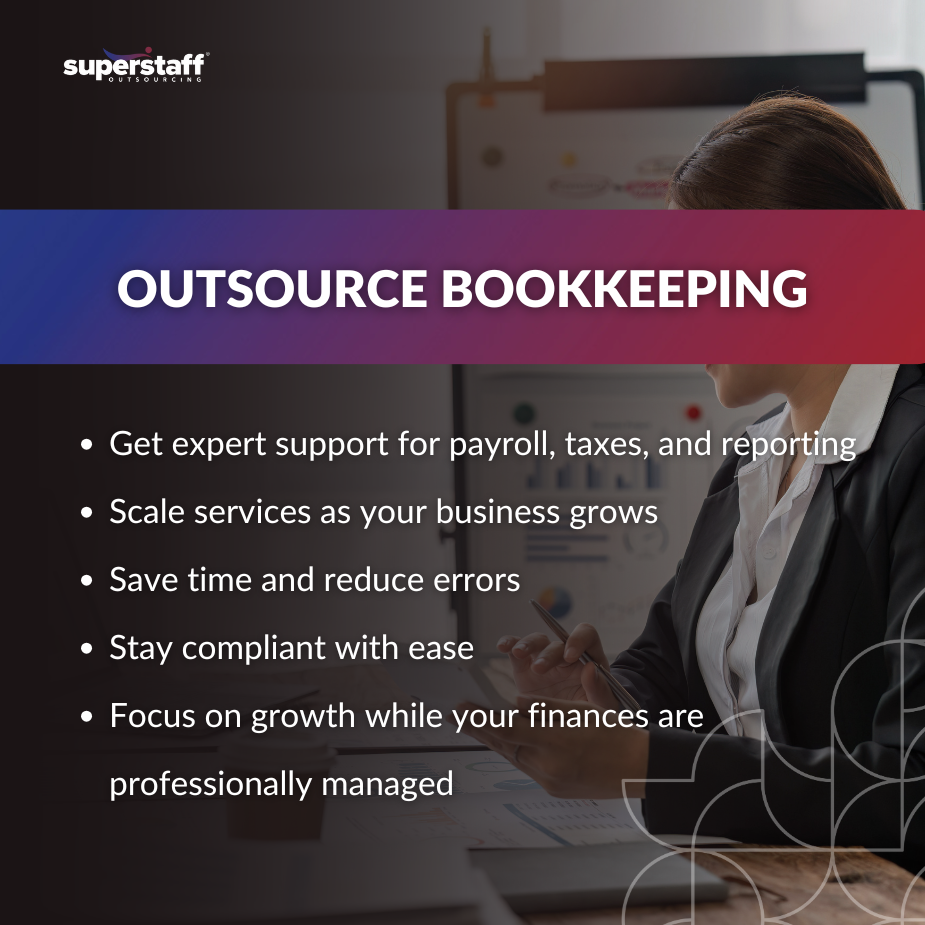
Outsourcing bookkeeping provides both immediate and long-term advantages. Understanding these benefits helps business owners make informed decisions.
1. Reduce Administrative and Operational Costs
Outsourcing bookkeeping eliminates the need to hire a full-time accounting team. Business owners save on salaries, benefits, and training expenses. Providers can handle tasks from transaction recording to payroll processing at a fraction of the cost of in-house staff.
2. Access Professional Expertise
Providers bring specialized knowledge in accounting standards, tax regulations, and financial reporting. This ensures accurate records and reduces the risk of errors. Expertise also helps optimize deductions and maintain compliance efficiently.
3. Ensure Timely Financial Reporting
Outsourced bookkeeping ensures that financial reports are prepared consistently and on schedule. Owners receive clear insights into cash flow, revenue, and expenses. Timely reporting supports informed decisions and smooth business planning.
4. Support Business Growth and Flexibility
Virtual bookkeeping solutions offer flexibility that grows with the business. Providers can adjust to seasonal demand, growth periods, or unexpected changes. This allows owners to focus on core operations without worrying about accounting delays.
5. Maintain Regulatory Compliance
Accurate bookkeeping prevents penalties from tax authorities and other regulators. Providers keep up to date with laws and standards, giving owners confidence that compliance is maintained professionally.
Common Challenges in Outsourced Bookkeeping
Outsourcing bookkeeping has advantages, but challenges arise if providers are not carefully selected. Awareness of these issues helps businesses avoid costly mistakes.
1. Data Security and Confidentiality
Financial information is sensitive. Providers must use secure systems and protocols to protect data. Weak security measures can result in breaches, financial loss, or reputational damage.
2. Communication Gaps
Misunderstandings between business owners and providers can delay work and affect reporting. Clear expectations, regular updates, and transparent communication prevent errors and ensure tasks are completed accurately.
3. Accuracy and Timeliness Issues
Errors in payroll, transactions, or tax filings can create financial and legal problems. Periodic audits and regular reviews help ensure bookkeeping remains accurate and reliable. Experienced providers reduce the likelihood of mistakes.
4. Limited Flexibility
Some providers struggle to adjust services during seasonal spikes or business growth. Choosing scalable services allows small businesses to maintain smooth operations regardless of workload changes.
5. Hidden Costs or Unclear Pricing
Unexpected fees reduce expected savings. Business owners should carefully review contracts and select providers with transparent pricing models. Clear agreements prevent surprises and improve financial planning.
Best Practices for Successful Bookkeeping Outsourcing
Following proven strategies ensures small businesses maximize the benefits of outsourcing bookkeeping while minimizing risks.
1. Choose Experienced Providers
Selecting providers with verified accounting expertise ensures compliance and accuracy. Providers experienced in bookkeeping outsourcing services can handle small business finances effectively, including tax preparation, payroll, and reporting.
2. Set Clear Service Agreements
Clearly define responsibilities, deliverables, and performance metrics. Agreements should include reporting timelines, audit procedures, and review processes. This prevents misunderstandings and maintains accountability.
3. Maintain Open Communication
Regular updates and progress checks improve accuracy and collaboration. Both parties should have accessible channels for questions and feedback. Frequent communication ensures that issues are addressed promptly.
4. Conduct Regular Audits
Periodic reviews of financial records and provider performance help identify errors early. Audits maintain high standards and verify compliance with accounting regulations.
5. Use Scalable and Transparent Services
Opt for providers that offer flexible service packages. Transparent pricing allows predictable costs and better budgeting. Scalable services ensure continuity as the business grows or encounters seasonal demand.
Long-Term Advantages of Outsourcing Bookkeeping
Consistent use of outsourced bookkeeping delivers measurable benefits for small businesses.
1. Cost Savings and Efficiency
Eliminating in-house staffing costs while reducing errors saves both money and time. Streamlined bookkeeping processes free owners to focus on core business activities.
2. Accurate and Compliant Reporting
Professional bookkeeping ensures reliable financial records. Businesses remain compliant with tax laws and accounting standards. Accurate reporting minimizes regulatory risks.
3. Enhanced Decision-Making
Timely and precise financial data support informed choices. Business owners can plan investments, expansions, and operational improvements with confidence.
4. Reduced Administrative Burden
Outsourcing bookkeeping handles day-to-day accounting tasks, allowing internal teams to focus on operations and customer service.
5. Scalability for Growth
Virtual bookkeeping solutions adapt to expanding operations. Outsourcing provides flexible support that grows with the business without disrupting workflow.
Outsource Bookkeeping for Reliable Finances
Partnering with the right provider improves accuracy, compliance, and operational efficiency. SuperStaff delivers dependable bookkeeping outsourcing services for small businesses. Their solutions are secure, scalable, and transparent, helping owners confidently outsource bookkeeping. Businesses benefit from timely financial reporting, clear cost structures, and support that adjusts to growth. Choosing SuperStaff allows owners to focus on running their business while ensuring their finances are managed efficiently.
Simplify Finances with Expert Bookkeeping Support
Outsourcing bookkeeping requires careful provider selection to avoid errors, hidden costs, and compliance risks. SuperStaff offers secure, accurate, and scalable solutions, enabling small businesses to reduce administrative burdens, maintain compliance, and access reliable financial insights. Partner with SuperStaff to outsource bookkeeping and ensure long-term business success, improved decision-making, and smoother operations.