Many companies want flexible outsourcing models that match how modern software services are delivered. Leaders no longer want long contracts, rigid seat counts, or large upfront commitments.
Instead, they prefer predictable pricing and scalable support that can grow with their operations. This shift has contributed to the emergence of BPO as a service in Colombia, a model that allows businesses to access outsourced teams through structured subscription arrangements.
For U.S. companies seeking operational efficiency, Colombia’s outsourcing sector is adapting quickly to this new demand.
Why Traditional Outsourcing Models Are Changing

Traditional outsourcing contracts often lock companies into fixed staffing structures. Many agreements require long commitments, large minimum teams, and slow adjustment cycles. This model worked when outsourcing focused mainly on cost reduction.
However, business conditions now change faster. Companies launch new products quickly. Customer demand shifts frequently. As a result, leaders prefer outsourcing models that allow them to adjust staffing levels without renegotiating contracts.
Subscription-based outsourcing helps address these needs. Through BPO as a service, companies gain access to operational support that can expand or contract based on demand.
This shift creates a more flexible partnership between businesses and their outsourcing providers.
What Subscription Style Outsourcing Means
Subscription-style outsourcing takes inspiration from software service models. Instead of purchasing fixed outsourcing contracts, companies subscribe to ongoing service capacity.
Under BPO as a service, organizations typically pay a monthly fee for access to skilled teams, infrastructure, and management support. The arrangement allows businesses to maintain operational continuity without managing hiring and training internally.
This model often includes services such as:
- Customer support teams
- Back-office processing
- Technical support
- Administrative services
- Data management tasks
Because services operate under a subscription structure, companies gain predictable cost planning and easier scaling.
This approach aligns well with how modern businesses manage other operational services.
Why Colombia Is Becoming a Strong Hub for This Model
Colombia has steadily gained attention as a strategic outsourcing destination. The country offers advantages that support subscription-based outsourcing arrangements.
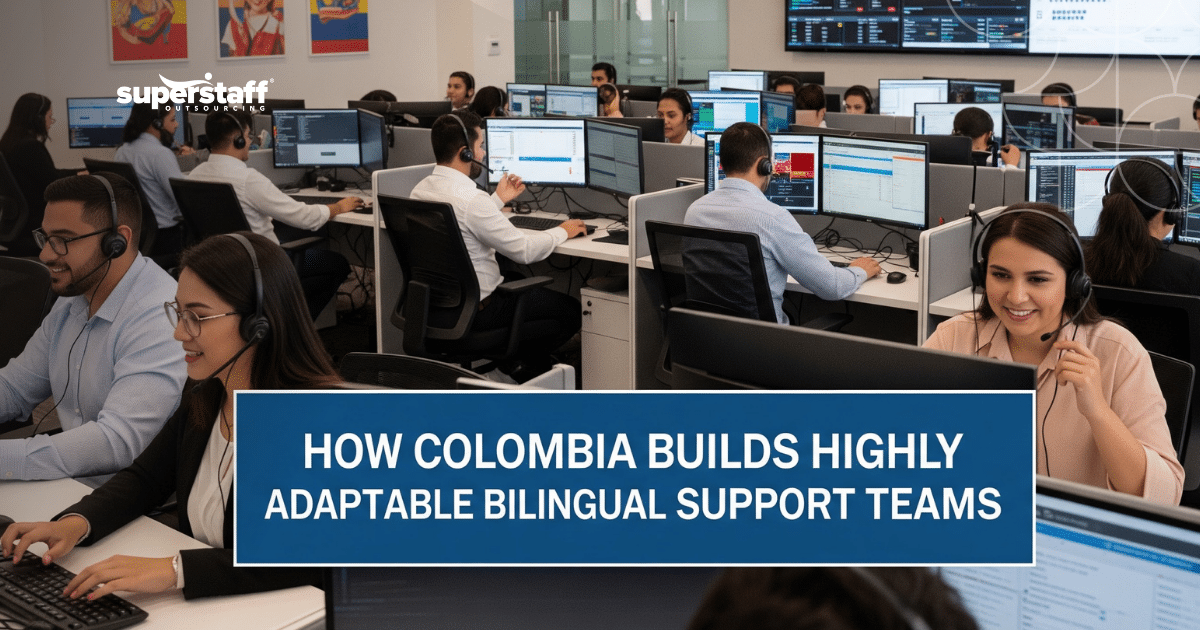
First, the workforce includes a growing number of bilingual professionals who support both English and Spanish customer interactions. This capability allows companies to manage North American and Latin American markets from one location.
Second, Colombia’s time zone aligns closely with U.S. business hours. Teams can operate during the same working day as their clients. This supports real-time collaboration and faster decision-making.
Third, infrastructure investments have strengthened Colombia’s outsourcing ecosystem. Technology parks, modern office facilities, and reliable connectivity allow providers to support complex operations.
These factors make the country well suited for flexible outsourcing models like BPO as a service.
Predictable Cost Structures for Business Leaders
C-suite leaders often evaluate outsourcing decisions through financial stability and budget planning. Subscription-based outsourcing offers clear advantages in this area.
With BPO as a service, companies pay structured monthly service fees. These costs usually include staffing, technology, management oversight, and operational support.
This structure allows leaders to forecast expenses more accurately. Instead of managing fluctuating hiring costs or infrastructure investments, organizations maintain a consistent service cost.
Finance teams also gain clearer visibility into operational spending. This helps CFOs align outsourcing investments with broader growth plans.
For growing companies, predictable cost management becomes a major benefit.
Operational Flexibility for Growing Companies
Companies rarely maintain the same staffing needs throughout the year. Seasonal spikes, product launches, and market expansion often require temporary increases in support capacity.
Subscription-based outsourcing supports these changes more smoothly.
Through BPO as a service, organizations can adjust service levels without rebuilding internal teams. Providers can increase staffing capacity or adjust workflows based on evolving needs.
Examples include:
- Expanding customer support during peak seasons
- Increasing back-office staff during compliance reporting periods
- Scaling technical support teams after product releases
This flexibility allows companies to respond faster to operational demands.
Businesses maintain agility while keeping operational continuity.
Faster Implementation Compared With Traditional Outsourcing
Traditional outsourcing agreements sometimes require long setup periods. Contract negotiations, hiring processes, and operational planning can delay deployment for months.
Subscription-based outsourcing reduces these delays.
Many providers already maintain trained teams and established systems. Companies can activate services quickly by subscribing to available support capacity.
Under BPO as a service, onboarding processes often focus on workflow integration and training rather than large-scale recruitment.
This speed benefits companies that need immediate operational support.
Faster implementation allows businesses to stabilize workloads quickly without disrupting existing teams.
The Role of Technology in Subscription-Based Outsourcing
Technology platforms play a major role in enabling subscription-style outsourcing. Providers often use cloud-based systems to manage workforce scheduling, performance tracking, and service delivery.
These tools allow clients to monitor operations more closely.
Companies may receive access to dashboards that show service metrics, productivity levels, and workflow status. This transparency strengthens trust between clients and outsourcing providers.
Through BPO as a service, businesses gain both operational support and digital visibility into performance.
Technology integration also allows outsourcing providers to maintain consistent service quality across distributed teams.
Strategic Benefits for U.S. SMEs and Midmarket Companies
Large enterprises have long used outsourcing as part of their operating model. However, smaller companies often struggled with traditional outsourcing contracts because of high minimum requirements.
Subscription-based outsourcing changes this dynamic.
Through BPO as a service, SMEs and midmarket companies can access experienced teams without committing to large-scale outsourcing programs.
Leaders gain operational advantages such as:
- Access to trained professionals
- Faster scaling capacity
- Reduced internal hiring pressure
- Lower operational overhead
These benefits allow growing companies to focus on their core products and services.
The model also supports gradual expansion. Businesses can start with smaller service packages and increase capacity as they grow.
How Outsourcing Providers Structure Subscription Services
Providers offering subscription-style outsourcing typically organize services into clear operational tiers. Each tier corresponds to a level of service capacity or specialization.
Common structures may include:
- Dedicated agent subscriptions
- Shared support team models
- Specialized service bundles
- Project-based operational packages
Through BPO as a service, clients can select the structure that aligns best with their operational priorities.
For example, companies that need consistent customer support may choose dedicated agents. Organizations with fluctuating workloads may prefer shared teams.
This flexibility allows companies to match outsourcing services with real business needs.
Why This Model Reflects the Future of Outsourcing
Outsourcing has evolved significantly over the past two decades. Early outsourcing models focused mainly on labor cost differences.
Today, companies expect outsourcing providers to deliver operational agility, skilled talent, and technology-enabled support.
Subscription-style outsourcing reflects these expectations.
BPO as a service allows organizations to treat outsourcing as a scalable business capability rather than a rigid contract.
Companies gain access to operational expertise while maintaining flexibility.
As more providers adopt this model, subscription-based outsourcing will likely become a standard option for global companies.
Flexible Outsourcing for a Changing Business Environment
Business leaders now prioritize flexibility, cost clarity, and rapid operational scaling. Traditional outsourcing models do not always support these needs.
The rise of BPO as a service in Colombia shows how outsourcing providers are adapting to modern business expectations. Subscription-based service structures allow companies to access skilled teams, adjust capacity, and maintain predictable operational costs.
For U.S. companies exploring outsourcing, flexible models open new possibilities for operational growth.
SuperStaff helps organizations build scalable support teams that align with modern outsourcing strategies. Whether businesses require customer support, back-office services, or specialized operational roles, the right outsourcing structure can create lasting efficiency.
Learn how SuperStaff can help your company build a flexible outsourcing strategy that supports long-term growth.