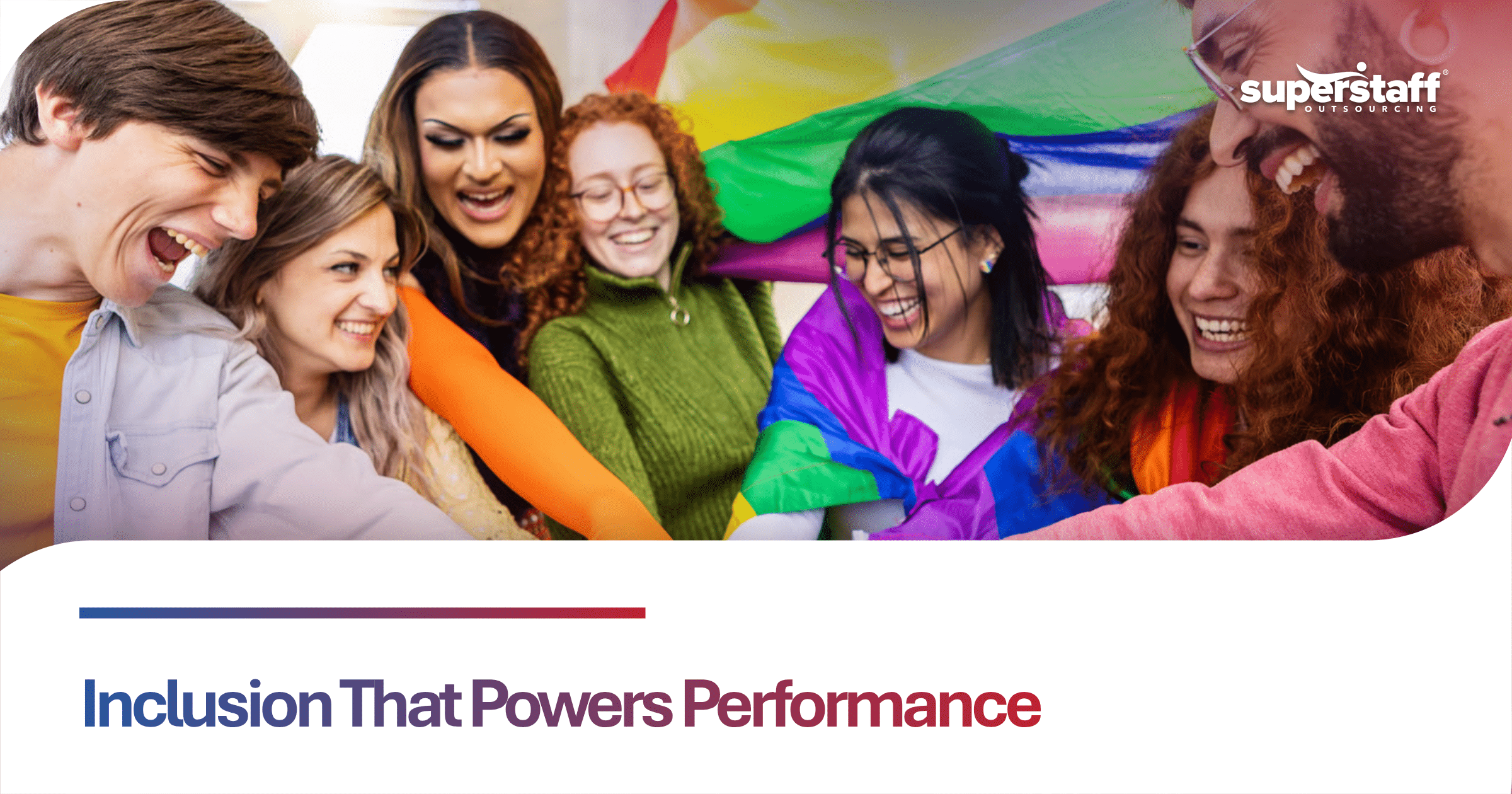
Every June, organizations around the world recognize pride month as an opportunity to celebrate diversity, reflect on workplace culture, and strengthen their commitment to inclusion. While the occasion is rooted in the history and advocacy of the LGBTQ+ community, it also serves as a valuable reminder that businesses thrive when people feel respected, supported, and empowered to contribute their best work.
For growing companies, workplace inclusion is more than a social responsibility initiative. It is a business priority that influences employee engagement, retention, collaboration, and employer reputation. As organizations compete for talent and navigate evolving workforce expectations, creating an environment where employees can succeed regardless of background becomes a strategic advantage.
Why Pride Month Matters to Modern Businesses
Many business leaders view pride month as a time for awareness campaigns, employee activities, and public statements of support. While these efforts have value, the greatest impact comes from integrating inclusion into everyday business practices.
Employees increasingly want to work for organizations that demonstrate fairness and respect. Clients and partners also pay attention to how companies treat their people. A workplace culture that promotes inclusion helps organizations build stronger teams and foster trust across departments.
During pride month, companies often evaluate their policies, benefits, hiring practices, and leadership approaches to ensure they align with their stated values. These assessments can reveal opportunities to improve employee experiences and strengthen organizational culture.
The Connection Between Pride Month and Business Performance
A positive workplace culture supports productivity and collaboration. Employees who feel accepted are more likely to contribute ideas, participate in discussions, and engage with their teams.
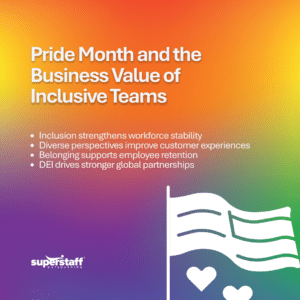
Pride month encourages leaders to examine whether every employee has equal opportunities for growth and advancement. When organizations create inclusive environments, they often benefit from:
- Higher employee engagement
- Stronger retention rates
- Improved teamwork and communication
- Greater innovation through diverse perspectives
- Enhanced employer branding
These outcomes are particularly important for businesses operating in competitive industries where attracting and retaining talent remains a top priority.
Understanding DEI in the Workplace
DEI in the workplace refers to diversity, equity, and inclusion initiatives that help organizations create fair and welcoming environments for all employees.
Diversity focuses on representation across backgrounds, experiences, and identities. Equity ensures employees have access to opportunities and resources needed for success. Inclusion creates a culture where people feel valued and heard.
Organizations that prioritize DEI in the workplace recognize that inclusion is not limited to recruitment efforts. It influences leadership development, performance management, communication strategies, employee benefits, and company culture.
Pride month often serves as a catalyst for deeper conversations about how these initiatives are implemented and measured throughout the year.
Moving Beyond Symbolic Support
Many organizations participate in pride month through visual campaigns or temporary initiatives. While visibility matters, employees increasingly expect meaningful action.
Effective inclusion efforts often include:
- Clear anti-discrimination policies
- Inclusive hiring and promotion practices
- Leadership accountability
- Employee resource groups
- Ongoing education and awareness programs
- Accessible reporting and feedback channels
These initiatives help organizations create sustainable change rather than limiting inclusion efforts to a single month.
Companies that invest in long-term inclusion strategies are often better positioned to build resilient teams and maintain employee trust.
How Inclusive Workplaces Support Outsourcing Success
As businesses expand globally, workplace culture becomes increasingly important across distributed teams. Organizations that outsource customer service, back-office support, and business processes want partners that share their values and commitment to employee well-being.
Pride month highlights the importance of partnering with service providers that foster inclusive work environments. A workforce that feels respected and supported is more likely to deliver consistent service quality and positive customer experiences.
When evaluating outsourcing providers, decision-makers often consider factors such as:
- Employee engagement programs
- Workplace culture
- Leadership practices
- Talent retention efforts
- Diversity and inclusion initiatives
These elements directly influence team stability and operational performance.
SuperStaff’s Commitment to Inclusion
At SuperStaff, inclusion is embedded in the company culture. The organization recognizes that diverse perspectives strengthen collaboration, improve problem-solving, and contribute to better outcomes for clients and employees alike.
Throughout pride month and beyond, SuperStaff supports initiatives that promote respect, fairness, and equal opportunity across the workplace. The company fosters an environment where employees can contribute confidently and grow professionally regardless of their background or identity.
This commitment extends to hiring practices, employee development programs, workplace policies, and leadership engagement. The goal is to create a culture where every team member feels valued and equipped to succeed.
For clients, this approach contributes to a more engaged workforce that can deliver exceptional service and represent their brands professionally.
Building Inclusive Teams for the Future
The conversation around pride month continues to evolve as organizations recognize the connection between workplace culture and business performance.
Business leaders who prioritize inclusion position their organizations for long-term success. They create environments where employees are motivated to contribute, collaborate, and innovate. They also strengthen their ability to attract talent and build meaningful relationships with customers and stakeholders.
As workforce expectations continue to change, companies that embrace inclusion will be better prepared to navigate future challenges and opportunities.
Conclusion
Pride Month offers businesses an opportunity to reflect on how workplace culture shapes employee experiences and organizational performance. Companies that invest in workplace diversity equity and inclusion, respect, and fairness create stronger teams and more sustainable growth.
SuperStaff believes that a diverse and inclusive workforce is essential to delivering exceptional results for clients. As part of its DEI corporate strategy, SuperStaff joins Love Laban through its annual SuperBahaghari initiative, with this year’s Pride March happening on June 27, 2026, at UP Diliman. Through initiatives like this, along with policies and inclusive employee benefits that support people from different backgrounds, the company continues to celebrate inclusion not only during Pride Month but throughout the year.
If your organization is looking for an outsourcing partner that values people, fosters engagement, and supports high-performing teams, explore SuperStaff’s services and discover how our people-first approach can help your business grow.