
Managing a few properties may seem simple at first. However, as a real estate portfolio grows, daily tasks quickly multiply. Property managers and real estate investors often spend hours answering tenant inquiries, scheduling maintenance, processing paperwork, and keeping records updated. As a result, administrative work can take time away from business growth.
This is why many real estate professionals now rely on a property management virtual assistant. With the right support, property owners can stay organized, improve tenant communication, and handle more properties without adding unnecessary overhead costs. Furthermore, virtual assistants help businesses maintain consistent operations while allowing teams to focus on higher-value responsibilities.
How Virtual Assistants Support Property Management Operations
As portfolios expand, property management teams need reliable systems and support. A virtual assistant can handle routine tasks that keep operations running smoothly.
1. Managing Tenant Communication
Tenant inquiries arrive throughout the day. Therefore, responding quickly becomes difficult when property managers handle multiple properties.
A virtual assistant can:
- Answer common tenant questions
- Respond to emails and messages
- Follow up on maintenance requests
- Schedule appointments and property viewings
As a result, tenants receive faster responses while managers maintain better communication.
2. Coordinating Maintenance Requests
Property maintenance requires constant attention. However, tracking every repair request manually can create delays.
A virtual assistant can organize maintenance tickets, contact vendors, schedule repairs, and monitor progress. Consequently, issues get resolved faster and tenants experience fewer disruptions.
3. Keeping Property Records Organized
Property management generates a large amount of documentation. Lease agreements, inspection reports, invoices, and tenant records all require proper organization.
By maintaining digital records and updating databases regularly, a virtual assistant helps reduce errors and improve accessibility. In addition, managers can retrieve important information whenever needed.
4. Handling Administrative Tasks
Administrative work often consumes a significant portion of a property manager’s day. While these tasks are necessary, they rarely contribute directly to growth.
Common tasks include:
- Data entry
- Calendar management
- Appointment scheduling
- Document preparation
- Filing and recordkeeping
Therefore, delegating these responsibilities allows managers to focus on strategic priorities.
5. Supporting Lease Management
Lease renewals and expiration tracking require careful monitoring. Missing important dates can create unnecessary complications.
A virtual assistant can send reminders, prepare renewal documents, and maintain lease tracking systems. As a result, property managers stay ahead of important deadlines.
Why Growing Portfolios Need Additional Support
Growth creates opportunities, but it also increases operational demands. Therefore, real estate businesses must find ways to scale efficiently.
1. More Properties Mean More Tasks
Every new property adds tenants, maintenance requests, paperwork, and reporting requirements.
Without additional support, workloads can quickly become overwhelming. Consequently, a property management virtual assistant helps teams manage increasing responsibilities without sacrificing service quality.
2. Faster Response Times Improve Tenant Satisfaction
Tenants expect timely communication. When messages go unanswered, dissatisfaction often follows.
A virtual assistant can monitor communication channels and provide prompt responses. As a result, tenants feel supported and valued.
3. Better Organization Reduces Mistakes
Managing multiple properties often involves tracking hundreds of details. Missing a payment, inspection date, or maintenance request can create costly problems.
With organized systems and consistent monitoring, virtual assistants help reduce errors. Additionally, they ensure important information remains accurate and accessible.
4. Cost-Effective Operational Support
Hiring full-time in-house staff may not always be practical. Salaries, benefits, office space, and equipment add significant expenses.
A virtual assistant offers flexible support while helping businesses manage costs. Therefore, companies can access skilled assistance without increasing overhead dramatically.
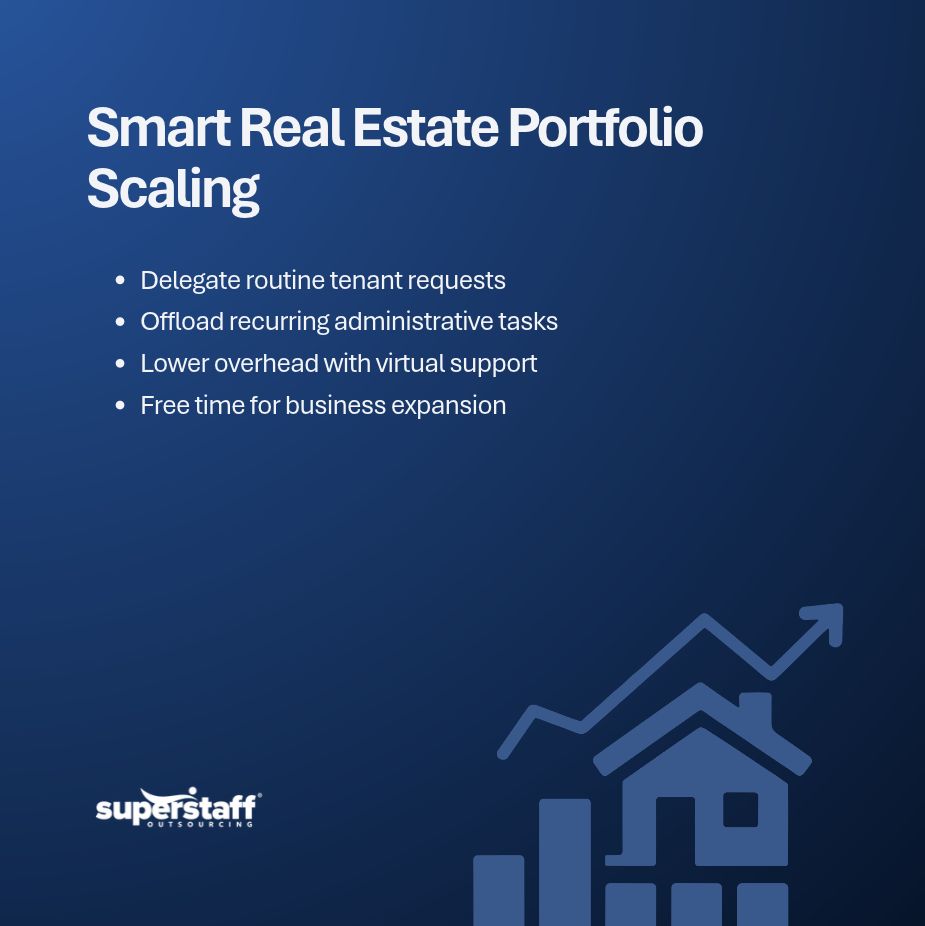
5. More Time for Business Growth
Property managers often spend their days reacting to operational issues. However, growth requires planning, networking, and portfolio development.
By delegating routine responsibilities, managers gain more time to pursue new investment opportunities and strengthen client relationships.
Key Tasks a Property Management Virtual Assistant Can Handle
The value of virtual support extends across many areas of property management. Businesses can customize support based on their needs.
1. Marketing and Listing Management
Property listings require regular updates to remain competitive.
A virtual assistant can:
- Upload listings
- Update property descriptions
- Monitor listing platforms
- Respond to inquiries
As a result, vacancies can be marketed more effectively.
2. Vendor Coordination
Property managers often work with contractors, cleaners, landscapers, and maintenance providers.
A property management virtual assistant can communicate with vendors, schedule services, and track project completion. Therefore, managers spend less time coordinating routine activities.
3. Financial Tracking Support
Accurate financial records support better decision-making.
While virtual assistants do not replace accountants, they can assist with:
- Invoice tracking
- Payment monitoring
- Expense recording
- Report preparation
Consequently, financial information remains organized and easier to review.
4. Inspection Scheduling
Property inspections play an important role in maintaining property standards.
Virtual assistants can schedule inspections, send reminders, and organize inspection reports. As a result, managers maintain better oversight across multiple properties.
5. Reporting and Data Management
Real estate businesses rely on accurate reporting to monitor performance.
Virtual assistants can collect information, update spreadsheets, and prepare reports for management review. Furthermore, organized data helps support smarter business decisions.
Build Stronger Real Estate Operations with Expert Support
Growing a real estate portfolio requires consistent attention to tenants, properties, vendors, and administrative processes. However, handling every task internally can limit productivity and slow expansion efforts. A property management virtual assistant provides reliable support that helps businesses stay organized, responsive, and efficient.
SuperStaff helps real estate companies access skilled virtual professionals who can support property management operations and administrative functions. If you’re ready to improve efficiency and scale your business with a property management virtual assistant, send us a message today and discover how the right support can help your portfolio grow.