Running an online store involves much more than selling products. Teams must answer customer questions, process orders, update product listings, track inventory, and manage returns. These tasks may be easy to handle when a business is small, but they can become difficult as sales and customer inquiries increase.
This is where bpo for ecommerce solutions can help. By outsourcing selected business functions, online stores can get additional support without having to build a large internal team. This allows employees to spend more time on sales, marketing, and product development while trained professionals handle daily tasks.
With the right support, businesses can manage higher order volumes, respond to customers faster, and keep operations organized as they grow.
Why Online Stores Turn to BPO for Ecommerce Solutions
As an online store gains customers, its workload usually increases. More orders mean more tracking requests, product questions, payment concerns, and returns. Without enough support, these tasks can slow down operations and affect the customer experience.
Here are some common reasons businesses consider outsourcing:
1. Managing Customer Support
Customers expect quick answers before and after making a purchase. However, maintaining a large in-house support team can be costly, especially when inquiries arrive outside regular business hours.
Outsourced agents can handle product questions, order updates, refund requests, and other concerns. They can also provide support through phone, email, live chat, and social media.
2. Handling Seasonal Demand
Holiday promotions, major sales events, and product launches can bring sudden increases in orders and customer inquiries. An internal team may struggle to keep up with these changes.
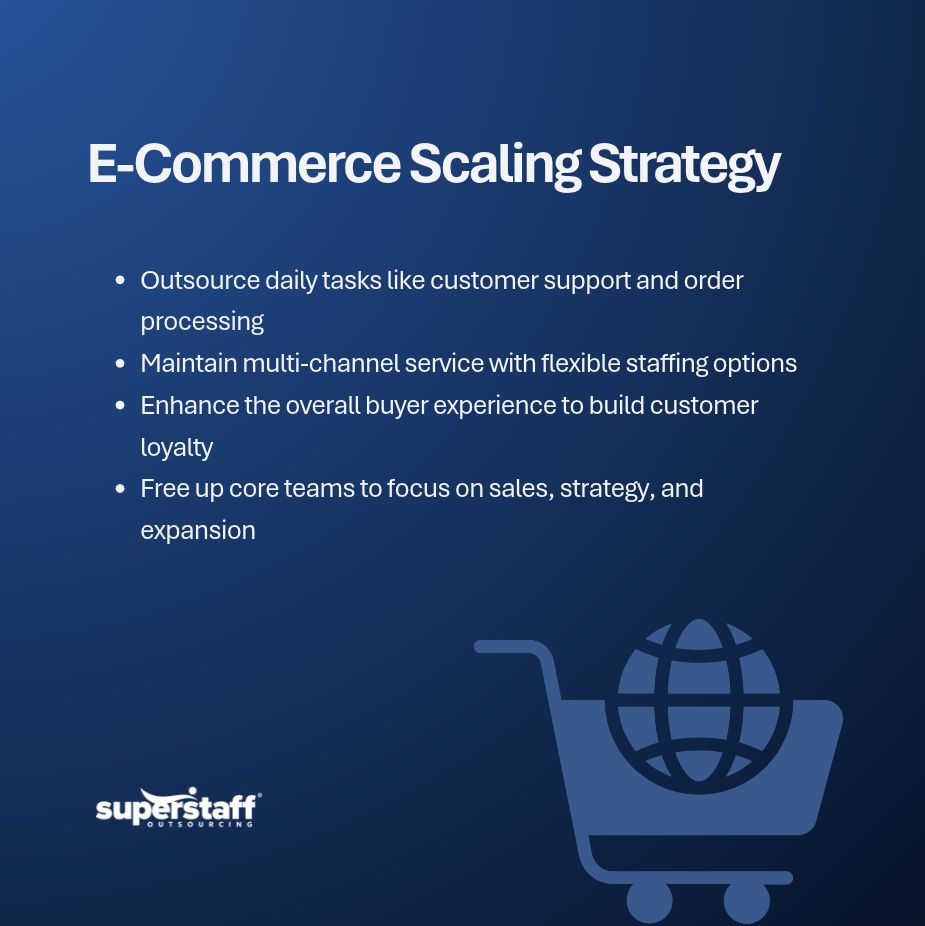
Outsourcing gives businesses access to additional staff when demand increases. This helps online stores maintain service levels without hiring permanent employees for short-term needs.
3. Managing Operating Costs
Hiring and training employees require time and money. Businesses also need to provide equipment, software, office space, and other resources.
Outsourcing allows companies to assign specific tasks to an external team. This can help control staffing expenses and free up funds for inventory, marketing, and other growth plans.
4. Improving Response Times
Customers may lose interest when they have to wait too long for an answer. Dedicated support agents can help manage incoming inquiries and reduce backlogs.
A study by Radial and CFI Group found that 43% of shoppers were more likely to buy from retailers that offered online chat. The research highlights how customer service and delivery experiences affect online shoppers.
5. Supporting Multiple Communication Channels
Customers use different channels to contact online stores. Some prefer email, while others use live chat, phone calls, or social media messages.
An outsourced team can help manage these channels and keep responses consistent. This makes it easier for customers to get assistance through the method they prefer.
Key Services Included in BPO for Ecommerce Solutions
E-commerce outsourcing can cover several functions, depending on the company’s needs. Some businesses start with customer service, while others need help with order processing, product data, and administrative work.
1. Customer Service Support
Customer service is one of the most common functions online stores outsource. Agents can assist with:
- Product and pricing questions
- Shipping and delivery updates
- Refund and exchange requests
- Order status inquiries
- Account and payment concerns
With dedicated support, customers can receive assistance throughout the buying process.
2. Order Processing and Tracking
As order volumes increase, accurate processing becomes more important. Outsourced teams can help verify order details, update order statuses, track shipments, and coordinate with fulfillment teams.
These tasks help businesses keep records organized and give customers clearer updates about their purchases.
3. Product Listing Management
Online stores need accurate product information to help customers make informed decisions. Outsourced staff can update product descriptions, prices, images, inventory details, and marketplace listings.
Regular updates also help prevent confusion caused by outdated prices or incorrect product information.
4. Data Entry and Administrative Support
E-commerce operations involve a large amount of information. Businesses may outsource tasks such as data entry, inventory updates, report preparation, database maintenance, and document management.
This gives internal employees more time to focus on business decisions and customer growth.
5. Returns and Refund Management
Returns are a normal part of online retail. However, handling requests can take time, especially when customers need updates at different stages of the process.
Outsourced agents can review requests, explain return procedures, update records, and coordinate with the appropriate departments. This helps businesses keep customers informed while managing the workload.
How Outsourcing Supports Faster E-Commerce Growth
Higher sales do not always lead to better business performance. Companies also need enough people and reliable processes to handle the additional work.
1. Gives Business Owners More Time
Business owners can spend hours answering inquiries, checking orders, and reviewing administrative records. These tasks are necessary, but they can take attention away from planning and growth.
By assigning routine responsibilities to an external team, leaders can focus on marketing, product development, partnerships, and customer acquisition.
2. Provides Access to Experienced Staff
Recruiting and training employees can delay business operations. Outsourcing providers can help businesses access professionals with experience in customer service, order management, and other e-commerce functions.
This can make it easier to build a support team without managing every part of recruitment internally.
3. Makes Staffing More Flexible
Sales and customer activity do not always stay at the same level. Some months may be busy, while others may bring fewer orders.
With bpo for ecommerce solutions, businesses can adjust their support needs based on demand. This helps them manage workload changes without maintaining an oversized team.
4. Helps Improve Customer Retention
A good customer experience can encourage repeat purchases. When customers receive helpful answers, accurate order updates, and timely assistance, they have more reason to trust the brand.
Outsourced support teams can help maintain consistent communication and resolve common concerns before they affect customer relationships.
5. Supports Expansion Into New Markets
Selling to customers in other regions can bring new support requirements. Businesses may need extended operating hours, multilingual assistance, and better coordination across different time zones.
An outsourcing partner can help provide this coverage without requiring the company to establish a separate support team in every market.
For a closer look at how external teams support online retail operations, this guide to e-commerce customer support outsourcing covers customer service, order fulfillment, inventory management, and other tasks businesses may assign to outside teams.
What to Look for in an E-Commerce Outsourcing Partner
Choosing a provider requires more than comparing service rates. Businesses should find a partner that understands their operations and can meet their service requirements.
1. Relevant Industry Experience
Look for a provider that has worked with online retailers or businesses with similar operations. Familiarity with e-commerce platforms, order processes, and customer concerns can make onboarding easier.
2. Proper Training and Quality Checks
Agents should understand product details, company policies, and customer service procedures. Ask how the provider trains its staff and reviews their work.
3. Flexible Staffing Options
Choose a partner that can adjust team size as order volumes and customer inquiries change. This is especially useful during promotions and seasonal sales.
4. Clear Reporting
Regular reports help businesses track response times, order processing accuracy, customer feedback, and other performance measures. These details make it easier to identify problems and improve workflows.
5. Data Security
E-commerce teams may handle customer names, contact details, order records, and other private information. Make sure the provider follows clear data protection procedures and limits access to authorized staff.
Keep E-Commerce Operations Organized as You Grow
Outsourcing works best when each role has clear responsibilities. Before assigning tasks to an external team, businesses should review their current processes and identify where support is needed most.
Start by listing tasks that take up too much time or create delays. Then decide which responsibilities can be handled through written procedures and clear performance targets. This gives the provider a better understanding of the work and helps both teams measure results.
Businesses can also review the arrangement regularly. As order volumes change, they may need additional customer service agents, more help with product listings, or added support for order administration.
E-Commerce Support for Growing Online Stores
Businesses that need help with customer inquiries, order management, and product information can consider e-commerce outsourcing support. A dedicated team can handle selected tasks based on the store’s workload, systems, and customer service requirements.
The right support setup can help online retailers manage daily operations while keeping internal teams focused on business priorities. Companies can start with a few functions and expand the arrangement as their needs change.
Measure Results and Improve Your Processes
Outsourcing should support clear business goals. Companies can track performance through customer response times, order processing accuracy, return handling, and customer satisfaction.
Regular reviews help identify which tasks are running smoothly and which need changes. For example, a high number of repeat inquiries may point to unclear product information or gaps in the website’s FAQs. Slow order updates may show that the support team needs better access to tracking information.
Using these findings helps businesses improve their processes and get more value from their outsourcing arrangement.
Scale Your Online Store with the Right Support
Growing an online store brings more orders, customer inquiries, and administrative work. Without enough support, these responsibilities can slow down operations and take time away from business development.
BPO for ecommerce solutions helps businesses manage these tasks through dedicated support for customer service, order processing, product listings, data entry, and other functions. With clear responsibilities and the right provider, online stores can handle more work while keeping service quality consistent.
SuperStaff helps online businesses manage customer service and back-office responsibilities through flexible outsourcing solutions. Whether you need help with customer inquiries, order management, or administrative tasks, our team can support your daily operations as your business grows.
Contact SuperStaff to discuss your e-commerce support needs and find a solution that fits your business goals.