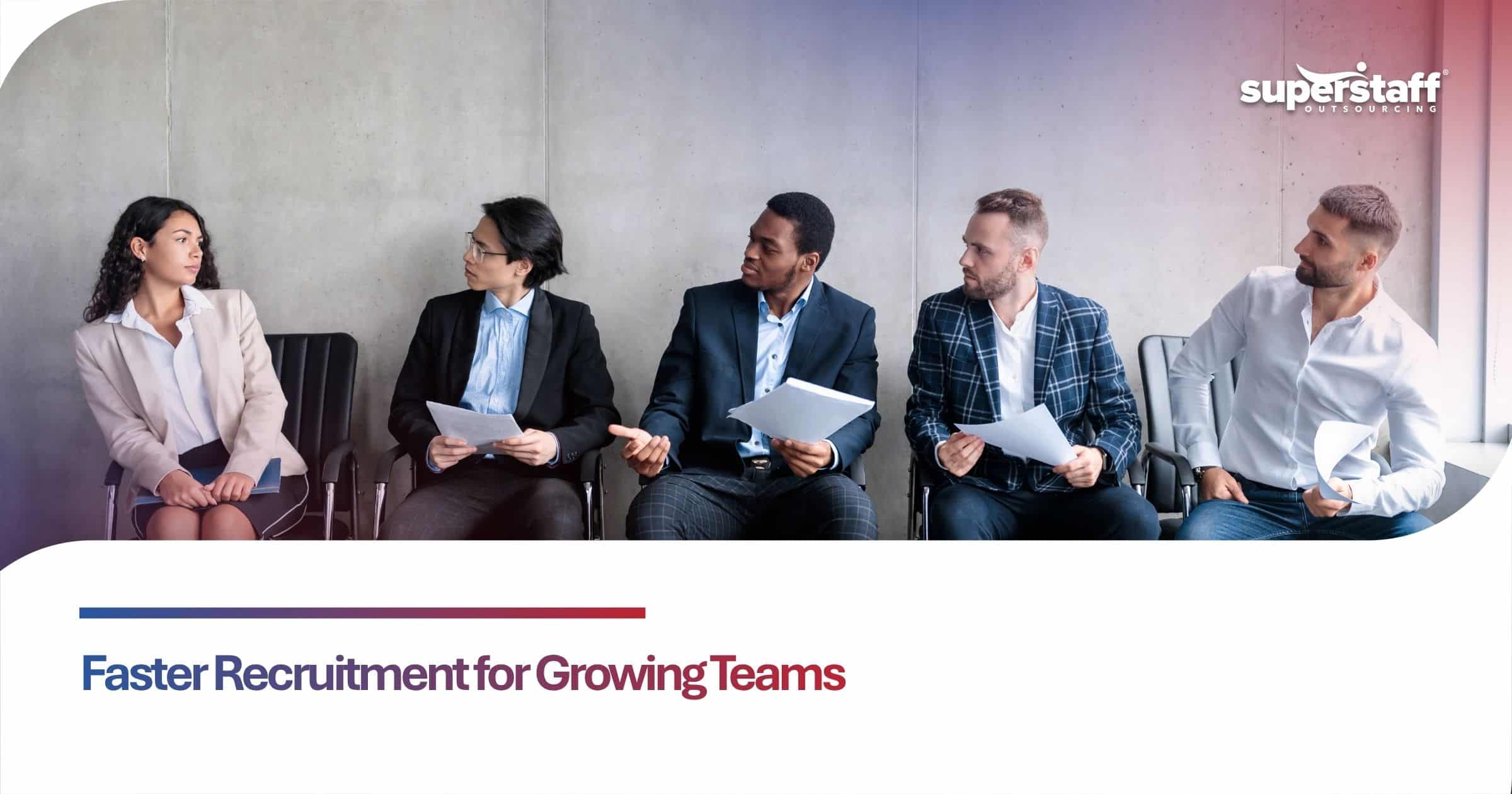
Growth often creates new hiring challenges. A successful product launch, business expansion, seasonal demand, or new client acquisition can quickly increase workforce requirements. While growth is positive, many companies struggle to keep up with recruitment demands. Internal HR teams may find it difficult to manage hundreds of applications, schedule interviews, and fill positions within tight deadlines. This is where high-volume hiring solutions become essential.
When hiring needs increase rapidly, delays can affect productivity, customer service, and revenue goals. Therefore, organizations need a structured approach that helps them recruit efficiently without sacrificing candidate quality. Recruitment Process Outsourcing (RPO) services provide the expertise, technology, and resources companies need to handle large-scale recruitment demands. By implementing effective high-volume hiring solutions, businesses can maintain momentum and secure the talent they need to support continued growth.
Why Hiring Surges Create Recruitment Challenges
Hiring spikes often arrive with little warning. As a result, companies may struggle to scale their recruitment efforts quickly enough. What works for filling a few vacancies may not be enough when an organization suddenly needs dozens or hundreds of employees.
1. Internal Teams Have Limited Capacity
Most HR and recruitment teams operate based on normal hiring volumes. However, sudden workforce demands can overwhelm existing resources.
Recruiters may struggle to review applications, conduct screenings, and coordinate interviews. Consequently, hiring timelines become longer.
2. Candidate Experience Can Suffer
A slow hiring process often frustrates candidates. If communication becomes inconsistent, applicants may lose interest in available positions.
Furthermore, top candidates frequently receive multiple offers. Therefore, delays can result in losing qualified talent to competitors.
3. Open Positions Affect Productivity
Every unfilled role places additional pressure on existing employees. Teams may need to absorb extra responsibilities while waiting for new hires.
As workloads increase, employee morale and productivity may decline. Consequently, staffing shortages can affect overall business performance.
4. Recruitment Costs Can Increase
Hiring surges often require additional advertising, recruiter hours, and administrative support. As a result, recruitment expenses may rise significantly.
Without a structured hiring strategy, companies may spend more while achieving fewer results.
5. Quality Can Decline Under Pressure
When organizations rush to fill vacancies, they may overlook important evaluation steps. This can lead to poor hiring decisions.
Therefore, maintaining quality while hiring quickly becomes one of the biggest recruitment challenges.
The HR.com State of High-Volume and Hourly Hiring 2024 report identifies time-to-fill, retention, and quality of hire as important measures of recruitment performance. These findings reinforce the need to balance hiring speed with candidate quality. Businesses can review the high-volume hiring research report when evaluating their recruitment strategies.
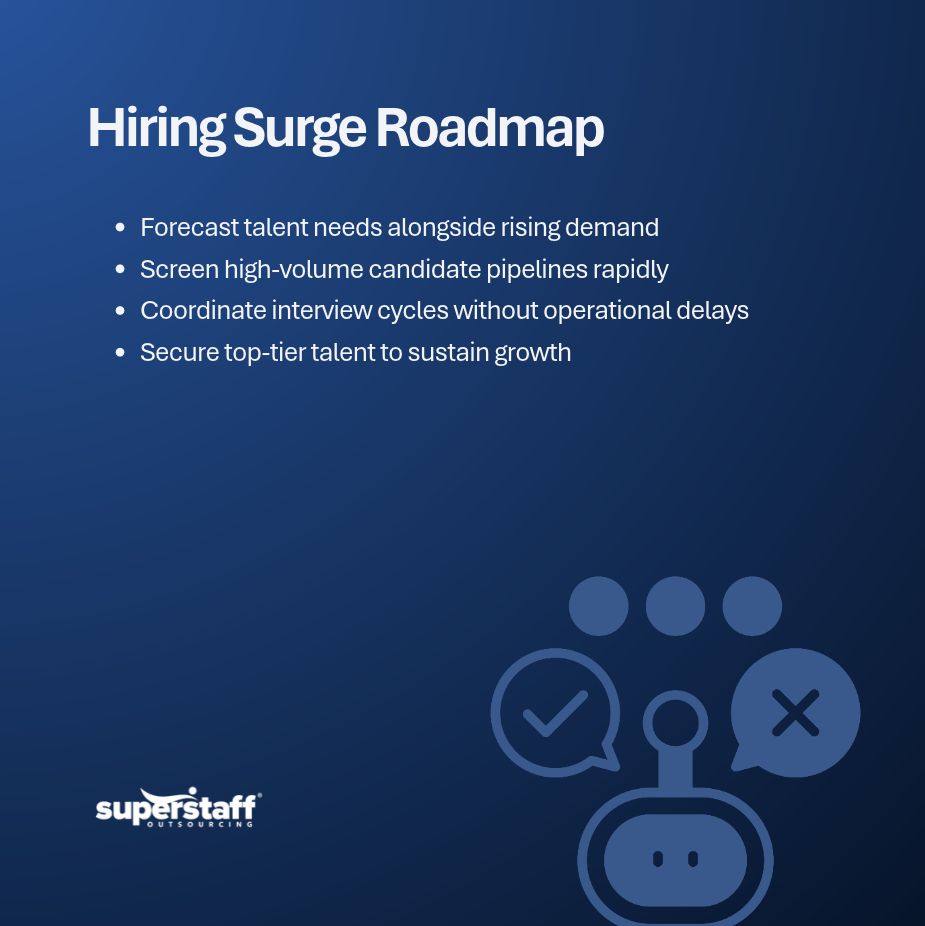
How RPO Services Support High-Volume Hiring Solutions
RPO providers help organizations manage recruitment at scale. They offer specialized support that improves efficiency throughout the hiring process while allowing internal HR teams to focus on other responsibilities.
1. Dedicated Recruitment Resources
RPO providers supply experienced recruiters who focus on hiring needs. As a result, companies gain immediate access to additional recruitment capacity.
This support helps organizations process large applicant volumes without overwhelming internal teams.
2. Streamlined Candidate Screening
Reviewing hundreds of resumes takes considerable time. Therefore, RPO teams use structured screening processes to identify qualified candidates quickly.
By narrowing applicant pools efficiently, recruiters can focus on the strongest prospects.
3. Faster Hiring Workflows
Recruitment delays often occur when processes lack coordination. RPO providers establish clear workflows that keep hiring activities moving forward.
Consequently, businesses can reduce time-to-fill metrics while improving recruitment outcomes.
4. Access to Recruitment Technology
Many RPO providers utilize applicant tracking systems and recruitment tools that improve hiring efficiency.
These technologies help manage applications, monitor candidate progress, and support high-volume hiring solutions more effectively.
5. Consistent Candidate Communication
Strong communication improves the candidate experience. Therefore, RPO teams maintain regular contact with applicants throughout the recruitment process.
This approach helps organizations build positive employer reputations while reducing candidate drop-off rates.
Key Benefits of RPO During Hiring Surges
Beyond filling positions quickly, RPO services offer several advantages that support long-term workforce growth.
1. Greater Hiring Flexibility
Recruitment needs often fluctuate throughout the year. Some businesses experience seasonal demand, while others encounter project-based hiring spikes.
RPO services provide scalable support that adjusts according to changing workforce requirements.
2. Improved Hiring Quality
Although speed matters, quality remains equally important. Therefore, RPO providers maintain structured assessment processes during recruitment campaigns.
This balance helps companies secure qualified candidates while meeting hiring deadlines.
3. Better Workforce Planning
RPO providers often analyze hiring trends and workforce data. Consequently, businesses gain valuable insights that support future recruitment planning.
These insights help organizations prepare for future growth opportunities.
4. Reduced Administrative Burden
Recruitment involves scheduling, documentation, reporting, and applicant communication. These activities consume significant time and resources.
By outsourcing recruitment functions, internal teams can focus on employee engagement, training, and strategic initiatives.
5. Stronger Employer Branding
Candidates often form opinions about a company based on the hiring process. A smooth recruitment experience creates positive impressions.
Therefore, professional recruitment support contributes to stronger employer branding and talent attraction.
Companies that want to understand how RPO handles large recruitment campaigns can review SuperStaff’s guide to recruitment process outsourcing. It explains how dedicated recruitment teams support volume hiring, candidate screening, and recruitment planning.
Building an Effective High-Volume Hiring Strategy
Successful hiring campaigns require more than simply increasing recruiter activity. Organizations must develop a structured approach that supports both speed and quality.
Consider these important elements:
- Clearly defined hiring goals
- Standardized screening processes
- Consistent interview procedures
- Strong candidate communication
- Recruitment performance tracking
- Scalable workforce planning
Additionally, collaboration between business leaders and recruitment teams remains essential. When hiring goals align with operational objectives, organizations can make better workforce decisions.
Companies should also review recruitment metrics regularly. Monitoring performance helps identify bottlenecks and opportunities for improvement.
Most importantly, businesses should invest in high-volume hiring solutions before staffing shortages become urgent. Proactive planning often produces better outcomes than reactive hiring.
Common Signs You Need RPO Support
Organizations often wait until recruitment challenges become severe before seeking external assistance. However, several warning signs indicate that additional support may be beneficial.
These include:
- Growing candidate backlogs
- Increasing time-to-fill rates
- Missed hiring deadlines
- High recruiter workloads
- Frequent candidate drop-offs
- Ongoing staffing shortages
If these issues continue, they can affect productivity and growth plans. Therefore, addressing recruitment challenges early can prevent larger operational problems.
Businesses experiencing these challenges can also consider outsourced recruitment solutions for growing companies. External recruitment specialists can help manage sourcing, screening, and hiring coordination when internal teams no longer have enough capacity.
Keep Recruitment Quality Consistent During Growth
A large recruitment campaign should not mean lowering candidate standards. Companies should define the qualifications, experience, and skills required for each position before the campaign begins.
It also helps to establish clear interview criteria and feedback schedules. Hiring managers should know what to look for and how quickly they need to respond to shortlisted candidates.
Regular communication between recruiters and department leaders makes it easier to address hiring issues. This keeps the process organized and reduces the risk of selecting candidates simply to meet a deadline.
RPO Support for High-Volume Recruitment
Companies that need additional hiring capacity can work with a dedicated RPO provider. SuperStaff’s Recruitment Process Outsourcing services help businesses manage candidate sourcing, screening, interview coordination, and onboarding support.
Whether an organization needs to fill several positions or manage a large recruitment campaign, an RPO arrangement can provide flexible hiring support based on workforce requirements.
Measure Recruitment Performance After Each Campaign
Once a hiring campaign is complete, companies should review the results to identify what worked and what needs improvement.
Useful measures include time-to-fill, cost-per-hire, candidate acceptance rates, quality of hire, and new-hire retention. These figures help businesses determine whether their recruitment approach is meeting both immediate staffing needs and long-term workforce goals.
Reviewing these results also helps companies prepare for future hiring surges. Instead of starting from scratch, they can use previous recruitment data to improve planning and resource allocation.
Scale Recruitment Without Sacrificing Quality
Rapid growth creates exciting opportunities, but it also increases hiring demands. Without the right support, companies may struggle to fill positions quickly while maintaining recruitment quality. This is why many organizations turn to high-volume hiring solutions that provide structure, scalability, and efficiency.
RPO services help businesses manage hiring surges through dedicated recruitment expertise, streamlined processes, and flexible workforce support. As hiring demands continue to evolve, organizations need solutions that allow them to respond quickly without overwhelming internal teams.
SuperStaff provides recruitment support designed to help businesses attract and hire talent efficiently. If your company needs reliable high-volume hiring solutions to support growth, contact SuperStaff to discuss your recruitment needs and find the right support for your next hiring campaign.