Finding skilled talent has become a race against time. Qualified professionals often receive several job offers and may decide within days. Businesses that take too long to respond risk losing strong candidates before interviews are complete, contracts are prepared, or employment requirements are met. Each delay can affect hiring plans and business growth.
This shorter hiring window is pushing companies to rethink how they recruit internationally. Setting up a legal entity in another country can take time, while managing local employment rules adds more work for HR teams. Employer of Record (EOR) solutions offer another option. They help companies hire in supported markets without first establishing a local entity, making it easier to move forward with qualified candidates.
Why Speed Matters in Global Hiring
Moving quickly does not mean lowering hiring standards. It means removing unnecessary steps and making decisions within a reasonable time. Companies that communicate clearly and keep their recruitment process organized have a better chance of securing the people they need.
A 2025 talent acquisition report from HireRight identified finding qualified candidates, candidate ghosting, and applicants receiving multiple offers as major recruitment challenges. These findings show why companies need to keep their hiring processes responsive. HireRight’s Global Benchmark Report provides further insight into the challenges employers face when recruiting talent.
1. Skilled Candidates Have Other Options
Experienced professionals are often considering several opportunities at once. They may compare salary, benefits, career growth, and how quickly each employer responds.
When one company takes too long to provide updates or make an offer, a candidate may accept another opportunity. Prompt communication helps keep qualified applicants interested throughout the process.
2. Long Hiring Processes Increase Costs
Every additional interview, approval, and scheduling delay requires time from recruiters and hiring managers. When a position remains open, existing employees may also need to take on extra work.
A more organized process can reduce repeated tasks, shorten waiting periods, and help teams manage recruitment costs.
3. Entering a New Market Requires Preparation
Hiring in another country involves more than finding the right person. Businesses must also consider employment contracts, payroll, local regulations, required contributions, and onboarding.
Companies that do not prepare for these requirements may face delays even after finding a suitable candidate.
4. Competitors Are Looking for the Same Talent
Businesses often compete for professionals with similar skills and experience. A company that responds quickly, explains the role clearly, and provides a reasonable hiring timeline can stand out from other employers.
A slow process may cause candidates to lose interest before the company reaches a final decision.
Where Global Hiring Delays Often Begin
Some delays happen during recruitment, while others occur after a candidate accepts an offer. For example, a company may complete interviews quickly but still need several weeks to prepare employment documents or arrange payroll in a new country.
These tasks can become harder when the business has no local HR team or legal entity. Without a clear process, hiring managers may need to coordinate with multiple departments before a new employee can start.
Companies should identify these possible delays early. Knowing which steps take the most time makes it easier to decide where outside support may help.
How Employer of Record Solutions Help Companies Move Faster
An Employer of Record provider acts as the legal employer of a worker in a supported country. The provider manages agreed employment responsibilities, while the client company directs the employee’s daily work and performance.
This arrangement can help businesses hire internationally without setting up a local entity first. Companies exploring this option can review the benefits of using an Employer of Record for hiring abroad to understand how the arrangement supports international expansion.
1. Faster International Hiring
An EOR provider already has the local employment structure needed to hire workers in the countries it supports. Businesses can avoid the time and expense of establishing a separate legal entity before bringing someone on board.
Once the candidate and employment terms are agreed upon, the provider can help prepare the required employment documents and move the process forward.
2. Simplified Employment Administration
Hiring internationally involves several administrative tasks. These may include preparing employment contracts, processing payroll, managing required contributions, and keeping employment records.
An EOR provider handles the agreed responsibilities under the arrangement. This gives the client company more time to focus on the employee’s role, work assignments, and performance.
3. A Better Candidate Experience
Candidates want to know what happens after they receive an offer. Delays in contract preparation, unclear instructions, and slow responses can create doubts about the employer.
A coordinated EOR process can help make employment arrangements clearer. Candidates receive the information they need, while the company has support with the administrative steps required before the employee starts.
4. More Flexible Hiring Plans
Workforce needs can change as projects develop or business priorities shift. A company may need to hire one specialist first, then add more employees as operations grow.
EOR support gives businesses a way to hire in supported countries without building a local employment structure for every new market. This can make it easier to adjust hiring plans as needs change.
5. Less Administrative Work for Internal HR Teams
HR teams already handle recruitment, employee concerns, performance support, and workforce planning. Adding international payroll and employment administration can stretch their capacity.
With an EOR provider managing the agreed employment tasks, internal HR teams can spend more time supporting employees and meeting business goals.
What EOR Support Does Not Replace
An EOR arrangement can simplify employment administration, but it does not remove the need for a good recruitment process. Businesses still need to define job requirements, assess candidates, agree on compensation, and decide who is the right fit for the role.
Companies should also check which countries an EOR provider supports and understand how responsibilities are divided. The service agreement should clearly explain who manages payroll, employment documents, benefits, and other local requirements.
Taking time to review these details helps businesses choose a provider that fits their hiring plans.
Best Practices for Faster Global Hiring
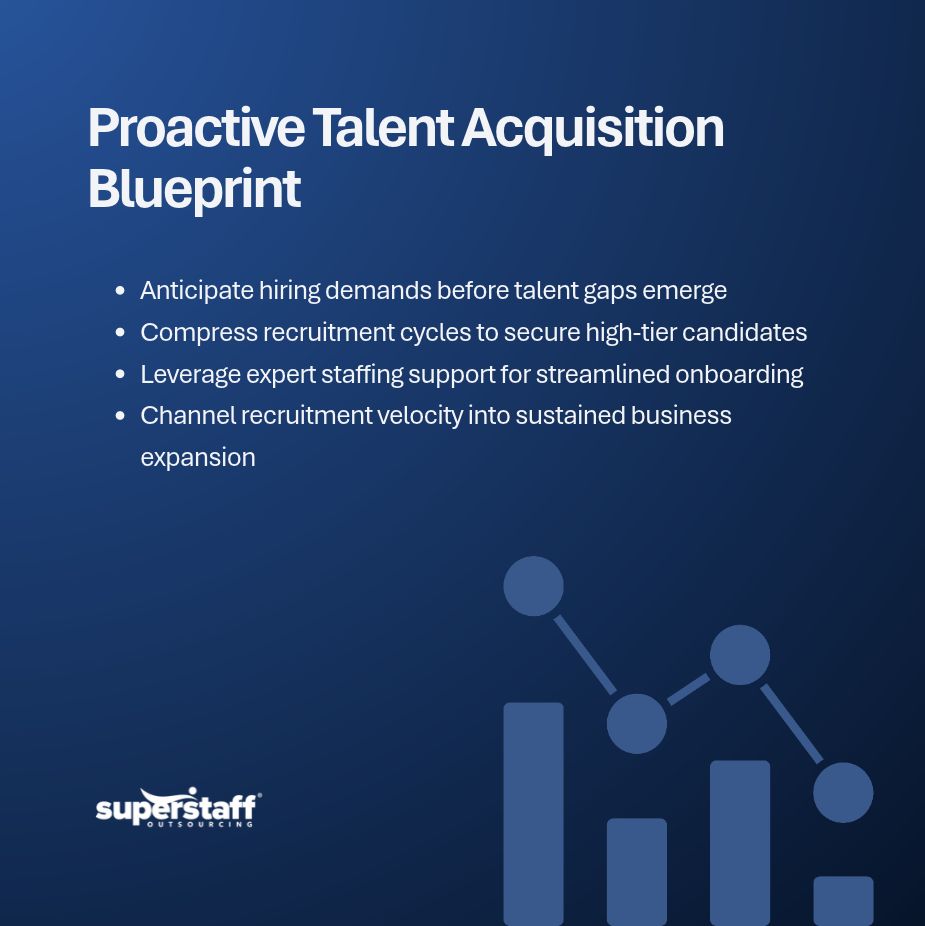
EOR support can reduce administrative delays, but companies should also improve the way they recruit. A clear process helps candidates understand what to expect and gives hiring teams a better way to manage open positions.
1. Prepare Before Hiring Begins
Set the job requirements, salary range, responsibilities, and approval process before advertising a position. When hiring managers agree on these details early, recruiters can move forward without waiting for repeated decisions.
Businesses should also prepare onboarding requirements so new employees know what to expect after accepting an offer.
2. Keep Interviews Focused
Too many interview rounds can make candidates lose interest. Each interview should have a clear purpose, whether it is to assess technical skills, discuss experience, or evaluate how a candidate may work with the team.
Hiring managers should agree on the evaluation criteria before interviews begin. This makes it easier to compare candidates and reach a decision.
3. Communicate With Candidates Regularly
Candidates should not have to guess what is happening with their applications. A quick update after an interview or a clear explanation of the next step can help maintain their interest.
Even when a final decision is not ready, recruiters should provide a realistic timeline and follow through on promised updates.
4. Work With Experienced Recruitment and Workforce Partners
External workforce partners can help businesses manage different parts of the hiring process. Recruitment providers can support candidate sourcing and selection, while EOR providers handle agreed employment responsibilities.
Companies that need help improving their recruitment process can also review outsourced recruitment solutions and consider which tasks are suitable for outside support.
5. Review Hiring Results
Companies should regularly check how long each stage of recruitment takes. Useful measures include time to schedule interviews, time from final interview to offer, offer acceptance rates, and time from acceptance to the employee’s start date.
These figures can help identify where candidates are dropping out and which steps need improvement.
Choosing the Right EOR Provider
Not all EOR providers offer the same level of support or operate in the same countries. Before choosing a partner, businesses should review its local coverage, employment processes, payroll capabilities, communication practices, and service fees.
It is also important to understand how the provider handles changes in employment requirements. A reliable partner should explain its responsibilities clearly and provide a consistent point of contact for questions or concerns.
The right provider should support the company’s current hiring needs while giving it room to expand into other markets when necessary.
Support for Faster International Hiring
Companies that want to hire overseas without setting up a local entity can consider SuperStaff’s Employer of Record services. The service supports global hiring by helping manage employment, payroll, and compliance requirements in supported markets.
Before moving forward, businesses should define their hiring goals, target countries, and expected workforce size. These details help ensure that the selected EOR arrangement matches their plans.
Move Faster and Hire With Confidence
The competition for skilled professionals makes a timely hiring process important. Companies that respond quickly, communicate clearly, and prepare their employment requirements can improve their chances of securing qualified candidates.
Employer of Record solutions help reduce some of the administrative work involved in international hiring. They give businesses a way to employ talent in supported countries without first establishing a local entity, allowing internal teams to focus on recruitment and business operations.
SuperStaff supports companies with Employer of Record services, recruitment support, payroll administration, HR solutions, and business process outsourcing. Whether you are entering a new market or building an international team, our experienced team can help you plan your next steps. Contact SuperStaff to discuss your global hiring needs and find the right workforce support for your business.