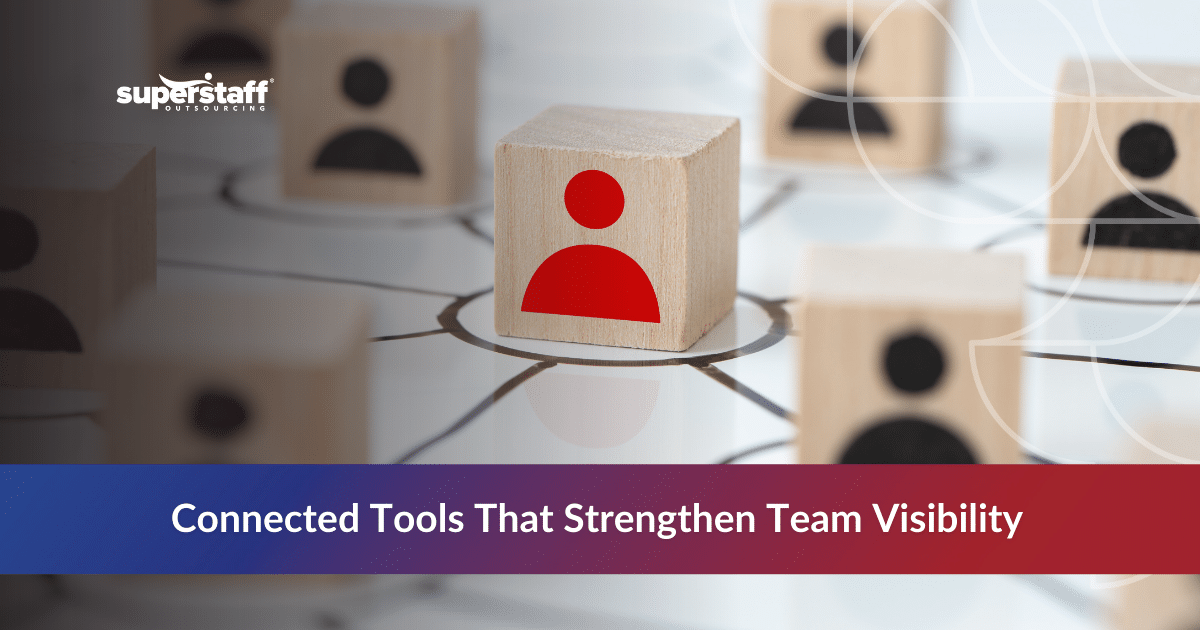
Team visibility affects how employees communicate, manage responsibilities, and complete daily tasks. Many organizations still deal with scattered messages, unclear assignments, and delayed updates. These problems make it difficult for managers to monitor workloads and keep projects on schedule.
Connected workforce solutions help address these challenges by bringing communication, task management, reporting, and workflow tracking into organized systems. Employees gain a clearer understanding of their responsibilities, while managers can monitor progress, make informed decisions, and respond to operational concerns faster.
What Connected Workforce Solutions Mean for Daily Operations
Connected workforce solutions bring communication, task management, and reporting together to help employees work with greater clarity. They give teams a shared view of responsibilities, progress, and operational updates.
- Centralized Communication
A shared communication platform reduces scattered messages and disconnected conversations. Employees can access updates, instructions, and important announcements without switching between multiple channels. This helps everyone stay informed about changes that affect their work.
- Clear Task Tracking
Connected workforce software helps define responsibilities, deadlines, and task ownership. Employees can see who handles each assignment, what stage it has reached, and which actions remain. This reduces confusion and makes it easier to follow daily priorities.
- Real-Time Progress Updates
Automatic status updates help employees and managers monitor ongoing activities. When someone completes a task or encounters a problem, the information becomes available to the relevant team members. This allows everyone to respond without waiting for manual reports.
- Organized Reporting
Digital reporting systems collect information and present it in an organized format. Managers can review completed assignments, employee workloads, and performance indicators without manually gathering information from different sources.
- Predictable Workflows
Standardized workflows give employees clear steps to follow when completing assignments. They explain what needs to happen, who handles each stage, and when tasks should be completed. This helps reduce unnecessary delays and inconsistent work practices.
Effective project visibility also depends on making responsibilities, project updates, and potential risks accessible to the right people. These practices are explained in Smartsheet’s guide to improved project visibility.
Common Visibility Challenges That Affect Teams
Organizations often experience visibility problems when employees rely on separate communication channels, manual reports, and disconnected tracking systems. These challenges can affect productivity and make it harder to maintain consistent operations.
- Limited Awareness of Workloads
Managers need accurate information to distribute assignments fairly. Without a clear view of employee workloads, some team members may receive too many tasks while others have available capacity. Connected workforce solutions help leaders review assignments and identify workload imbalances.
- Delayed Communication
Scattered messages and slow responses can interrupt important activities. Employees may miss instructions or spend time following up on information they have not received. A centralized communication system makes updates easier to access and helps teams address concerns faster.
- Unclear Task Progress
Manual updates often become outdated, especially when several employees handle different stages of a project. Without current information, managers may struggle to identify incomplete assignments or potential delays. Automated tracking provides a clearer view of ongoing work.
- Slow Cross-Team Coordination
Different departments may use separate tools and reporting methods. This creates information gaps when projects require cooperation between multiple groups. Connected systems help employees share updates and coordinate responsibilities through consistent processes.
- Manual Tracking Errors
Spreadsheets and paper-based checklists can create duplicate entries, missing information, and inaccurate reports. Digital tracking systems reduce the need for repeated data entry and help maintain more consistent records.
For organizations managing employees across different locations, clear roles and communication rules are equally important. These are among the practices covered in SuperStaff’s article on managing a remote workforce.

How Connected Workforce Solutions Improve Coordination
Better coordination requires shared information, defined responsibilities, and consistent communication. Connected workforce solutions support these practices by giving employees and managers access to the information they need.
- Unified Communication Platform
Employees use a shared platform to exchange information, discuss concerns, and receive updates. This reduces missed messages and makes important conversations easier to follow. Teams can also refer to previous discussions when they need clarification.
- Clear Task Ownership
Every assignment should have an identified owner, deadline, and expected result. This helps employees understand their responsibilities and prevents multiple people from assuming someone else will complete the same task.
- Consistent Documentation
Important notes, instructions, attachments, and updates remain organized within the same system. Employees can access the correct information without searching through multiple emails or separate records.
- Accurate Work Tracking
Managers and employees can review project stages, completion rates, and outstanding assignments. This makes it easier to identify delays, adjust priorities, and determine which tasks require immediate attention.
- Stronger Alignment Between Departments
Connected workforce solutions help different departments follow shared processes. Marketing, operations, finance, and customer support teams can coordinate their activities using consistent updates and reporting standards.
Five High-Impact Connected Workforce Solutions
Organizations can improve team visibility by using tools that address specific operational needs. The following five categories provide practical ways to organize work and maintain better oversight.
- Task and Project Management Platforms
These platforms organize assignments, deadlines, project stages, and employee responsibilities. Managers can monitor ongoing work, identify incomplete activities, and adjust priorities when requirements change. Employees also have a clearer understanding of what needs to be completed.
- Real-Time Communication Tools
Communication platforms allow employees to exchange messages, share files, and receive important announcements. Features such as group conversations, video meetings, and team channels make it easier to coordinate activities and resolve questions.
- Workload and Capacity Tracking Systems
These systems provide an overview of employee assignments and available working hours. Managers can identify employees with heavy workloads, distribute responsibilities more evenly, and determine when additional support is necessary.
- Time and Activity Monitoring Tools
Time tracking systems record working hours, attendance, and time spent on specific assignments. These records help managers understand how resources are being used and identify activities that may require better scheduling or process adjustments.
- Integrated Reporting Dashboards
Reporting dashboards combine information from different operational systems. Managers can review completion rates, productivity indicators, response times, and other performance measures. Having these details in one place supports faster and more informed decisions.
Businesses that need additional personnel to manage administrative processes can also consider back-office support services, particularly for data management, reporting, and recurring operational tasks.
Advantages of Using Connected Workforce Solutions
Connected workforce solutions provide several operational benefits by making information easier to access and responsibilities easier to manage.
- Improved transparency across projects and daily assignments.
- Faster decision-making through accurate operational updates.
- Better coordination between employees and departments.
- Fewer communication delays and missed instructions.
- More organized reporting and performance monitoring.
- Better workload distribution across teams.
- Clearer expectations for employees and managers.
These improvements help organizations maintain consistent workflows while reducing the time spent searching for information or following up on routine tasks.
Work Tasks Supported by Connected Workforce Solutions
Connected workforce solutions support different responsibilities that require accurate information, regular updates, and clear ownership.
- Task Assignment: Managers can distribute responsibilities and set deadlines based on employee availability.
- Deadline Monitoring: Teams can review upcoming due dates and identify assignments that need attention.
- Progress Reviews: Employees can update task statuses, allowing managers to monitor completion.
- Document Sharing: Teams can access important files, instructions, and supporting records in one location.
- Workload Assessment: Managers can review assignments and identify employees who may need additional support.
- Performance Tracking: Organizations can monitor completion rates, turnaround times, and other operational indicators.
- Management Reporting: Leaders can review organized reports when evaluating team performance and planning resources.
When these activities follow consistent procedures, employees spend less time managing disconnected information and more time completing their assigned responsibilities.
Industries That Benefit From Connected Workforce Solutions
Connected workforce solutions can support different industries because most organizations need reliable communication, task tracking, and operational reporting.
- IT and Technology: Development teams can monitor project milestones, manage technical requests, and coordinate support activities.
- Logistics and Distribution: Employees can track shipments, update delivery information, and coordinate warehouse activities.
- Manufacturing and Production: Managers can monitor production schedules, assign responsibilities, and track operational progress.
- Healthcare Administration: Administrative teams can organize records, monitor documentation requirements, and coordinate routine processes.
- Retail Operations: Store managers can monitor employee schedules, inventory activities, and daily responsibilities.
- Field Services and Maintenance: Teams can assign service requests, monitor job completion, and communicate updates from different locations.
- Professional and Business Services: Companies can manage client assignments, project deadlines, documentation, and employee workloads.
These industries benefit from having organized systems that provide employees with clear instructions and managers with reliable operational information.
Best Practices for Implementing Connected Workforce Tools
Choosing the right software is only one part of improving team visibility. Organizations also need clear implementation guidelines to make sure employees understand how to use the tools.
- Define Workflow Needs
Identify existing problems involving communication, reporting, task assignments, and workload distribution. Understanding these gaps helps organizations select tools that address actual operational requirements.
- Select Tools With Real-Time Features
Choose systems that provide timely updates and allow employees to access information across different devices. Integration with existing business applications can also reduce duplicate work.
- Create Standard Task Rules
Establish guidelines for naming assignments, setting deadlines, recording updates, and completing documentation. Consistent procedures make information easier to understand and review.
- Train Teams Consistently
Provide employees with practical training on the selected tools. Everyone should understand how to update assignments, share information, and report problems.
- Track Key Performance Metrics
Monitor completion rates, response times, workload distribution, and turnaround times. Reviewing these indicators helps managers determine whether the tools are improving daily operations.
- Review and Improve Processes
Collect employee feedback and identify recurring problems. Organizations should regularly review their workflows and adjust procedures when business requirements change.
Long-Term Stability Supported by Connected Workforce Solutions
Connected workforce solutions support long-term operational stability by maintaining organized records, clear responsibilities, and consistent communication. Managers gain better access to information when planning workloads and reviewing team performance.
Employees also benefit from knowing what they need to accomplish and where to find the information required for their assignments. As organizations expand, these systems can help maintain consistent processes across departments, locations, and larger teams.
Regular performance reviews and updated workflows also help businesses identify areas that need improvement. This allows organizations to address operational problems before they create larger disruptions.
Stronger Visibility, Better Team Outcomes
Connected workforce solutions, connected workforce software, and workforce engagement management tools help organizations maintain clear communication and organized workflows. They make it easier to assign tasks, monitor progress, review workloads, and maintain consistent reporting.
However, technology alone cannot solve every workforce challenge. Businesses also need trained employees, defined responsibilities, and reliable management processes. When these elements work together, organizations can improve coordination and maintain better visibility across daily operations.
SuperStaff provides outsourcing support for businesses that need additional help with customer service, administrative responsibilities, and back-office operations. With clearly defined roles and structured workflows, external teams can work alongside existing employees to support business requirements.
If your organization needs additional workforce support to manage daily operations, contact SuperStaff to discuss your requirements.