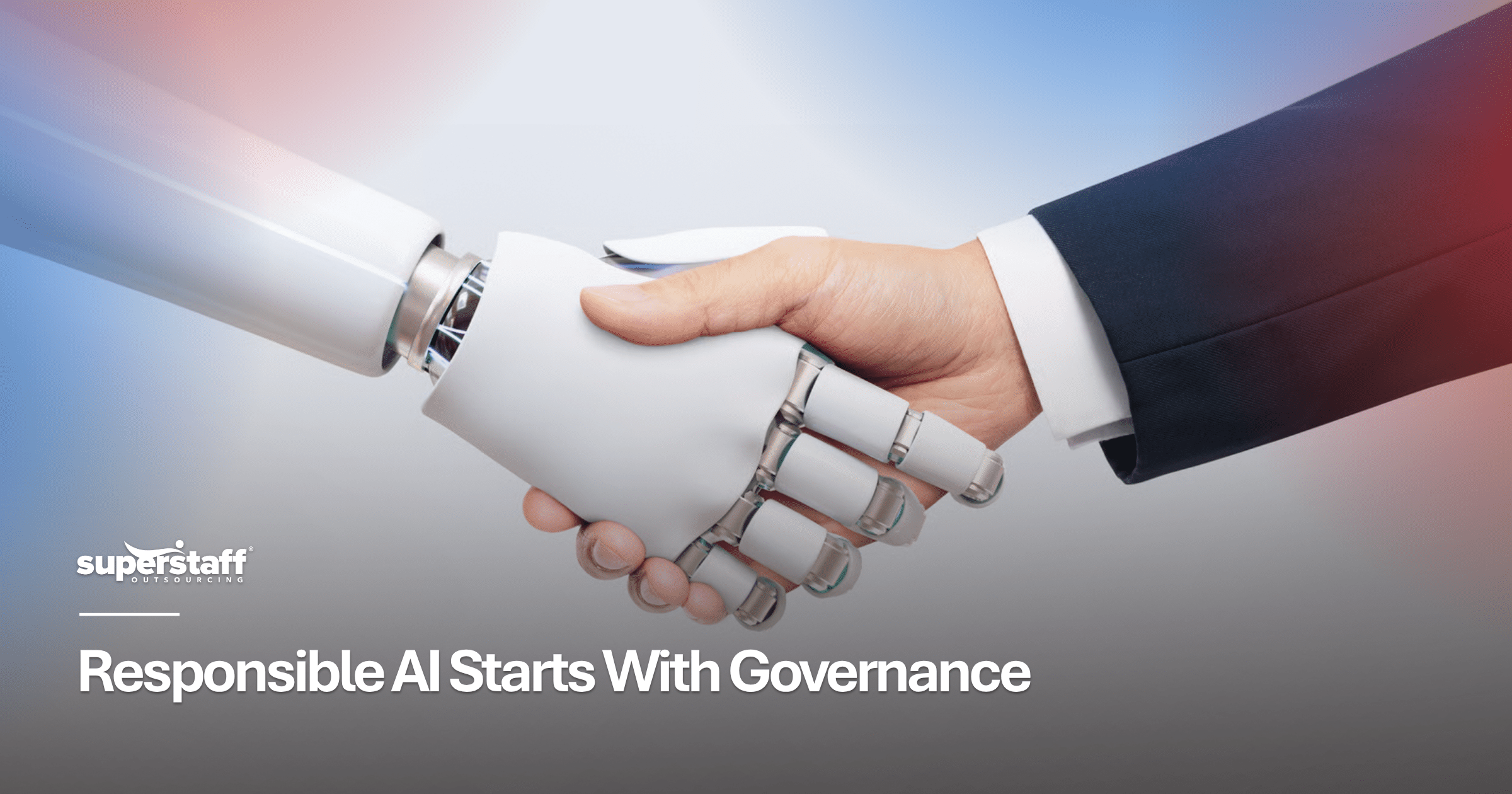

AI has reshaped the customer service landscape. The rise of conversational systems, machine learning, and automated workflows has pushed support operations into a new era of speed and efficiency. Today, AI voice agents for customer service can answer calls, resolve simple inquiries, and even simulate natural speech patterns that feel surprisingly human. Platforms like Ponder are helping teams design and deploy these intelligent conversational workflows more efficiently while keeping humans in the loop where it matters most.
But even with these breakthrough capabilities, one truth remains: Automation alone cannot carry the full weight of customer experience.
Customers still crave human understanding, context-rich judgment, empathy, and nuanced decision-making — qualities that no algorithm, no matter how advanced, can fully replicate. That’s why the most successful companies are not replacing people with automation. They are adopting a human-in-the-loop (HITL) model where AI and humans work together to deliver more reliable, more personalized service.
This blog uncovers why AI voice agents for customer service need real human specialists behind them — and why businesses that embrace a hybrid approach achieve better outcomes, happier customers, and stronger brand loyalty.
AI Voice Agents: Fast, Scalable, and Powerful — But Not Perfect
There is no denying the operational advantages of AI. Modern AI voice agents for customer service can triage calls, authenticate users, search knowledge bases, and resolve simple tasks instantly. They reduce wait times, streamline queues, and free human agents to focus on more complex issues.
But for all their strengths, AI voice systems have important limitations. Here are the main reasons why AI voice agents still need human-in-the-loop for customer service:
1. AI Can Understand Words — But Not Always the Meaning Behind Them
Algorithms process patterns. Humans process context. AI can misinterpret:
- Sarcasm
- Regional accents
- Emotional cues
- Unstructured speech
- Situations that fall outside training data
Even the most sophisticated AI voice agents for customer service can produce incorrect answers when customers express frustration, urgency, or emotional distress. A single misunderstanding can escalate a simple concern into a negative experience.
2. AI Lacks Empathy and Emotional Intelligence
Customer service isn’t just about resolving issues. It’s about feeling understood.
AI customer service agents cannot genuinely empathize, reassure, or de-escalate situations the way trained human specialists can. People want to speak to someone who can listen, adapt, and offer emotional validation.
3. AI Struggles With Non-Standard, High-Stakes, or Ambiguous Cases
Some inquiries require:
- Human judgment
- Ethical discretion
- Specialized knowledge
- Situational awareness
- Creative problem-solving
These elements are exactly where AI voice agents for customer service reach their limits and rely heavily on human escalation paths.

Why Human-in-the-Loop Customer Service Wins
A human-in-the-loop model integrates automation with human expertise. AI does the heavy lifting on routine tasks. Humans step in when nuance, emotion, or complexity enters the picture. This approach isn’t just operationally efficient — it creates a superior customer experience.
1. Humans Provide Empathy, Reassurance, and Trust
When customers reach out, especially during stressful moments, they want to feel heard. Human agents:
- Adjust tone
- Pause when needed
- Show warmth
- Express understanding
- Help customers feel supported
This is something that AI voice agents for customer service cannot fully deliver, regardless of how “human-sounding” they become.
A machine can apologize. A human can mean it.
2. Humans Correct AI Errors Before They Escalate
Even well-trained AI can misclassify issues or provide incorrect responses. With human supervisors embedded into the process, errors are identified and corrected in real time. This avoids miscommunication, compliance risks, and customer frustration.
The human-in-the-loop model ensures AI constantly improves while customers remain protected from automation mistakes.
3. Humans Handle Complex Requests That AI Cannot
AI excels at repetitive, predictable tasks:
- Password resets
- Order status requests
- Basic troubleshooting
But real service issues often fall into gray areas, such as:
- Fraud investigations
- Medical benefit concerns
- Contract disputes
- Emotional or personal complaints
- Multi-layered technical problems
In these cases, human specialists deliver what AI cannot — deep reasoning, creativity, and individualized solutions.
4. Humans Train AI to Get Smarter Over Time
Behind every successful AI model is a team of human annotators, analysts, and QA specialists who refine:
- Speech recognition accuracy
- Intent classification
- Sentiment detection
- Knowledge base recommendations
- Automated workflows
This continuous tuning is essential. Without human guidance, AI voice agents for customer service plateau quickly or regress in accuracy. With it, they evolve continuously and remain aligned with brand standards.
5. Humans Uphold Ethics, Compliance, and Judgment
AI is not capable of ethical reasoning. It does not understand consequences. It cannot assess risks.
For industries like healthcare, insurance, finance, and logistics, human oversight is non-negotiable. Human agents ensure AI responses comply with:
- HIPAA
- PCI-DSS
- Data privacy requirements
- Industry-specific protocols
- Organizational policies
The human-in-the-loop approach protects brands from the ethical pitfalls of unmonitored automation.
Hybrid Customer Support Models Deliver the Best of Both Worlds
Businesses do not have to choose between automation and people. The real competitive edge lies in combining them.
The hybrid model allows AI voice agents for customer service to serve as the first line of support while human agents stand ready to intervene. This unlocks advantages across every performance metric:
AI Improves:
- Speed
- Consistency
- Availability
- Cost-efficiency
Humans Improve:
- Accuracy
- Empathy
- Problem-solving
- Customer satisfaction
Together, they create a seamless support experience that feels smart, responsive, and genuinely helpful.
Real People Enable AI to Scale Without Compromising Quality
As demand increases, AI handles more volume. But humans ensure quality remains high. Here’s how the combined model typically works:
- AI greets the customer, gathers initial information, and attempts resolution.
- Human agents monitor queues, step in when complexity or emotion is detected, and take over when needed.
- Supervisors review AI performance and adjust training data.
- Analysts improve intent models and refine customer journeys.
- Together, they create an ecosystem where service quality continuously improves.
This is how companies maintain consistency even during:
- Peak seasons
- Product launches
- Outages
- Holiday surges
- Rapid scaling cycles
Automation handles the volume. Humans handle the value.
Why Removing Humans From AI Workflows Creates Higher Risk
A fully automation-only customer service setup increases:
- Error rates
- Customer frustration
- Compliance risks
- Negative sentiment
- Reputational damage
Without oversight, AI voice agents for customer service can produce:
- Incorrect answers
- Contradicting solutions
- Emotionally tone-deaf responses
- Misinterpretations that anger customers
- Unintended biases
Human specialists are the safeguard that prevents these issues from impacting customers.
Customer Expectations Are Higher Than Ever — and Humans Deliver What AI Cannot
Even with rapid AI advancements, surveys consistently show that customers still prefer a real human when:
- Their issue feels urgent
- They’re frustrated
- Money or health is involved
- They have been transferred multiple times
- They feel the brand does not understand them
AI can assist, but customers trust people.
This reality explains why even the world’s most technologically advanced companies (Amazon, Apple, leading banks, and Fortune 500 brands) maintain human service teams despite heavy investments in automation.
The Future of Customer Service Is Hybrid, Not Fully Automated
AI is not replacing human agents — it’s empowering them. In the next decade, companies that succeed will be those that blend:
- AI precision
- Human empathy
- Intelligent escalation
- Data-driven training
- Ongoing human oversight
A balanced, human-in-the-loop system ensures that AI voice agents for customer service remain reliable tools rather than unpredictable risks.
The goal is not to remove people from the equation. It’s to elevate people by giving them the tools to work smarter, faster, and with greater impact.
Implementing AI Voice Agents for Customer Service? Trust the Human BPO Experts to Get You Started
Automation is accelerating. AI is evolving. But customer service will always be a people-driven field at its core.
AI voice agents for customer service bring speed, efficiency, and intelligent routing. Humans bring the heart, context, and judgment that customers trust.
Together, they create scalable support operations that solve problems, strengthen relationships, and keep brands resilient — even in the most demanding environments.
The true future of customer service isn’t AI versus humans. It’s AI and humans, working side by side.
Ready to elevate your customer experience? Turn to SuperStaff for comprehensive CX outsourcing solutions.