Growth brings exciting opportunities, but it also creates new responsibilities. More customers, larger workloads, and additional projects can quickly overwhelm internal teams if businesses are not prepared. Hiring more employees may seem like the obvious answer, yet it also increases costs, management responsibilities, and training requirements. That is why many companies look for smarter ways to stay organized while continuing to grow.
One practical solution is outsourced operational support. It helps businesses manage daily tasks without expanding their in-house workforce. As a result, teams stay productive, leaders focus on business goals, and customers continue receiving quality service. Companies that use outsourced operational support can scale steadily while keeping operations efficient and organized.
Smart Strategies That Keep Operations Organized
Growth becomes easier when businesses create systems that support daily operations. Instead of adding more employees for every new challenge, companies can improve how work gets done.
1. Focus Internal Teams on High-Value Work
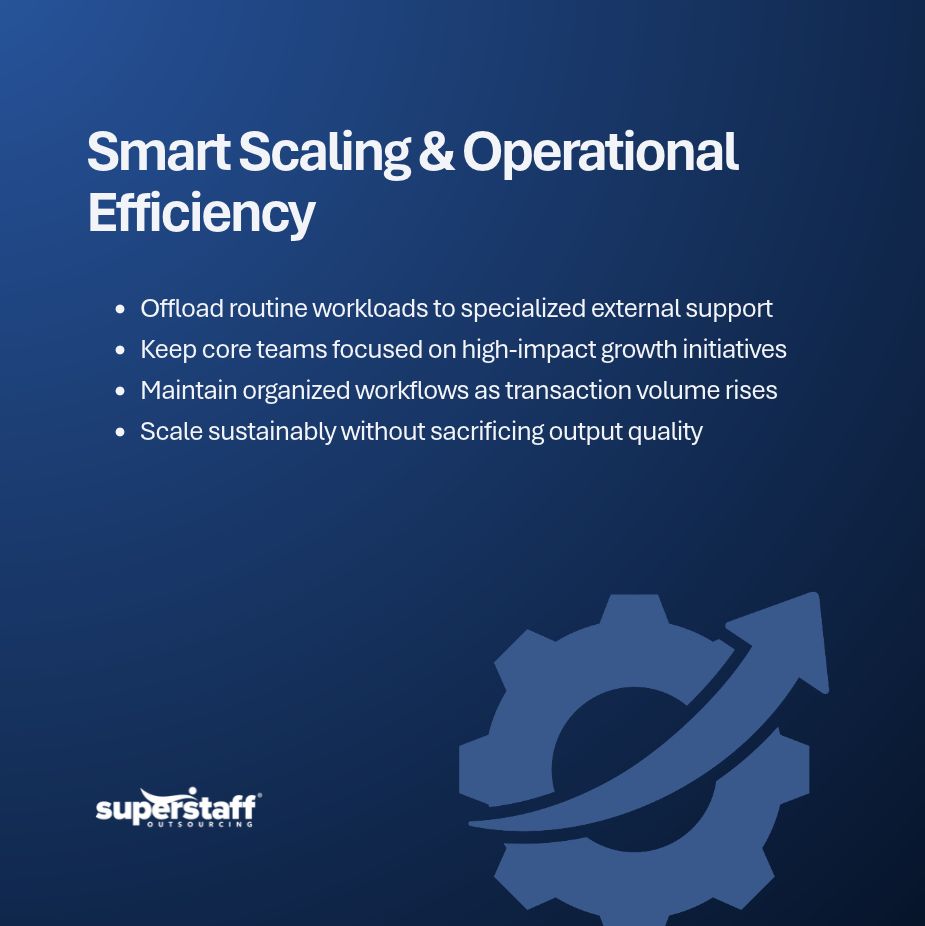
Employees perform better when they spend time on tasks that match their skills. Therefore, businesses should remove repetitive administrative work from their daily responsibilities whenever possible.
Routine activities such as data entry, scheduling, and document processing can be handled through outsourced operational support. Consequently, internal teams have more time for planning, customer relationships, and business development.
2. Create Clear Workflows
Organized companies rely on documented processes instead of informal instructions. As a result, employees understand their responsibilities and complete tasks more consistently.
Simple workflows also reduce confusion when new projects arrive or workloads increase. Everyone knows what to do, which improves efficiency across departments.
3. Use Technology Wisely
Technology should make work easier instead of adding unnecessary steps. Businesses should choose systems that improve communication, task tracking, and file sharing.
However, software alone cannot solve every operational challenge. Companies often combine technology with skilled support teams to achieve better results.
4. Improve Communication Across Departments
Strong communication helps teams solve problems faster. Therefore, managers should encourage regular updates between departments to avoid duplicated work and missed deadlines.
Simple communication practices include:
- Weekly team meetings
- Shared project trackers
- Clear reporting structures
- Standard operating procedures
- Centralized document storage
These habits help everyone stay aligned even as the business grows.
5. Review Operations Regularly
Businesses should evaluate their processes every few months. Small problems often become larger issues if leaders ignore them for too long.
Regular reviews help identify delays, unnecessary steps, and areas where additional support may improve productivity. Companies can also use the Australian government’s business productivity guide to review practical ways to measure productivity, improve workflows, and make better use of existing resources.
outsourced operational support
Habits That Help Companies Stay Organized
Long-term organization depends on daily habits rather than one-time improvements. Companies that stay consistent often experience smoother growth.
1. Set Clear Priorities
Not every task deserves immediate attention. Leaders should identify activities that directly affect customers, revenue, and business goals.
Clear priorities prevent teams from becoming overwhelmed by less important work.
2. Monitor Performance
Businesses should measure operational performance regularly instead of relying on assumptions. Useful performance indicators include:
- Project completion times
- Customer satisfaction
- Employee productivity
- Service response times
- Operational costs
Tracking these metrics helps managers make better decisions as the company grows.
3. Encourage Employee Feedback
Employees often discover process improvements before managers notice them. Therefore, businesses should create opportunities for open communication and regular feedback.
Listening to employees also improves engagement while helping leaders solve operational problems earlier.
4. Plan for Growth Before It Happens
Growing companies prepare for future demand instead of reacting after workloads increase. As a result, they avoid rushed hiring decisions and operational bottlenecks.
Planning ahead includes reviewing staffing needs, technology, workflows, and available outsourcing options.
5. Build Flexible Support Systems
Business needs continue to change over time. Therefore, companies should develop systems that can adapt as workloads increase or priorities shift.
Flexible support allows organizations to respond quickly without placing unnecessary pressure on internal employees.
How Outsourcing Supports Sustainable Growth
Many successful companies grow without hiring large internal teams. Instead, they strengthen operations through outsourced operational support while maintaining flexibility.
1. Reduce Administrative Workloads
Administrative work keeps businesses running, but it also consumes valuable employee time. Tasks like scheduling, reporting, invoice processing, and document management often reduce productivity.
Outsourcing these responsibilities allows employees to concentrate on work that directly supports business growth. For companies that need help with recurring administrative duties, virtual assistant and accounting tasks that businesses can outsource provide examples of responsibilities that can be handled by external professionals.
2. Scale Faster During Busy Periods
Business demand changes throughout the year. Some companies experience seasonal peaks, while others grow quickly after launching new products or entering new markets.
Instead of hiring permanent employees for temporary increases, businesses can scale operations with outsourced teams that adjust according to demand.
3. Control Operating Costs
Hiring new employees requires salaries, benefits, office space, equipment, and ongoing training. Therefore, rapid hiring may increase expenses faster than revenue.
Outsourcing helps companies manage workloads without making large long-term staffing commitments. This approach creates greater financial flexibility.
4. Access Experienced Professionals
Outsourcing providers employ specialists who already understand many operational processes. Consequently, businesses reduce training time while maintaining service quality.
Experienced professionals also introduce proven methods that improve efficiency and consistency.
5. Support Business Continuity
Unexpected staff shortages, employee turnover, or sudden increases in workload can interrupt daily operations. However, outsourced teams provide additional support when businesses need it most.
Reliable operational support helps companies continue serving customers without major disruptions.
Improve Daily Processes With the Right Systems
Adding more employees does not automatically solve operational problems. If workflows are unclear or tasks involve too many manual steps, a larger team may face the same delays.
Businesses should first identify where work gets stuck. This may involve repeated data entry, slow approval processes, disconnected software, or unclear task ownership. Once these problems are identified, managers can decide whether to simplify the process, introduce suitable technology, or assign selected tasks to external professionals.
Automation can also help with recurring activities, but it should support a clear process rather than replace one that is already inefficient. Companies can review business process automation strategies for growing teams to understand how technology and human support can work together to manage increasing workloads.
Choose the Right Support for Specialized Business Tasks
Not every function can be handled through basic administrative assistance. Some businesses need professionals who can manage research, analyze information, prepare reports, or support specialized processes.
Before choosing an external provider, identify the knowledge and skills required for each task. Consider the complexity of the work, the level of oversight needed, and the information employees will access. These details help determine whether a general support role or a specialized team is more appropriate.
Businesses with more complex information and research requirements can consider Knowledge Process Outsourcing. This type of support can help with specialized functions such as legal processes, accounting, data science, and software development without requiring every skill set to be maintained internally.
Stay Organized While Growing Confidently
Growth should create opportunities instead of operational stress. Companies that improve their processes, organize workloads, and seek the right support often scale more smoothly than those that rely only on expanding internal teams.
SuperStaff provides outsourcing solutions that help businesses manage customer service, back-office operations, finance support, specialized processes, and other essential functions. Whether your company is preparing for steady growth or handling increasing workloads, the right support arrangement can help your teams stay focused and organized.
Reach out to SuperStaff to discuss your operational needs and find support that fits your business goals.