A shipment may leave the warehouse on time, but that does not mean it will reach its destination without problems. Every international shipment depends on complete and accurate paperwork before goods can move through customs, transportation hubs, and delivery points.
A missing document, incorrect product description, or inconsistent shipment detail can hold up an entire delivery. These errors may lead to customs inspections, storage fees, extra administrative work, and missed delivery commitments. Poor freight documentation can affect more than one shipment. It can also disrupt inventory planning, supplier relationships, and customer service.
For businesses involved in international trade, documentation deserves the same attention as transportation planning and inventory management. By improving document accuracy and establishing clear review procedures, companies can reduce delays, manage costs, and keep global shipments moving.
How Poor Freight Documentation Affects Global Shipping
Freight documents provide important information about the goods being transported, their value, their origin, and their destination. Customs authorities, freight carriers, warehouses, and customers rely on these records to process shipments correctly.
The Philippine Bureau of Customs’ importation guidelines explain the documents commonly required for imports, including commercial invoices, packing lists, bills of lading or airway bills, and applicable permits. Requirements may vary depending on the goods and the destination country, so businesses need to check the rules that apply to each shipment.
1. Customs Clearance Takes Longer
Customs officials review shipping documents to verify shipment details and determine whether goods meet applicable import or export requirements. Missing information, incorrect product descriptions, and inconsistent declared values can lead to additional checks.
When customs cannot verify the submitted details, shipments may remain at ports or warehouses until the necessary corrections are made. These delays can affect production schedules, inventory availability, and customer commitments.
2. Shipping Costs Increase
Documentation mistakes can create expenses that businesses did not include in their original shipping budgets. Delayed shipments may result in storage charges, demurrage fees, correction costs, and additional transportation expenses.
Repeated errors also require employees to spend more time checking records and coordinating with carriers or customs representatives. Improving document accuracy helps reduce these avoidable costs.
3. Supply Chains Experience Disruptions
A delayed shipment can affect several parts of the supply chain. Manufacturers may wait for raw materials, retailers may run short of inventory, and customers may receive orders later than expected.
These problems can create additional pressure on purchasing, warehouse, and customer service teams. Consistent documentation helps businesses maintain better coordination across departments and supply chain partners.
4. Regulatory Compliance Becomes More Difficult
International shipments must meet the import and export requirements of the countries involved. Depending on the product, businesses may need permits, certificates of origin, inspection records, or other supporting documents.
Submitting incomplete or inaccurate paperwork can lead to penalties, inspections, or shipment holds. Companies should review current requirements before shipping goods and update their procedures whenever regulations change.
5. Customer Trust Begins to Decline
Customers expect accurate delivery information and dependable service. When shipments arrive late because of paperwork problems, customers may lose confidence in the supplier.
Repeated delays can also affect future orders and business relationships. Reliable freight documentation helps companies provide more accurate delivery updates and meet customer commitments.
Best Practices for Improving Freight Documentation
Businesses can reduce shipping delays by making documentation part of their regular logistics process. This requires clear procedures, employee training, and consistent checks before shipments leave the warehouse.
1. Create Standard Documentation Procedures
Every shipment should follow a clear documentation process. Standard templates and written instructions help employees understand which information is required and where it should be recorded.
Businesses should also maintain separate checklists when shipping requirements differ by country, product type, or transportation method. This makes it easier to prepare the correct documents for each shipment.
2. Review Documents Before Shipment
A final review can catch errors before goods leave the warehouse. Employees should check shipment addresses, product descriptions, quantities, declared values, invoice details, and customs declarations.
It is also important to compare related documents. For example, the quantities and product descriptions on a commercial invoice should match the corresponding packing list and other shipment records.
3. Train Employees Regularly
Freight documentation requirements can vary across markets and change over time. Logistics, warehouse, and administrative employees should receive regular training on the documents they prepare and the procedures they need to follow.
Training should also cover how to identify missing information, correct common errors, and escalate questions about unfamiliar shipping requirements.
4. Improve Communication Between Departments
Freight documents often contain information from sales, finance, procurement, warehouse operations, and logistics teams. If these departments work with different records, inconsistencies can appear.
Businesses should establish clear procedures for sharing shipment information and confirming changes. This reduces confusion and helps employees work from the same set of details.
5. Monitor Documentation Performance
Companies should review documentation accuracy and shipping results regularly. Managers can track delayed shipments, customs holds, correction requests, and the number of documents returned for revision.
These figures help identify recurring problems and show which processes need improvement. Regular reviews also make it easier to check whether new procedures are producing better results.
How Outsourcing Helps Reduce Documentation Errors
Managing freight paperwork takes time and attention. During busy periods, internal logistics teams may need to prioritize shipment coordination, carrier communication, and customer concerns. As a result, document preparation and record updates can fall behind.
Outsourcing administrative support gives businesses additional people to handle selected logistics tasks. Companies exploring this option can review logistics BPO support services and supply chain operations to understand how external teams can assist with shipment records, proof-of-delivery checks, and documentation-related work.
1. Administrative Support for Logistics Teams
Outsourced professionals can assist with data entry, document preparation, shipment record updates, and other administrative responsibilities. They can follow established procedures to help keep information complete and organized.
This gives internal logistics employees more time to manage transportation schedules, coordinate with carriers, and address shipment concerns.
2. More Consistent Documentation
Standard workflows help reduce differences in how employees prepare and update shipment records. Outsourced teams can follow company-specific instructions and use approved templates to support consistent processing.
Businesses should provide clear guidelines and quality checks to make sure external teams follow the same documentation standards as internal employees.
3. Faster Processing During Busy Periods
Shipping volumes may increase during holidays, seasonal demand, and major sales periods. Internal teams can struggle to keep up with paperwork when several shipments need to be processed at the same time.
Additional administrative support helps businesses manage higher workloads without allowing document backlogs to grow. It also gives managers more flexibility when planning staffing needs.
4. Better Record Management
Freight documents need to remain organized for customer inquiries, compliance reviews, billing, and audits. Missing or poorly stored records can make it difficult to verify shipment details later.
Outsourced support teams can help maintain digital records, update shipment information, and organize documents according to agreed procedures. Businesses should also establish access controls and data handling rules to protect sensitive information.
5. More Time for Core Logistics Activities
When external teams manage selected administrative tasks, internal employees can focus on transportation planning, supplier coordination, customer relationships, and operational improvements.
This arrangement helps businesses divide responsibilities more effectively while maintaining oversight of important logistics activities.
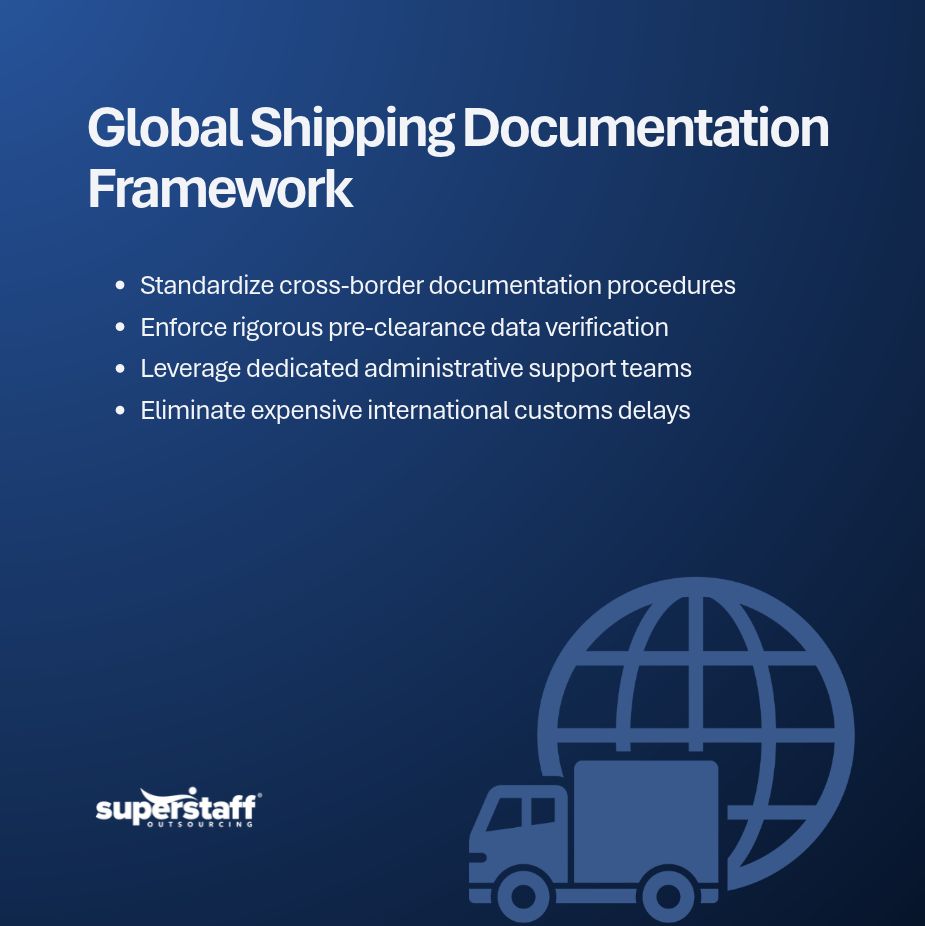
Why Logistics Back-Office Support Matters
Documentation is closely connected to other logistics responsibilities. Shipment tracking, billing, delivery confirmation, and claims processing all depend on accurate and accessible records.
A dedicated back-office team can help manage these tasks while following the company’s existing workflows. Businesses that want to understand how this model works can review logistics back-office support in the Philippines and its role in shipment monitoring, document accuracy, and daily supply chain operations.
The most effective arrangement starts with a clear scope of work. Companies should identify which documents need support, who reviews completed records, and how errors or missing information should be reported.
Additional Steps Businesses Can Take
Outsourcing can provide extra administrative capacity, but companies should also improve the way their internal teams manage freight documents. A few regular practices can help prevent recurring errors.
- Conduct documentation audits to identify common mistakes.
- Keep shipping templates updated for different countries and product categories.
- Maintain a clear record of shipment changes and corrections.
- Review customs requirements before entering new international markets.
- Set approval procedures for important shipping documents.
- Coordinate with freight forwarders and customs brokers when requirements are unclear.
These steps help businesses maintain better control over their paperwork. They also make it easier to identify problems before documents are submitted or shipments are delayed.
Logistics Support for Better Documentation Management
Businesses that need additional help with shipment documentation, freight billing, proof-of-delivery processing, and carrier coordination can consider SuperStaff’s Logistics Support services.
External support can help maintain shipment records and manage routine logistics tasks while internal employees focus on planning and decision-making. Before starting, businesses should agree on responsibilities, quality standards, data access, and reporting procedures.
Accurate Documents Keep Global Trade Moving
International logistics depends on accurate information as much as transportation and warehousing. Poor freight documentation can delay customs clearance, increase shipping costs, interrupt supply chains, and affect customer relationships. Businesses that establish clear procedures, train employees, and review shipment records can reduce these problems.
Outsourcing can also provide additional support when internal teams need help with document preparation, record management, and other logistics tasks. With the right processes and people in place, companies can improve shipment accuracy and keep daily operations organized.
SuperStaff helps businesses manage logistics administration through experienced professionals and flexible outsourcing solutions. Whether you need support with shipment records, freight documentation, back-office tasks, or logistics coordination, our team can help. Contact SuperStaff to discuss your requirements and find support that fits your global logistics operations.