Technology plays a major role in how businesses operate, serve customers, and compete in different markets. Companies need reliable systems that support daily operations, protect data, and help teams work efficiently. As organizations expand across regions, their technology needs often become more complex.
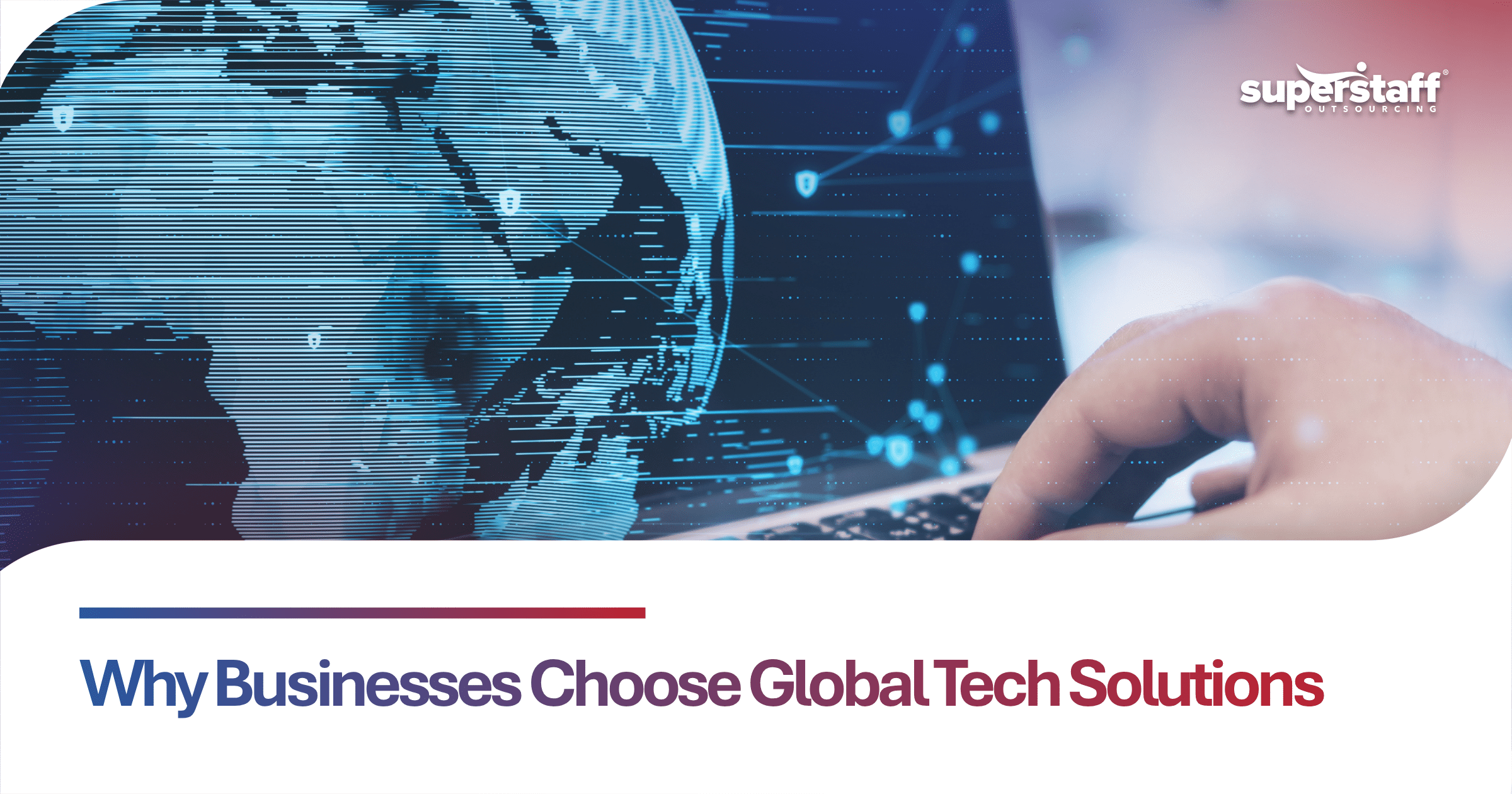
That is why many businesses invest in global tech solutions. These solutions help companies connect teams, improve communication, manage data, and support growth across multiple locations. Whether a company is entering new markets or improving existing operations, the right technology can support long-term business goals.
How Global Tech Solutions Support Business Growth
Businesses often face challenges when managing operations across different countries and regions. However, technology can simplify processes and improve coordination between teams.
1. Better Communication Across Teams
Companies with offices and employees in different locations need reliable communication tools. Teams must stay connected regardless of time zones or geographic distance.
Cloud-based collaboration platforms allow employees to share information, manage projects, and communicate more efficiently. Businesses can also use remote IT support services to assist distributed teams with technical problems that may affect their work.
2. Faster Access to Business Data
Data gives leaders information they can use when making business decisions. However, scattered information can slow down reporting and make it harder to see what is happening across different operations.
Global technology systems can bring information together through connected platforms. Managers can then review reports, track performance, and respond to operational changes more efficiently.
3. Consistent Operations Worldwide
Businesses can struggle to maintain consistent processes when teams use different systems across locations. These differences may create duplicate work, communication gaps, and reporting problems.
Standardized technology systems give teams common tools and processes. As a result, companies can maintain clearer workflows across offices, departments, and markets.
4. Improved Customer Experience
Customers expect businesses to provide timely and reliable service. Technology gives support teams faster access to customer information and makes it easier to manage communication across different channels.
Companies can combine technology with customer service outsourcing to support customers through phone, email, chat, and social channels. This approach can provide additional service capacity as customer volumes increase.
5. Greater Flexibility for Expansion
Companies planning to enter new markets need systems that can grow alongside their operations. Expansion may require additional employees, users, software, storage, and technical support.
Scalable global tech solutions allow businesses to add resources as requirements change. This can reduce the need to replace entire systems whenever the organization expands.
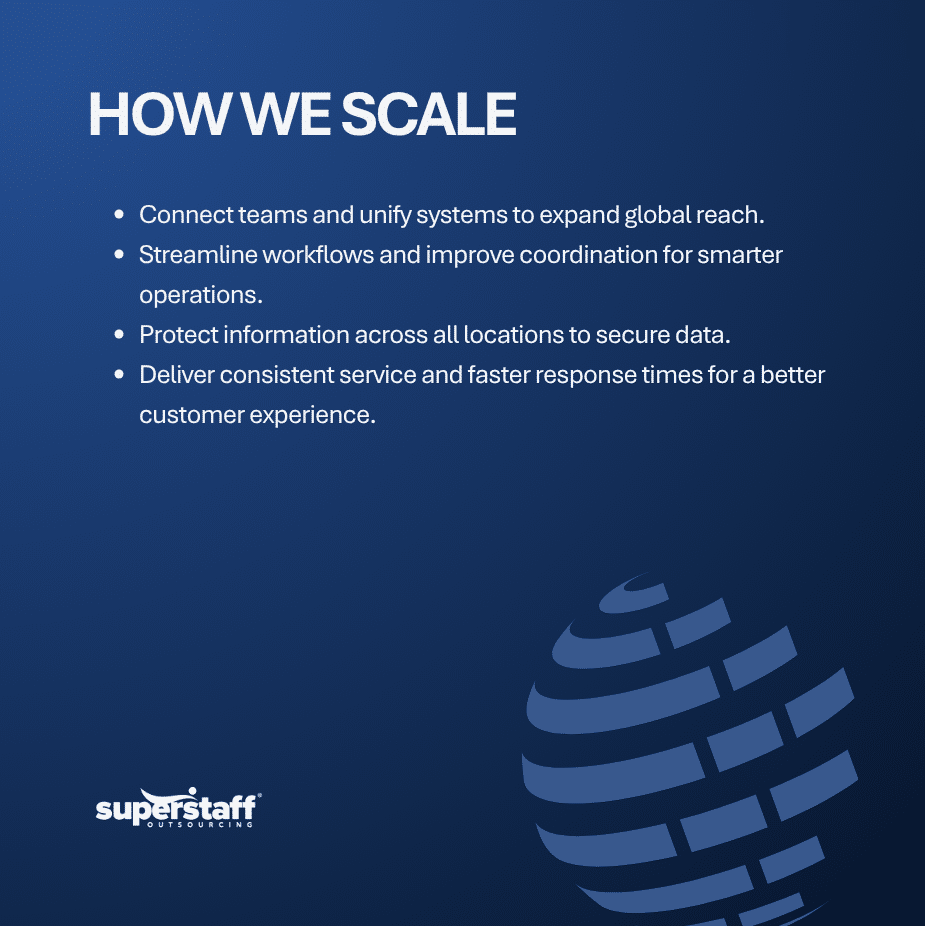
Key Reasons Businesses Choose Global Tech Solutions
Organizations invest in technology for several strategic reasons. While goals vary by industry, many companies share common priorities involving security, efficiency, workforce support, and access to information.
1. Stronger Security and Data Protection
Cybersecurity remains an important concern as companies use more cloud platforms, connected devices, and remote work systems. Security incidents can interrupt operations and expose sensitive business or customer information.
According to IBM, cybersecurity involves technologies, processes, and practices designed to protect systems, networks, programs, devices, and data from cyber threats. Businesses should consider security controls, access management, monitoring, and employee practices when introducing new technology.
2. Reduced Operational Costs
Companies regularly look for ways to improve efficiency while controlling expenses. Technology can automate selected routine tasks and reduce the amount of manual work required for certain processes.
Businesses can also combine technology with back-office outsourcing to manage reporting, documentation, data processing, and other administrative responsibilities. This gives internal teams more time to focus on higher-priority work.
3. Support for Remote and Hybrid Teams
Remote and hybrid employees need reliable access to company systems, files, applications, and communication platforms.
Technology gives employees the tools required to work from different locations. However, businesses also need technical support to address login problems, software issues, device concerns, and other disruptions that affect remote employees.
4. Improved Decision-Making
Business leaders rely on accurate information when planning budgets, staffing, sales, and operational changes. Delayed or incomplete information can make these decisions harder.
Connected technology platforms can provide more current operational data. Leaders can review trends, compare results, and use that information alongside their business knowledge when making decisions.
5. Easier Integration of Business Functions
Different departments often use separate tools and systems. When these platforms do not communicate properly, employees may need to enter the same information multiple times.
Integrated technology solutions can connect functions such as finance, customer service, sales, and operations. Better integration reduces duplicate processes and makes information easier to share across departments.
Business Areas That Benefit Most
Global tech solutions can support many parts of an organization. The specific benefits depend on the company’s industry, systems, and operational requirements.
1. Customer Service Operations
Customer support teams need quick access to account information, communication tools, and service records. Technology platforms can bring these resources together and make information easier for agents to access.
Businesses can also track response times, ticket volumes, customer feedback, and other service data to identify areas that may need attention.
2. Supply Chain Management
Managing suppliers, inventory, transportation, and logistics requires current information. Delays in one part of the supply chain can affect production, deliveries, and customer satisfaction.
Technology can improve visibility across these activities. Teams can monitor inventory levels, track shipments, and respond more quickly when disruptions occur.
3. Human Resources
HR teams manage recruitment, onboarding, payroll, employee records, and workforce information. Handling these processes manually can take significant time.
Digital systems can automate selected administrative steps, organize employee information, and simplify routine HR processes. This gives HR professionals more time for responsibilities that require direct employee interaction.
4. Finance and Accounting
Financial teams need accurate records to manage transactions, reporting, budgeting, and compliance responsibilities.
Technology platforms can organize financial information and reduce repetitive manual processing. However, companies still need appropriate controls and human review to maintain accuracy.
5. Sales and Business Development
Sales teams rely on current customer information, lead records, and performance data. Customer relationship management platforms and other digital tools can organize this information in one place.
This gives sales teams clearer visibility into prospects, existing customers, and active opportunities.
What Companies Look for When Choosing Technology Partners
Selecting the right technology partner requires more than comparing software features. Businesses should consider how well a provider can support current operations and future requirements.
Important factors include:
- Industry experience and technical expertise
- Security and compliance capabilities
- Scalability for future growth
- Reliable technical support
- Integration with existing systems
- Clear service expectations
- Long-term service stability
Businesses should also evaluate how technology providers handle updates, security incidents, system issues, and customer support. These factors can affect how reliable a solution remains after implementation.
Build Smarter Growth With Global Technology
Companies invest in global tech solutions to support communication, efficiency, security, and expansion across different locations. Connected systems can make information easier to access, simplify workflows, and give distributed teams the tools they need to work effectively.
Technology alone, however, cannot meet every operational requirement. Companies still need skilled people to maintain systems, resolve technical issues, support customers, and manage processes. Businesses can use outsourced IT support to add technical expertise without building every support function internally.
Technology That Supports Growth Everywhere
Business growth often requires the right combination of people, processes, and technology. SuperStaff provides outsourcing solutions that can complement technology investments by giving businesses access to skilled teams for IT support, customer service, back-office operations, and other functions.
Looking for scalable workforce support that fits your technology strategy? Contact SuperStaff to discuss your operational needs and learn how outsourcing can support your growth plans.