
Expanding a business across borders brings new opportunities. However, it also introduces legal and operational risks that many companies underestimate. One of the most common issues involves managing people in a different regulatory environment. Labor laws, payroll rules, and reporting standards vary from country to country. That is where HR compliance services become essential.
For U.S. businesses entering the Philippine market, the challenge is not just hiring talent. It is ensuring every employee, process, and document aligns with local regulations. A small mistake can lead to penalties, delays, or reputational risk. On the other hand, strong compliance builds stability and trust.
As a result, many companies now rely on HR compliance services to manage these responsibilities with accuracy and consistency.
Why HR Compliance Services Matter for U.S. Companies Expanding to the Philippines
Operating in the Philippines requires a clear understanding of labor laws and employment standards. U.S. regulations do not apply directly. Therefore, businesses must adapt quickly.
HR compliance services help bridge this gap by ensuring:
- Employment contracts follow Philippine labor laws
- Payroll and tax contributions are accurate
- Benefits meet government requirements
- Employee records are properly maintained
Without proper guidance, even well-managed companies can fall out of compliance. Meanwhile, outsourcing HR compliance services reduces the burden on internal teams and allows leaders to focus on growth.
Understanding the Philippine HR Compliance Landscape
Before hiring employees, companies must understand how the system works. Several agencies regulate employment in the Philippines.
1. Key Government Bodies
- Department of Labor and Employment manages labor standards
- Bureau of Internal Revenue handles taxation
- Social Security System oversees retirement contributions
- PhilHealth covers healthcare benefits
- Pag-IBIG Fund supports housing programs
Each agency has its own reporting and contribution requirements. Therefore, HR compliance services ensure all submissions are completed correctly and on time.
2. Core Employment Requirements
Businesses must comply with:
- Minimum wage laws based on region
- Mandatory benefits and contributions
- 13th month pay
- Overtime and holiday pay rules
- Proper employee classification
Failure to meet any of these can lead to audits or fines. That is why many companies rely on HR compliance services to manage these details.
Key Components of HR Compliance Services
A strong compliance strategy covers multiple areas. Each one plays a role in protecting both the company and its employees.
1. Employment Contracts and Documentation
Clear contracts are the foundation of compliance.
- Contracts must follow local labor laws
- Terms should include job role, salary, and benefits
- Policies must align with Philippine standards
Professional HR compliance services ensure contracts are accurate and legally sound.
2. Payroll and Tax Compliance
Payroll is one of the most sensitive areas.
- Salary calculations must include correct deductions
- Taxes must be withheld and reported properly
- Government contributions must be submitted on schedule
Errors in payroll can quickly escalate into compliance issues. With HR compliance services, companies avoid these risks.
3. Benefits Administration
Philippine law requires specific benefits.
- Healthcare contributions through PhilHealth
- Retirement contributions via SSS
- Housing fund contributions through Pag-IBIG
Managing these manually can be complex. Therefore, HR compliance services help ensure consistency and accuracy.
4. Employee Records Management
Proper documentation is essential.
- Employee files must be complete and updated
- Records should be accessible for audits
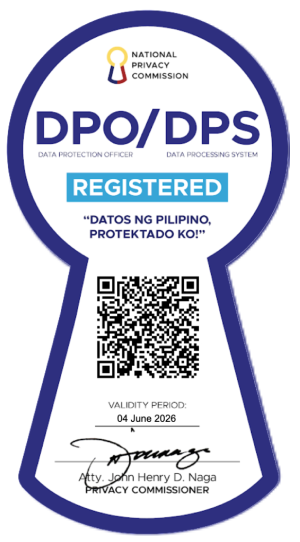
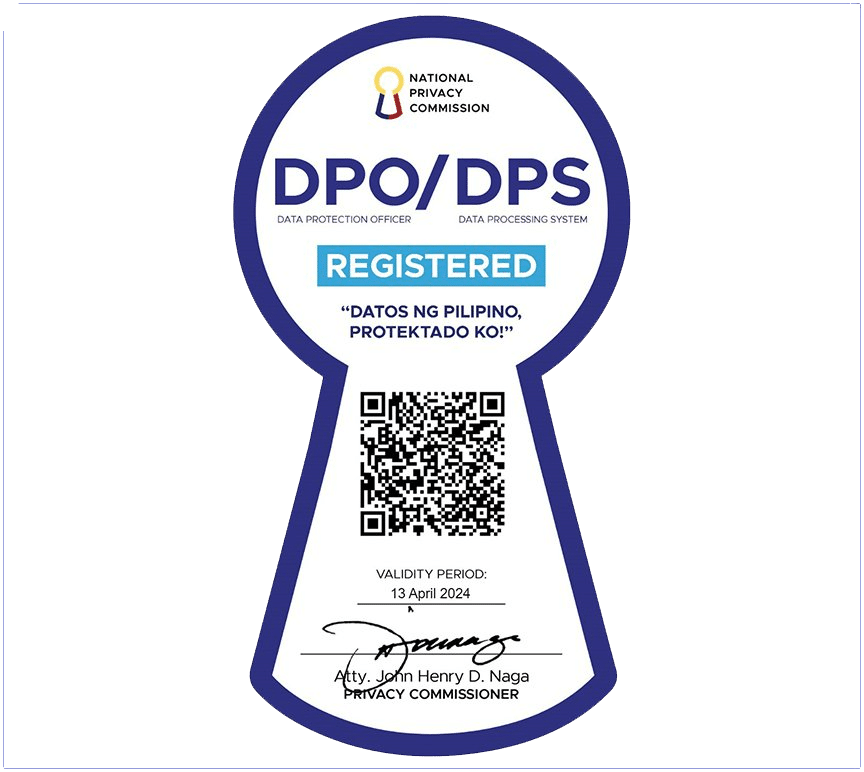
- Data privacy laws must be followed
Reliable HR compliance services maintain organized and secure records.
Common Compliance Challenges for U.S. Businesses
Even experienced companies face challenges when entering a new market.
1. Misunderstanding Local Labor Laws
Rules in the Philippines differ from U.S. standards. For example, mandatory benefits and termination policies are stricter. Without proper knowledge, businesses may unintentionally violate regulations.
2. Managing Multi-Agency Reporting
Each government agency requires separate submissions. Keeping track of deadlines and requirements can be overwhelming.
3. Payroll Errors
Currency differences, tax rates, and contribution rules create room for mistakes. A single error can affect multiple employees.
4. Data Privacy Compliance
The Philippines enforces strict data privacy laws. Companies must ensure employee data is handled properly.
To address these issues, many organizations turn to HR compliance services for structured and reliable support.
Why the Philippines Is a Strategic Choice for HR Compliance Outsourcing
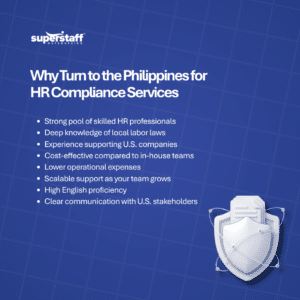
The Philippines offers more than just a skilled workforce. It also provides strong support for compliance-driven operations.
1. Skilled HR Professionals
The country has experienced HR teams familiar with both local and international standards.
2. Cost Efficiency
Outsourcing HR compliance services to the Philippines is more cost-effective compared to maintaining large in-house teams.
3. English Proficiency
Communication is clear and efficient, which reduces misunderstandings in compliance processes.
4. Established BPO Industry
The Philippines has a mature outsourcing sector. As a result, providers have structured systems for delivering HR compliance services.
How to Choose the Right HR Compliance Services Provider
Selecting the right partner is critical. Not all providers offer the same level of expertise.
Key Factors to Consider
- Proven experience with U.S. clients
- Strong understanding of Philippine labor laws
- Clear processes for payroll and reporting
- Data security and privacy compliance
- Scalable solutions for growing teams
Additionally, companies should look for providers that offer transparent communication and consistent reporting.
A reliable partner for HR compliance services will act as an extension of your business.
Best Practices for Managing HR Compliance Successfully
Even with outsourcing, companies should stay involved in compliance efforts.
Recommended Approach
- Set clear expectations with your provider
- Review reports regularly
- Maintain open communication
- Stay updated on regulatory changes
- Conduct periodic audits
By combining internal oversight with expert HR compliance services, businesses can maintain full control while reducing risk.
The Role of Technology in HR Compliance Services
Technology plays a major role in improving accuracy and efficiency.
Key Benefits
- Automated payroll calculations
- Real-time reporting and tracking
- Secure data storage
- Faster document management
Modern HR compliance services use digital tools to reduce errors and improve visibility. As a result, businesses gain better control over their operations.
Build a Strong Compliance Foundation with the Right Partner
Expanding to the Philippines offers clear advantages for U.S. businesses. However, success depends on how well companies manage compliance. Every employee, contract, and payroll entry must follow local regulations.
That is why HR compliance services are not optional. They are a core part of building a stable and scalable operation.
SuperStaff provides reliable HR compliance services designed for U.S. companies entering the Philippine market. Our team understands local regulations and delivers structured support across payroll, benefits, and documentation.
If your business is planning to expand or improve its current setup, now is the time to act. Contact SuperStaff today to explore how our HR compliance services can support your growth while keeping your operations fully compliant.