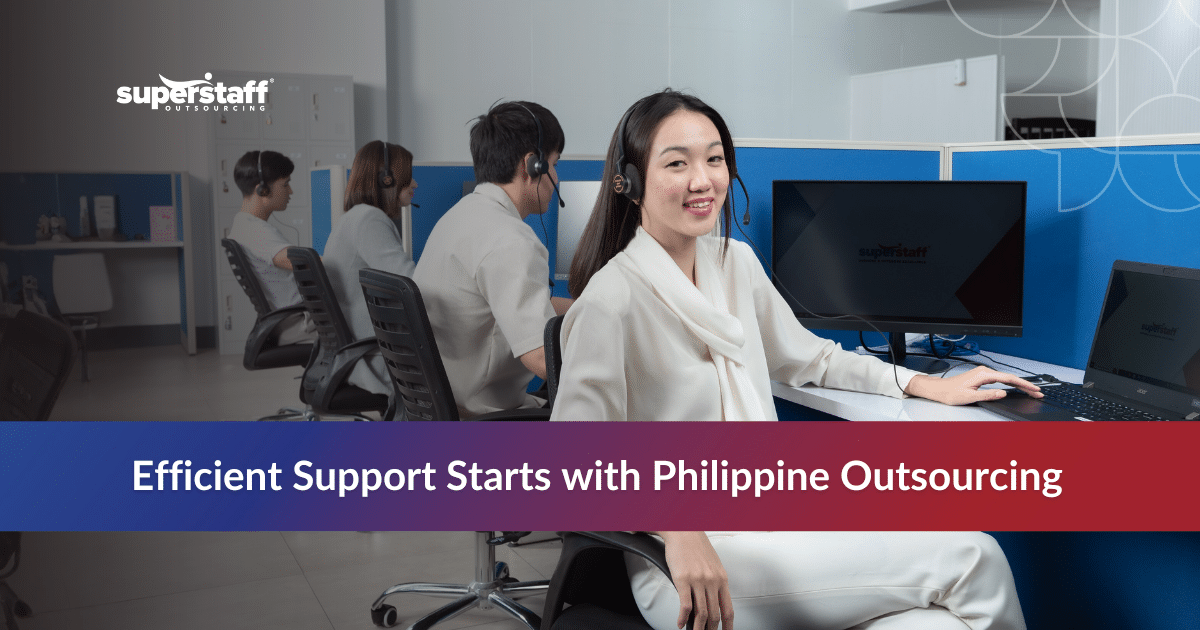
Strong communication and accurate data management help businesses serve customers and maintain organized operations. Customers expect quick answers when they call, while employees need reliable information to resolve issues and complete daily tasks. Managing both functions internally can place pressure on teams, especially when call volumes and administrative workloads increase.
Phone systems outsourcing BPO gives businesses a way to manage customer calls with support from an external team. When combined with data entry and back-office assistance, this approach helps companies organize customer information, manage routine tasks, and use internal resources more effectively. The Philippines is a practical option for businesses seeking trained professionals for voice and non-voice operations.
Why the Philippines Is a Popular Outsourcing Destination
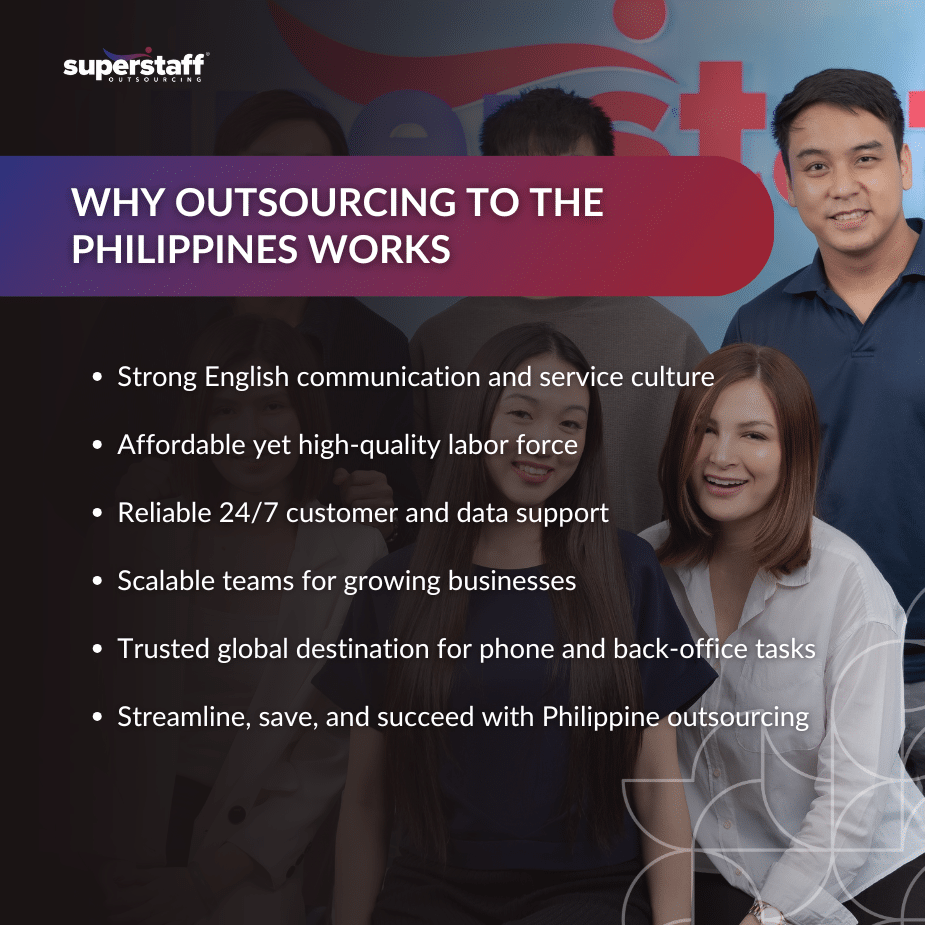
The Philippines has an established business process outsourcing industry that supports companies across different markets. Businesses can find teams for customer service, technical support, administrative processing, and data management. The right provider depends on the company’s requirements, budget, and service standards.
1. Skilled and English-Proficient Workforce
Clear communication helps customer service agents understand questions, explain solutions, and document conversations accurately. English-speaking professionals in the Philippines support businesses that serve international customers. Training on company policies, products, and communication standards helps agents provide consistent service.
2. Service-Oriented Customer Support
Phone agents need patience, active listening skills, and the ability to handle different customer concerns. These skills help them manage complaints, answer questions, and direct complex issues to the right department. Businesses should assess a provider’s recruitment, training, and quality monitoring processes before choosing a team.
3. Flexible Operating Costs
Maintaining an internal call center involves recruitment, salaries, equipment, software, and supervision. Phone systems outsourcing BPO can change how these expenses are managed by allowing businesses to work with an external provider. Actual savings depend on service scope, staffing requirements, technology costs, and contract terms.
4. Technology and Infrastructure
Reliable internet connections, communication platforms, and secure business systems support offshore operations. Before outsourcing, companies should check the provider’s backup systems, access controls, data handling procedures, and business continuity plans.
5. An Established BPO Industry
The Philippines has experience supporting international businesses across customer service and back-office functions. This gives companies access to providers with established hiring, training, and operational processes. However, each provider should be evaluated based on its experience, service quality, and ability to meet the company’s requirements.
Outsourcing Phone-Based Support to the Philippines
Phone support remains important for businesses that need direct communication with customers. Through phone systems outsourcing BPO, companies can assign routine calls and specialized support tasks to trained agents while their internal teams focus on other priorities.
1. Customer Service and Call Handling
Outsourced agents can answer product questions, manage complaints, provide order updates, and record customer feedback. Clear scripts and training materials help agents follow company procedures while allowing them to respond naturally to customer concerns.
2. Technical Support
Technical support teams help customers troubleshoot products, software, and services. Depending on their training and access, agents can guide customers through basic solutions, document technical issues, and escalate complex problems to specialized staff.
3. Inbound and Outbound Calling
Inbound teams handle incoming inquiries, service requests, and order questions. Outbound teams may conduct appointment reminders, customer follow-ups, surveys, or sales calls based on agreed business goals and applicable communication rules.
4. Multichannel Communication
Customers may prefer phone calls, email, live chat, or online support forms. Businesses can combine these channels so customers have different ways to ask questions and receive updates. Shared procedures and accurate records help keep responses consistent across channels.
5. Extended Service Hours
Businesses serving customers in several time zones may need support outside regular office hours. An outsourced team can provide coverage based on agreed schedules, staffing levels, and service requirements. Companies should confirm the actual operating hours and escalation arrangements before launching the service.
Companies assessing their options can review what to know about outsourcing call center teams in the Philippines when comparing service coverage, training, and quality management.
Outsourcing Data Entry and Back-Office Operations
Phone support addresses customer needs directly, while data entry helps keep the information behind those interactions organized. Combining both functions allows businesses to manage customer records, update transactions, and process documents alongside their customer service activities.
1. Accurate and Timely Data Management
Data entry specialists can update customer profiles, process forms, organize digital files, and maintain transaction records. Standard procedures and quality checks help identify missing information, duplicate entries, and inconsistencies.
2. Reduced Administrative Workloads
Repetitive data tasks can take employees away from customer service, planning, and other responsibilities. Outsourcing suitable tasks allows internal staff to focus on work that requires their direct involvement.
3. Scalable Support
Data processing needs may increase during busy seasons, product launches, or periods of business growth. Outsourcing arrangements can provide additional capacity when needed, depending on staffing availability and the agreed service scope.
4. Responsible Information Handling
Customer records and business documents may contain confidential information. Companies should use approved systems, limit access to authorized employees, and establish clear rules for transferring, storing, and processing data. Outsourcing providers should be assessed against the company’s security and privacy requirements.
The IBM overview of data quality explains why accurate, complete, consistent, and timely information matters when organizations use data for business decisions.
5. Faster Processing and Retrieval
Well-organized databases help employees locate customer details, transaction records, and supporting documents more quickly. Outsourced data entry teams can follow naming conventions, file structures, and validation procedures to make information easier to retrieve.
How Phone Systems and Data Services Work Together
Phone support and data entry serve different purposes, but both rely on accurate information and clear communication. Coordinating these functions helps businesses reduce repeated work and maintain consistent customer records.
1. Shared Access to Reliable Information
Customer service agents need current account details, order histories, and service records to answer questions. When authorized agents have access to accurate information, they can resolve routine inquiries without unnecessary delays.
2. Better Coordination Between Teams
Phone agents may collect information that needs to be recorded in a customer database or business system. Data entry specialists can update the relevant records based on established procedures, helping keep information consistent across departments.
3. More Organized Workflows
Defined responsibilities help teams understand who handles each task. For example, an agent may receive a request, document the issue, and assign a follow-up task to the appropriate department. Clear handoffs help prevent requests from being overlooked.
4. More Consistent Customer Experiences
Customers benefit when employees can review previous interactions and provide accurate updates. Coordinated phone support and record management also help reduce repeated questions and conflicting information.
5. Performance Tracking
Businesses can monitor call response times, resolution rates, data accuracy, and processing times. Reviewing these measures helps managers identify delays and improve procedures across both functions.
Benefits of Outsourcing to the Philippines
Outsourcing can support different operational goals, but the results depend on how services are selected and managed. Businesses should define their priorities before transferring tasks to an external team.
1. Cost Management
External teams can help businesses manage selected staffing and operating expenses. A full cost assessment should include service fees, technology, training, quality checks, and internal management time.
2. Consistent Service Standards
Documented procedures, regular coaching, and quality reviews help maintain service standards. Businesses should agree on performance targets and review results to confirm that the provider meets expectations.
3. Flexible Staffing
Outsourcing can provide access to additional workers when call volumes or administrative workloads increase. Companies should agree on how quickly staffing changes can be made and whether additional capacity will affect pricing.
4. Operational Flexibility
External support can cover specific shifts, tasks, or business functions. This gives companies more options when organizing their operations, especially when serving customers across different time zones.
5. More Time for Core Business Activities
Delegating routine calls and data processing can give internal teams more time for planning, product development, customer relationships, and other priorities. Clear task boundaries help ensure that outsourced employees handle suitable responsibilities while internal teams retain control of important decisions.
Industries That Benefit from Philippine Outsourcing
Businesses across different industries use customer support and back-office services to manage communication and information processing.
1. E-commerce
Online retailers can outsource order inquiries, delivery updates, returns assistance, product information requests, and order record maintenance. Coordinating these tasks helps customer service teams provide accurate updates.
2. Healthcare
Healthcare organizations may outsource appointment scheduling, administrative data entry, and routine patient inquiries. These tasks require appropriate privacy safeguards, role-based access, and compliance with applicable healthcare regulations.
3. Finance and Insurance
Financial services companies can use external teams for customer inquiries, document processing, record updates, and administrative support. Access to financial information should be limited to authorized personnel, with appropriate controls and review procedures.
4. Logistics
Logistics companies manage shipment records, delivery schedules, tracking requests, and customer inquiries. Coordinated phone support and data entry help teams maintain current shipment information and communicate changes.
5. Technology
Technology businesses may outsource help desk calls, basic troubleshooting, account updates, and technical ticket documentation. Defined escalation procedures help ensure that complex technical problems reach the right specialists.
Managing Outsourced Teams Effectively
A successful outsourcing arrangement requires more than assigning tasks to an external provider. Companies need clear instructions, regular communication, and measurable standards to maintain quality.
1. Set Clear Goals and KPIs
Define targets for call response times, issue resolution, data accuracy, and task completion. Choose measures that reflect business needs rather than focusing only on speed or volume.
2. Maintain Regular Communication
Schedule performance reviews and provide updates when products, policies, or workflows change. A clear communication process helps both teams resolve questions and address problems quickly.
3. Use Reliable and Secure Tools
Select communication platforms, databases, and project management systems that meet business requirements. Apply access controls, approved file-sharing methods, and security procedures to protect company information.
4. Encourage Teamwork
Include outsourced employees in relevant process updates and provide clear points of contact for questions. Good coordination helps employees understand their responsibilities and work effectively with internal departments.
5. Monitor Performance Consistently
Review quality scores, customer feedback, data accuracy, and processing times. Use the findings to improve training, revise instructions, and address recurring issues.
Strengthen Operations With Integrated Outsourcing
Combining phone-based customer support with data entry can help businesses manage customer interactions and administrative work more efficiently. Phone systems outsourcing BPO provides access to external teams for calls, while back-office support helps maintain the records and information needed to complete daily tasks.
Businesses that need support with record management, document processing, and other administrative responsibilities can review back-office outsourcing and data entry support services to assess which functions may fit their workflows.
Empower Your Operations With Philippine Expertise
Choosing the right outsourcing partner starts with identifying the tasks that take up the most time, create the most delays, or require additional staffing. Businesses should compare providers based on their experience, training, security practices, reporting, and ability to meet agreed service standards.
SuperStaff provides customer support and back-office outsourcing services for businesses that need help managing calls, customer inquiries, and administrative tasks. The right service arrangement depends on your team’s workload, systems, and operational goals.
If you are considering phone support, data entry, or a combination of both, contact SuperStaff to discuss your requirements and identify suitable outsourcing options.