Pax Silica is no longer only a government policy discussion. Companies now have a reason to examine what it could mean for investment, supply chains, technology, hiring, and market access.
The U.S.-led initiative focuses on secure supply chains covering semiconductors, AI infrastructure, advanced manufacturing, critical minerals, energy, and logistics. The Philippines joined the initiative in April 2026. Plans also include an AI-focused industrial hub in New Clark City.
However, large projects and international partnerships do not automatically create equal benefits for every company. The Pax Silica business impact will depend on how policies, investments, contracts, skills, and infrastructure develop. Therefore, private companies should start asking practical questions before making major decisions.
Five Questions Businesses Need to Ask
Pax Silica aims to involve private industry in building secure technology supply chains. The declaration itself highlights private investment and entrepreneurship as important parts of the initiative. However, participation requires companies to understand where they fit and what may change. Businesses can also review what Pax Silica could mean for Philippine companies as they assess possible opportunities and risks.
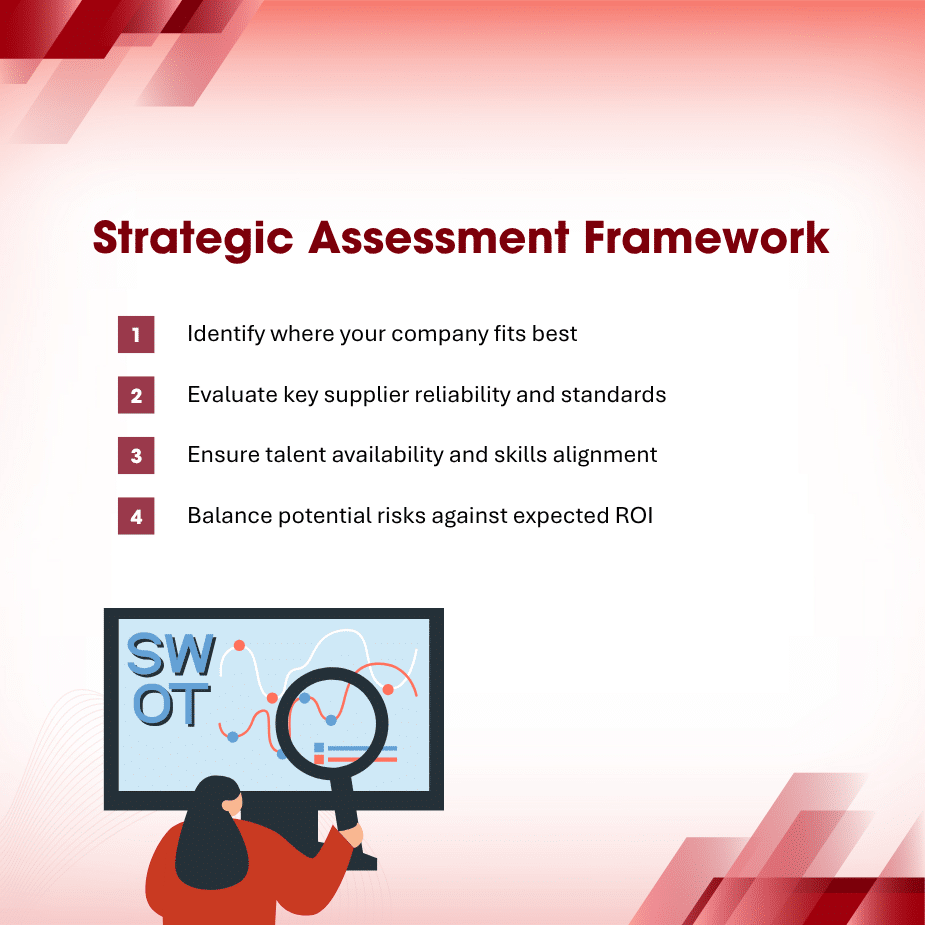
1. Where Does Our Business Fit?
Companies should first identify their possible role within the wider supply chain. Pax Silica covers areas beyond semiconductor production, including software, data infrastructure, manufacturing, logistics, minerals, and energy.
Therefore, opportunities may extend to companies that support these industries. IT providers, BPO firms, recruiters, logistics companies, engineering firms, and professional services providers could find new demand if investment expands.
2. Will Our Supply Chain Requirements Change?
Pax Silica places strong attention on secure and reliable supply chains. As a result, businesses may need to review where they source materials, equipment, technology, and services.
Companies should ask:
- Which suppliers support key operations?
- Where do important materials and technologies come from?
- Do we depend heavily on one market or supplier?
- Can alternative suppliers meet our standards?
- What new documentation could customers request?
These questions help companies identify risks before changing suppliers or signing long-term agreements.
3. What New Standards Could Affect Us?
Closer technology cooperation may bring stricter expectations around security, data handling, sourcing, and supplier checks. However, the exact effect will vary by industry and future policies.
For this reason, businesses should avoid assuming that current practices will remain enough. Instead, they can review existing compliance systems and watch for new requirements from governments, investors, and larger corporate customers.
4. Do We Have the Right Workforce?
The proposed Philippine hub could create demand for engineers, researchers, computer science graduates, and other skilled professionals. Philippine officials estimate that the development could eventually generate more than 130,000 high-quality jobs, although the project remains under development.
Consequently, companies should examine their workforce plans early. Competition for technical talent may increase if semiconductor, AI, data, and advanced manufacturing investments grow.
5. Are We Measuring Risk Alongside Opportunity?
Businesses should not treat every new investment announcement as a guaranteed commercial opportunity. Large industrial projects take time, while policies, financing, construction schedules, and market conditions can change.
Therefore, companies should compare potential gains with costs and risks. A clear assessment can prevent rushed investments based only on expected future demand.
How Pax Silica Could Affect Private Companies
The Pax Silica business impact may reach companies that do not directly produce chips or AI hardware. New industrial activity requires many supporting services, from staffing and cybersecurity to logistics and business operations. The Philippine Information Agency’s report on the proposed New Clark City AI hub provides further background on the government’s plans.
1. New Supplier Opportunities
Large technology projects require networks of contractors and suppliers. Local firms may compete for work in areas such as construction, transportation, IT, staffing, security, maintenance, and administrative support.
However, access will depend on procurement rules and buyer requirements. Smaller companies may need certifications, stronger security controls, or partnerships before they can qualify.
2. Greater Demand for Specialized Skills
Advanced manufacturing and AI-related operations require technical talent. At the same time, companies need finance teams, HR staff, customer support, procurement specialists, compliance workers, and other business functions.
As demand grows, employers may need stronger recruitment and training programs. They may also use outsourcing to handle support functions while internal teams focus on specialized work.
3. Changes in Investment Decisions
Companies considering expansion should examine infrastructure, workforce availability, energy access, connectivity, and proximity to customers. The planned New Clark City hub is expected to support advanced manufacturing and logistics within the Luzon Economic Corridor.
Still, location alone should not determine an investment. Companies need to compare operating costs, incentives, customer demand, and long-term business requirements.
4. More Attention to Cybersecurity
Connected supply chains create more data exchanges between manufacturers, suppliers, service providers, and government systems. Therefore, companies may face stronger expectations for cybersecurity and information protection.
Businesses should review access controls, vendor security, incident response, and data policies. Strong controls can also help companies meet the requirements of larger international clients.
5. New Outsourcing Requirements
The Pax Silica business impact could also affect outsourcing demand. Companies entering or expanding within the Philippines may need customer service, finance, HR, technical support, data processing, and back-office operations.
BPO providers may therefore serve as support partners for companies building local operations. However, providers will need the right skills, security controls, and industry knowledge to compete for this work.
What Should Companies Do Before Investing?
Pax Silica creates a reason to review business plans, but companies do not need to make immediate large investments. A measured approach can help leaders respond as clearer opportunities develop.
1. Map Current Exposure
Start by identifying suppliers, customers, technologies, and operations connected to affected industries. Then determine which parts of the business could face new requirements or opportunities.
This process gives decision-makers a clearer view of their current position. It also helps separate realistic opportunities from assumptions.
2. Review Supplier Resilience
Companies should identify areas where one supplier, location, or technology creates too much dependence. Then they can evaluate alternative sources without replacing reliable partners unnecessarily.
Diversification should solve a real business problem. Otherwise, it may simply increase costs and management work.
3. Assess Workforce Gaps
Businesses should list the skills they may need over the next several years. Next, they can compare those needs with existing employees, recruitment options, training programs, and outsourcing partners. Companies that need help with sourcing and hiring can explore recruitment process outsourcing services to support workforce planning.
This approach can help companies prepare without hiring too early. It can also identify roles that external providers can handle efficiently.
4. Follow Policy Details
Businesses should monitor investment rules, incentives, infrastructure plans, procurement requirements, and security standards. These details will determine how much companies can actually benefit from the initiative.
The timeline also matters. Philippine officials said in August 2026 that development of the planned AI hub could begin within three to five years. Therefore, companies should separate near-term opportunities from longer-term plans.
5. Build Flexible Business Plans
Companies should prepare several possible scenarios rather than relying on one forecast. For example, investment could develop quickly, move slowly, or concentrate in specific industries.
Flexible plans allow businesses to adjust spending, staffing, and partnerships as conditions become clearer. As a result, companies can respond without committing too much capital too early.
What Could Limit the Business Benefits?
The private sector also needs to examine possible limits. Investment announcements alone cannot guarantee contracts, jobs, or growth for local companies.
For example, smaller businesses may struggle to meet technical, financial, or security requirements. Meanwhile, competition for skilled workers could increase labor costs. Infrastructure, energy supply, environmental concerns, and project timelines may also affect development.
The government has said the planned Philippine project must follow domestic and international laws while protecting national interests, communities, and the environment. These issues matter because private companies need predictable rules before committing capital.
Therefore, businesses should evaluate Pax Silica based on confirmed policies and commercial opportunities, not expectations alone.
Turn Policy Changes Into Business Decisions
The Pax Silica business impact could extend from semiconductor and AI companies to outsourcing, logistics, recruitment, cybersecurity, and other support industries. However, the size of that impact will depend on how investment, infrastructure, policies, and private-sector participation develop.
Businesses do not need to choose between supporting or rejecting the initiative. Instead, they need clear information, realistic planning, and flexible operations.
SuperStaff helps companies manage business processes, build support teams, and prepare operations for changing market needs. If your company is assessing new growth opportunities or needs scalable outsourced support, contact SuperStaff to discuss your business requirements.