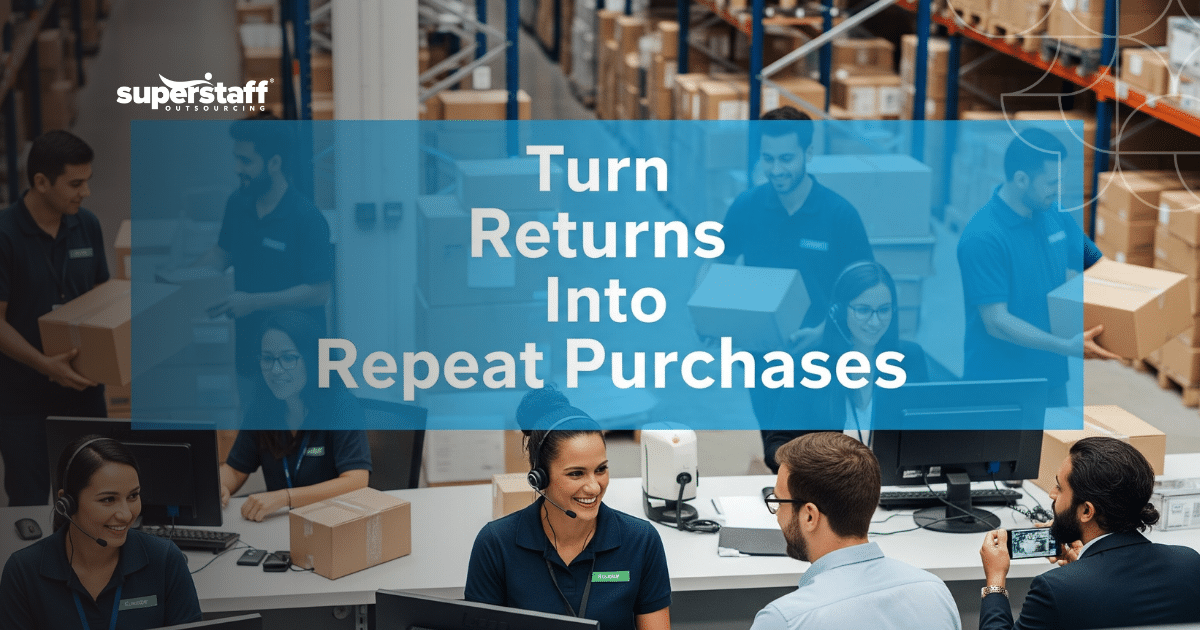
Returns are often treated as an unavoidable cost of doing business. Customers see them differently. The way a company handles a return shapes how that customer feels about the brand. This is where returns management services create a strategic advantage for growing businesses.
Customers request returns when expectations are not met. Emotions run high during these moments. Service quality during returns often matters more than the original purchase experience.
Returns Are a Customer Experience Moment
A return is not an administrative request. It is a service interaction. Customers are already disappointed when they initiate a return. The response they receive determines whether they remain loyal or look elsewhere.
Returns management services ensure that this moment is handled with clarity, speed, and empathy. Structured processes prevent confusion. Trained agents guide customers through next steps without friction.
A thoughtful return experience also signals professionalism. Customers interpret organized handling as a sign that the company values them even when things go wrong. This perception often matters more than promotional campaigns or discounts.
Poor Returns Handling Damages Retention
Delayed responses, unclear policies, and slow refunds frustrate customers. These issues often lead to negative reviews and lost future sales. Many customers never return after a poor return experience.
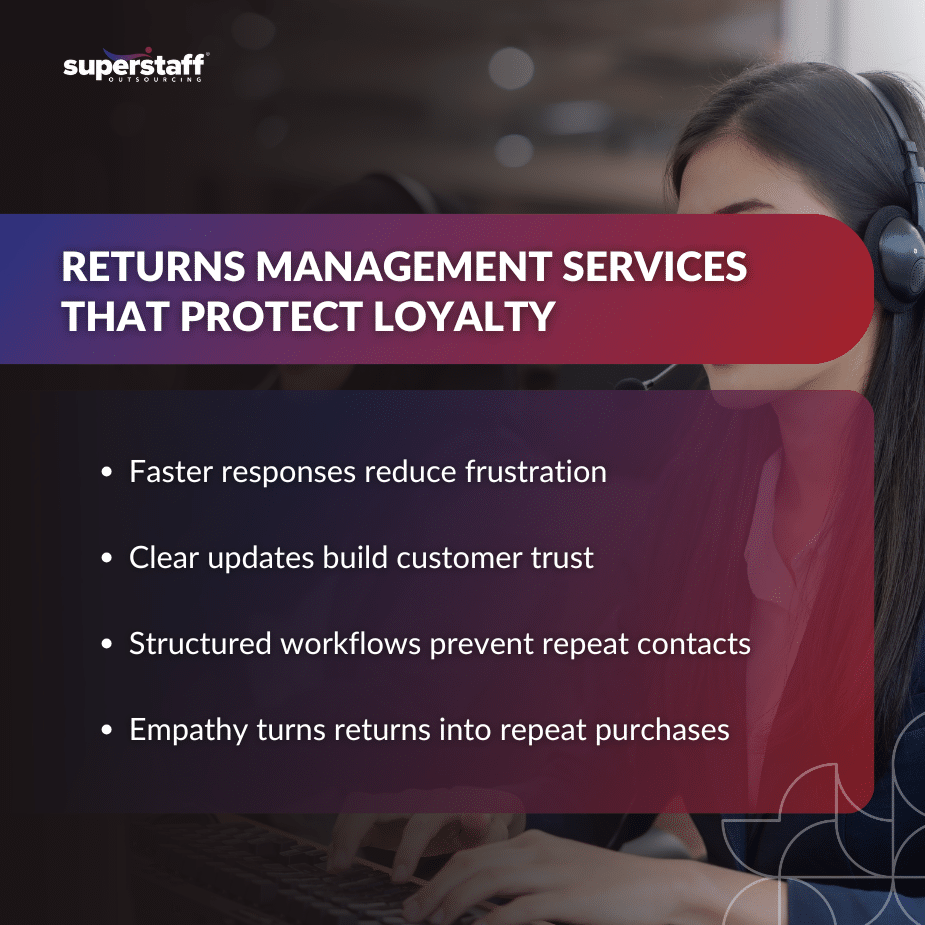
Customer returns management focuses on reducing these friction points. Clear communication and timely updates rebuild trust. Customers feel heard instead of ignored.
Brands that underestimate the impact of returns often spend heavily on marketing to replace lost customers. Improving the return experience can be more cost-effective than acquiring new buyers, especially when margins are under pressure.
Systems and People Must Work Together
Technology tracks tickets and refunds. People handle emotions and exceptions. Returns management services combine both elements into a consistent workflow.
Agents document cases carefully. They interpret policies accurately. They communicate the next steps in simple language customers understand.
When systems and people work in sync, customers experience fewer delays. They receive precise answers without being transferred between departments. This consistency builds credibility.
For leaders, this is where returns management services should be evaluated like any other customer-facing function. The standard should be the same as sales support or onboarding support. If the return workflow is unclear internally, customers feel that confusion immediately. A dedicated team prevents that gap by owning the process end to end.
Ecommerce Outsourcing Philippines Enables Scale
Growing ecommerce brands face rising volumes of returns. Ecommerce outsourcing Philippines provides the manpower and expertise to manage this without overwhelming in-house teams.
Filipino agents communicate clearly with U.S. customers. Their service culture supports patient and respectful conversations. This matters when customers are already dissatisfied.
This approach also allows brands to maintain responsiveness during peak seasons when return volumes spike after holidays and promotions. It also supports extended service hours, which reduces wait times for customers in different time zones.
Standardized Workflows Reduce Customer Effort
Returns management services introduce structured steps that remove guesswork. Tickets are routed properly. SLAs are monitored. Refunds are tracked from start to finish.
Customers do not need to follow up repeatedly. They receive proactive updates. This lowers frustration and builds confidence.
Standardization also ensures that no cases fall through the cracks. Every return follows a predictable path toward resolution. When exceptions happen, they are escalated quickly with documented context, which reduces rework and unnecessary back-and-forth.
Returns Data Provides Operational Insight
Every return tells a story. Patterns often point to product issues, packaging concerns, or mismatched expectations. Returns management services help capture this information accurately.
This data feeds back into operations, marketing, and product teams. Businesses can prevent future returns by acting on these insights.
Over time, this reduces overall return rates while improving customer satisfaction. It also helps leaders make clearer decisions about which products need better descriptions, which suppliers require quality checks, or which shipping methods create avoidable damage.
How Returns Management Improves Customer Retention
Customers remember recovery moments. A respectful and efficient return experience often leads to repeat purchases. Trust is rebuilt through service quality.
How returns management improves customer retention becomes clear when customers choose to buy again after a return. The interaction becomes a positive memory instead of a negative one.
Customers who feel supported during a return often share positive feedback, which influences new buyers. In many cases, a customer is not upset about the need to return. They are upset about being left in the dark. Consistent updates and clear ownership reduce that anxiety.
Philippine Teams Handle Sensitive Interactions Well
Philippine service teams are known for patience and professionalism. Agents are trained to manage tone and remain calm during difficult conversations.
Returns management services benefit from this cultural strength. Customers feel understood rather than processed.
This human approach reduces escalation and creates smoother conversations even when customers are upset. It also makes it easier to protect brand voice, since agents can be coached to match the company’s customer service standards and communication style.
Omnichannel Support Creates Consistency
Customers initiate returns through multiple channels. Returns management services ensure consistency across email, chat, phone, and social platforms.
Unified case histories prevent customers from repeating themselves. Consistent responses reduce effort and confusion.
Customers appreciate not having to explain their situation repeatedly across channels. Consistency also protects your internal team. It reduces duplicate tickets and prevents conflicting responses that create more dissatisfaction.
Returns Become a Loyalty Opportunity
A well-managed return changes the customer narrative. Instead of frustration, customers remember how well they were treated. This experience often influences future buying decisions.
Returns management services turn refunds into trust-building interactions.
Handled correctly, returns create moments where brands prove their reliability. When a company resolves issues quickly and respectfully, customers see the brand as dependable. That is a competitive advantage, especially in categories where products are similar and customer choice comes down to trust.
Making Returns Work for Your Brand
Returns should be viewed as a retention opportunity. Effective returns management services combine process discipline and empathetic communication. Businesses that outsource this function gain both operational efficiency and customer loyalty benefits.
SuperStaff provides trained Philippine teams that specialize in managing returns with care and structure. If you want returns to strengthen loyalty instead of draining resources, returns management services should be designed as part of your broader customer experience strategy.
Explore today how SuperStaff can help transform your returns process into a retention strategy.