Businesses across Colombia are looking for better ways to manage daily operations, serve customers, and keep up with growing competition. From small retailers to large companies, organizations face pressure to work faster, control expenses, and make better use of their resources. However, handling these demands with manual processes and outdated systems can slow down progress.
This is why more companies are exploring AI business solutions. These tools can help manage customer inquiries, organize business information, automate routine tasks, and support better decisions. They also give employees more time to focus on work that requires human judgment and experience.
For Colombian businesses, adopting AI is not simply about using new technology. It is about finding practical ways to improve how work gets done. Companies that choose the right tools and apply them to real business needs can improve efficiency, strengthen customer relationships, and prepare for future growth.
How AI Adoption Is Growing in Colombia
Colombia’s business sector is showing growing interest in artificial intelligence. Companies across retail, finance, healthcare, technology, and logistics are exploring ways to use AI in their daily operations.
According to Endeavor Colombia’s 2026 AI Pulse report, 61% of surveyed companies consider AI a strategic priority, while 82% report a significant impact from its use. However, many organizations are still working to integrate these tools into their wider operations.
This shows that buying or testing AI software is only the first step. Businesses also need reliable data, trained employees, clear processes, and proper oversight to get useful results.
For Colombian companies, the next challenge is finding the right applications and making sure these tools solve actual business problems.
Key AI Business Solutions Driving Business Growth
Different companies have different priorities. A retailer may want better inventory control, while a financial services provider may need faster data processing. Still, several AI applications can support businesses across multiple industries.
1. Customer Support Automation
Many companies receive hundreds or thousands of customer inquiries every day. Handling every request manually can lead to long waiting times and inconsistent responses.
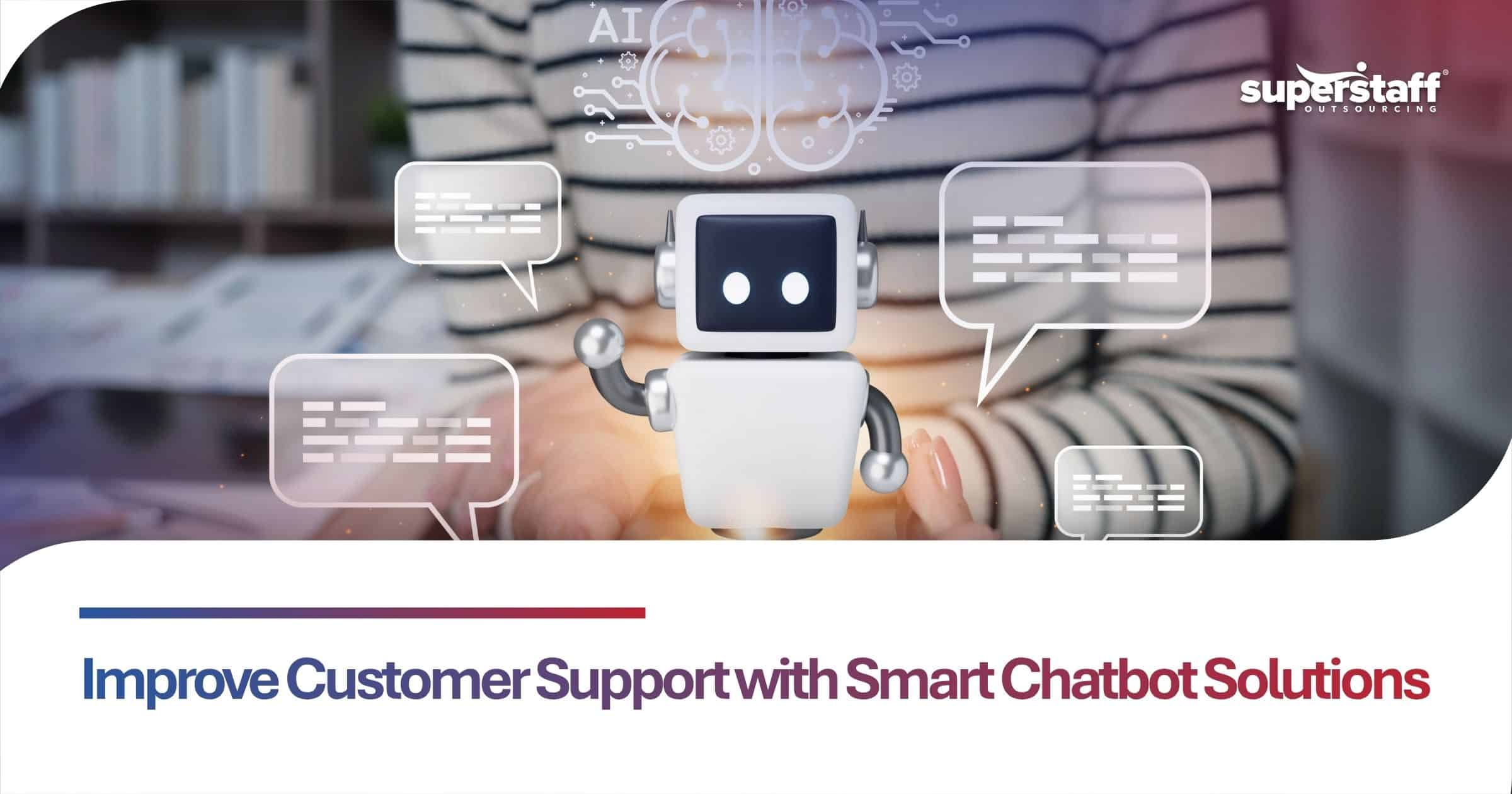
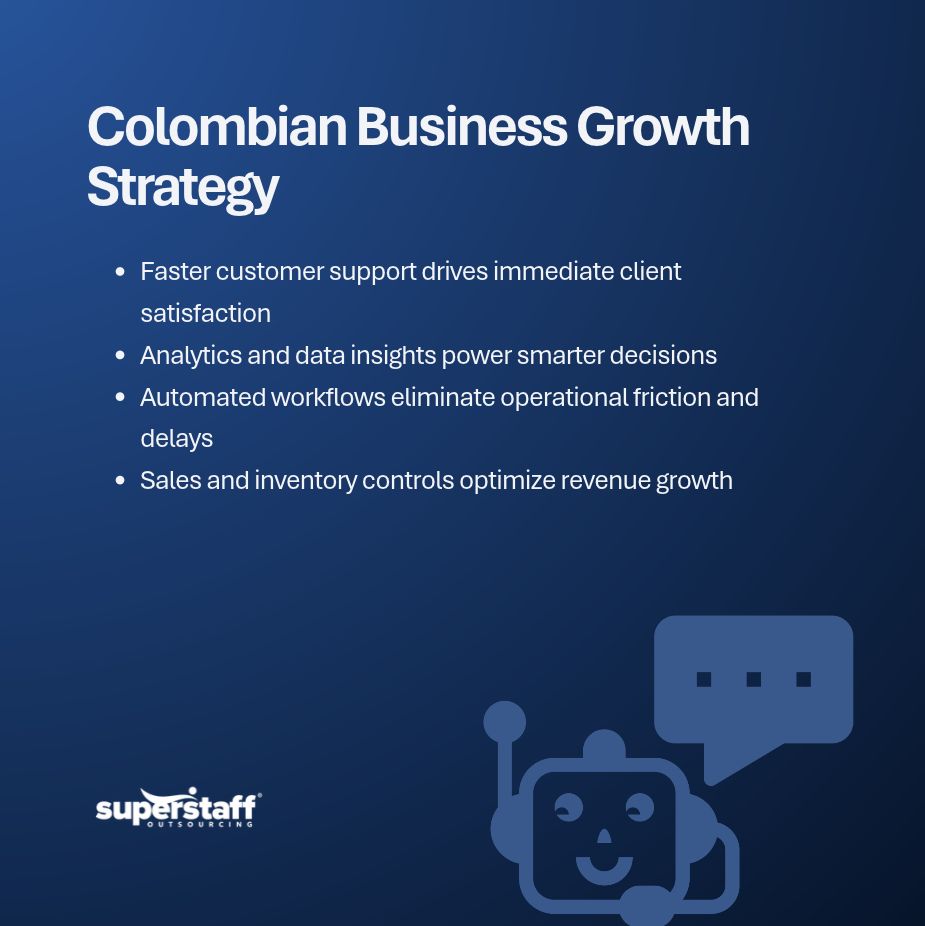
AI-powered chatbots and virtual assistants can answer common questions, provide basic product information, and guide customers through simple requests. This allows human agents to focus on complicated concerns that require personal attention.
2. Data Analysis and Reporting
Businesses collect information from sales, customer interactions, marketing campaigns, and daily operations. Reviewing these records manually can take considerable time.
AI-powered analytics tools help organize large amounts of information and identify patterns. Managers can use these insights to monitor performance, understand customer behavior, and make better business decisions.
3. Sales and Marketing Support
Sales and marketing teams need accurate information to understand what customers want.
AI tools can help analyze buying patterns, organize customer information, and identify potential leads. They can also support campaign planning and content development. As a result, businesses can create more relevant marketing efforts and improve how they approach potential customers.
4. Workflow Automation
Repetitive administrative tasks can take employees away from more important responsibilities.
AI-powered automation can help process documents, organize information, sort requests, and manage routine updates. These tools reduce manual work and help employees complete everyday tasks more efficiently.
5. Inventory and Supply Chain Management
Retailers, manufacturers, and distributors need accurate information to manage stock and deliveries.
AI tools can analyze sales patterns, estimate product demand, and help identify possible inventory shortages. This allows businesses to plan purchases more carefully and avoid having too much or too little stock.
How Colombian Companies Can Use AI Across Their Operations
AI applications are not limited to customer service or marketing. Companies can also use them to improve internal processes and support employees across different departments.
Here are some practical examples.
- Retail and e-commerceOnline stores can use AI to recommend products, analyze customer preferences, and support order inquiries. Retailers can also use demand forecasts to improve inventory planning.
- Financial servicesFinancial companies can use AI to review transaction patterns, organize customer information, and flag unusual activities for further investigation. Human review remains important when decisions involve financial risks.
- Healthcare administrationHealthcare providers can use AI to organize administrative information, assist with appointment requests, and support documentation workflows. Clinical decisions should remain with qualified healthcare professionals.
- Logistics and transportationLogistics companies can use AI to analyze delivery patterns, estimate demand, and support route planning. These applications can help improve scheduling and resource allocation.
- TelecommunicationsTelecommunications providers can use AI to classify customer inquiries, identify recurring service issues, and assist support agents with relevant information. This helps teams manage large volumes of customer requests.
Improving Data Quality for Better AI Results
AI tools depend on the information they receive. If business records are incomplete, outdated, or inconsistent, the results may not be useful. This is why data quality should be part of every AI implementation plan.
Companies need accurate customer records, organized documents, and reliable datasets before using AI for more advanced tasks. They should also establish procedures for checking information and correcting errors.
For businesses developing machine learning applications, data preparation is particularly important. AI data annotation outsourcing helps organizations prepare and label datasets so machine learning models can recognize patterns and produce more reliable results.
Without proper data management, companies may spend money on technology that does not deliver the expected improvements.
The Business Benefits of AI Adoption
When companies apply AI to the right tasks, the benefits can extend across several departments. However, results depend on how well the technology fits existing workflows and how employees use it.
1. Faster Customer Responses
Automated systems can handle common inquiries at any time of the day. Customers can receive basic information without waiting for an available employee. Human agents can then focus on requests that need more attention.
2. Better Use of Employee Time
AI can take care of repetitive tasks such as sorting information, preparing summaries, and organizing records. Employees can spend more time on customer relationships, planning, and problem-solving.
3. More Informed Business Decisions
Data analysis tools help managers review performance and identify changes in customer demand. With better information, companies can make decisions based on actual business activity rather than assumptions.
4. Improved Process Consistency
Automation helps standardize routine tasks. When businesses use clear rules and proper quality checks, they can reduce variations in how employees complete certain processes.
5. Support for Business Expansion
Growing companies often face higher workloads and more complex operations. AI can help manage additional information and routine tasks without requiring the same increase in manual work.
Why Human Oversight Still Matters
Although AI can handle many routine activities, businesses should not rely on automated systems for every decision. Some requests require context, personal understanding, and professional judgment.
For example, an automated customer service system may answer basic questions, but a human agent should handle sensitive complaints or unusual situations. Similarly, AI-generated reports should be reviewed before managers use them to make major business decisions.
Companies should establish clear rules for when employees need to review, approve, or correct AI-generated results. This approach helps prevent errors and keeps responsibility clear.
A human-in-the-loop approach to AI workflows explains how businesses can combine automation with human review. This allows technology to handle routine work while employees remain involved in decisions that require judgment.
Choosing the Right AI Solutions for Your Business
Not every company needs the same technology. Before investing in new tools, business leaders should identify their main problems and determine which applications can address them.
Consider these steps when choosing AI solutions.
- Identify areas that need improvementReview daily operations and look for tasks that take too much time. Common examples include customer inquiries, data entry, reporting, and document processing.
- Set clear business goalsDecide what the company wants to achieve. This could include shorter response times, fewer manual errors, better reporting, or improved customer satisfaction.
- Check compatibility with existing systemsNew tools should work with the software and platforms employees already use. Good integration helps avoid unnecessary disruptions and reduces the need for duplicate data entry.
- Consider future business needsChoose tools that can support additional users, larger workloads, and new business requirements as the company grows.
- Train employees before implementationEmployees need to understand how the technology works and when they should use it. Training also helps prevent misuse and encourages better adoption across departments.
- Measure the resultsTrack relevant performance indicators before and after implementation. Review productivity, operating costs, response times, and customer feedback to determine whether the investment is delivering value.
Where Outsourcing Fits Into AI Adoption
Technology alone does not guarantee better business results. Companies also need people who can manage customer interactions, organize information, review outputs, and support the processes connected to AI tools.
This is where outsourcing can help. Businesses can work with external teams to support data management, customer service, technical assistance, and other operational tasks.
For companies in Colombia, outsourcing also provides access to professionals who can support business operations without requiring every position to be managed internally. AI outsourcing services can help organizations access support for AI-related projects and other technology-driven business needs.
Combining the right tools with trained employees gives companies a more practical way to manage growing workloads and maintain service quality.
Preparing Your Business for Long-Term AI Growth
AI adoption requires more than choosing software and putting it into operation. Companies need to review their processes, prepare their employees, and establish clear standards for using technology.
Start with tasks that have clear requirements and measurable results. Once these applications work well, businesses can consider expanding AI use to other departments.
Regular reviews are also important. Companies should check whether their tools remain useful, whether employees need additional training, and whether automated processes continue to meet business requirements.
For Colombian companies, a gradual and well-planned approach can make AI adoption easier to manage. It also helps prevent unnecessary spending on tools that do not address actual business needs.
Help Your Business Stay Competitive With the Right Support
AI business solutions can help Colombian companies improve customer service, organize operations, and make better use of business information. However, successful adoption also depends on having the right people and processes in place.
SuperStaff helps businesses build dedicated support teams that can assist with customer service, back-office operations, data-related tasks, and other business functions. Our teams work alongside your existing operations to help manage workloads and support your business goals.
If your company is looking for ways to improve efficiency and strengthen its operations, contact SuperStaff to discuss a support solution that fits your needs.