Managing a growing workforce becomes more challenging when multiple staffing agencies, contractors, and suppliers are involved. Without a centralized process, businesses may struggle to track worker information, monitor supplier performance, and maintain consistent reporting. As operations expand, these challenges can lead to delays, higher costs, and limited visibility.
A vendor management system (VMS) helps address these issues by bringing workforce and supplier information into one platform. Instead of relying on separate spreadsheets or manual updates, businesses can manage contingent workers, review supplier performance, and monitor important workforce data in one place. This gives managers better control over staffing activities and helps leaders make decisions based on accurate information.
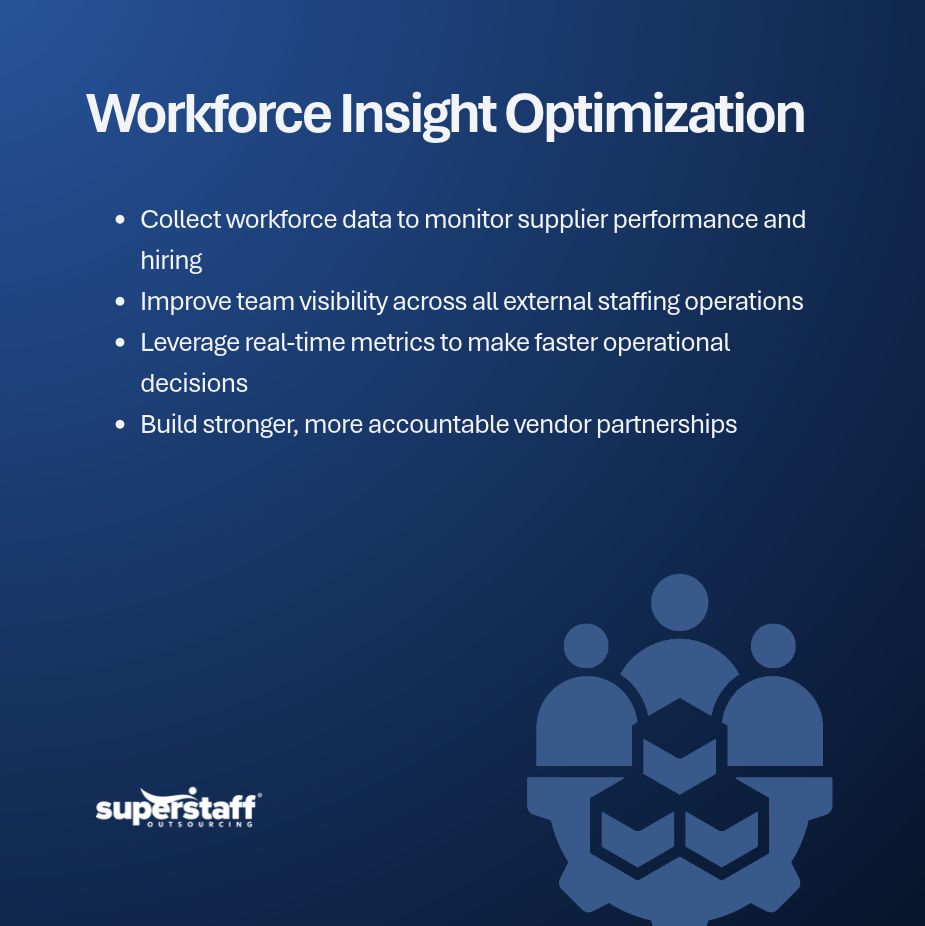
Why Workforce Visibility Matters
Clear visibility allows businesses to understand how their workforce performs and where improvements are needed. A structured approach also helps managers make informed staffing decisions.
Track Workforce Activity in One Place
Managing workers across different suppliers can become confusing without centralized data. Important details such as assignments, schedules, contract information, and worker status may be scattered across multiple systems.
A vendor management system organizes these records into a single platform. Managers can access workforce information more easily and spend less time checking separate files. This is especially useful for businesses managing several external providers, where vendor management outsourcing can also help improve oversight and communication.
Improve Workforce Planning
Businesses often experience changes in staffing requirements throughout the year. Some departments may require temporary workers, while others need long-term contract support.
With better visibility, managers can review current staffing levels, identify gaps, and forecast hiring needs more accurately. This helps businesses prepare for changes in demand without hiring too many or too few workers.
Monitor Workforce Performance
Tracking workforce performance becomes easier when data is collected consistently. Managers can review attendance, productivity, assignment completion, and other relevant measures without waiting for manual reports.
Regular monitoring also helps identify areas that require additional support. Consequently, businesses can address performance concerns earlier and improve workforce efficiency over time.
Support Better Decision-Making
Business leaders depend on reliable information when making staffing decisions. Without accurate reports, planning becomes more difficult, and managers may rely on outdated figures.
A centralized system can provide current workforce insights through dashboards and reports. Therefore, managers can review staffing trends, compare supplier results, and make decisions based on available data.
Strengthen Compliance
Managing contract workers often involves documentation, certifications, and policy requirements. Missing records or expired credentials can create unnecessary compliance risks.
A vendor management system can help organize important workforce documents and track required information. As a result, businesses have a clearer record of worker status and supplier compliance.
How a Vendor Management System Improves Supplier Performance
Suppliers play an important role in workforce success. However, businesses need reliable ways to evaluate their performance and maintain consistent service standards.
Create Clear Performance Expectations
Strong supplier relationships begin with clearly defined expectations. Businesses should establish measurable performance standards before work begins.
Common supplier metrics include:
- Fill rate
- Response time
- Worker retention
- Quality of candidates
- Time to hire
- Compliance performance
- Contract fulfillment
These measurements create greater accountability for every supplier. They also give businesses a consistent basis for reviewing whether providers meet agreed requirements.
Compare Supplier Results
Not every staffing provider delivers the same level of service. Therefore, businesses should regularly compare supplier performance using objective data.
A vendor management system can generate performance reports that highlight supplier strengths and areas for improvement. The Chartered Institute of Procurement and Supply also recommends using agreed targets, supplier scorecards, and performance reports to assess service quality and identify areas for improvement in its supplier performance management guidance.
Improve Communication
Communication gaps often slow hiring and workforce management. Delayed updates can affect staffing schedules, project timelines, and the availability of qualified workers.
Centralized communication tools help suppliers and hiring managers stay aligned. They can use shared records and updates to track requests, address concerns, and coordinate next steps. As a result, businesses can reduce misunderstandings and improve response times.
Increase Transparency
Transparency builds stronger supplier relationships. When everyone works from the same information, expectations remain consistent throughout the hiring and management process.
Suppliers also gain a clearer understanding of how their performance is measured. This allows them to identify gaps and make improvements based on specific feedback.
Encourage Healthy Competition
Performance data allows businesses to recognize high-performing suppliers while identifying those that need improvement.
This visibility encourages suppliers to maintain service quality and meet agreed targets. Consequently, businesses can build a more reliable supplier network and make better use of their staffing partnerships.
Features That Add Business Value
A vendor management system offers several tools that simplify workforce management while improving operational efficiency.
Centralized Workforce Data
A single platform can store worker profiles, contracts, supplier information, and performance records. Therefore, businesses spend less time searching for information across multiple systems.
Centralized records also help reduce duplicate entries and improve data consistency. Managers can use these records to review assignments, check contract details, and monitor workforce changes.
Automated Reporting
Manual reporting often consumes valuable administrative time. Automated reports make it easier to collect and review workforce information without preparing every update from scratch.
Managers can use these reports to review hiring trends, supplier performance, and workforce costs. Consequently, they can identify patterns and respond to operational issues more quickly.
Better Cost Control
Businesses need visibility into labor expenses across different suppliers. Without accurate reporting, overspending and billing discrepancies can be difficult to detect.
A vendor management system can track rates, hours, invoices, and other workforce expenses. As a result, organizations can compare actual spending against their budgets and identify areas where costs need attention.
For companies managing several purchasing and supplier relationships, procurement outsourcing services can also support vendor coordination, contract management, and cost control.
Faster Hiring Processes
Hiring delays affect productivity and service delivery. Streamlined workflows help businesses move qualified candidates through the hiring process more efficiently.
Automation can also reduce repetitive administrative tasks, such as routing requests, collecting documents, and updating candidate records. Therefore, recruitment teams can spend more time evaluating candidates and coordinating with hiring managers.
Scalable Workforce Management
Business needs continue to change as organizations grow. Workforce management processes should support expansion without adding unnecessary administrative work.
A flexible vendor management system allows businesses to manage additional suppliers, workers, and locations through a centralized platform. This makes it easier to maintain consistent processes as staffing requirements increase.
Best Practices for Successful Implementation
Technology delivers better results when businesses follow a structured implementation plan. Before introducing a vendor management system, organizations should review their current processes and identify the problems they want the platform to address.
Consider these best practices:
- Define workforce management goals before implementation.
- Select performance metrics that match business priorities.
- Review existing supplier agreements and workflows.
- Train managers and suppliers on system processes.
- Keep workforce data accurate and updated.
- Set clear access permissions for sensitive information.
- Review supplier performance regularly.
- Use reporting insights to improve future hiring decisions.
Businesses should also evaluate whether the system can support their existing HR, procurement, and finance tools. Integration requirements, reporting features, data security, and supplier access should be considered before selecting a platform.
For organizations that need additional help finding and onboarding qualified employees, Recruitment Process Outsourcing services can provide support with sourcing, screening, and recruitment coordination.
Smarter Workforce Management Starts Here
Managing contingent workers and multiple suppliers requires visibility, consistency, and reliable reporting. A vendor management system gives businesses tools to track workforce activity, evaluate supplier performance, and improve staffing decisions. Instead of relying on manual processes, organizations can gain better control over their workforce and build stronger supplier relationships.
SuperStaff helps businesses manage staffing and operational needs through recruitment and outsourcing support. Whether you need help with candidate sourcing, screening, onboarding, or building a dedicated team, our team can discuss solutions that match your requirements.
Contact SuperStaff to discuss your workforce needs and find the right support for your business.