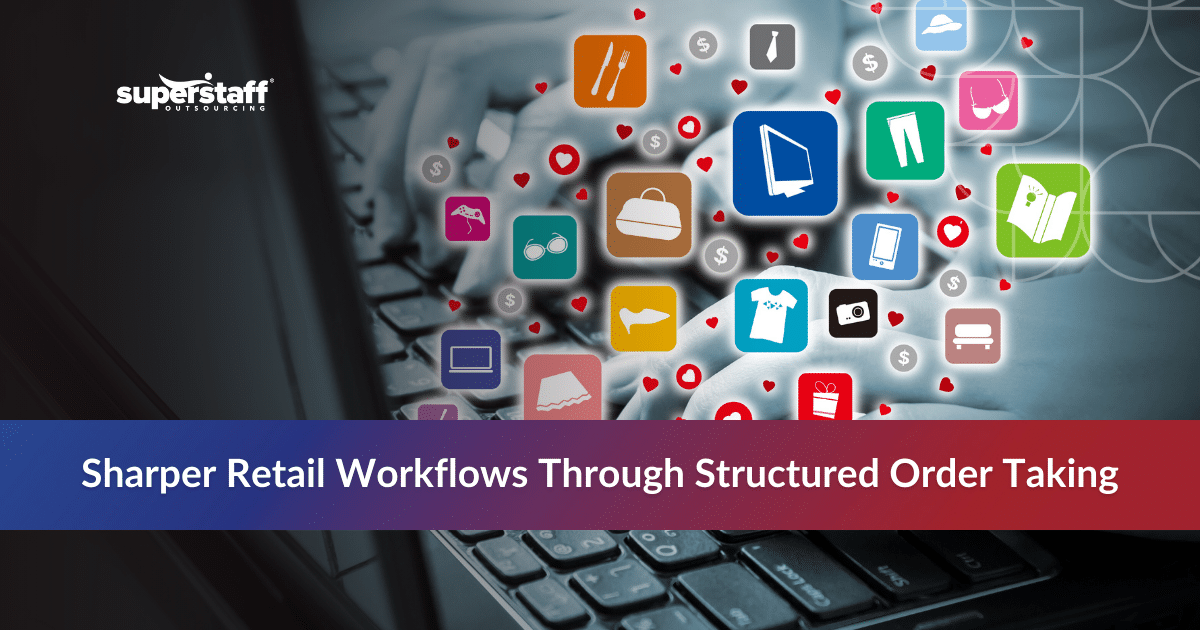
Retail businesses move fast, and customers expect clear product details and quick order confirmation every time they reach out. When call volumes rise or staff numbers drop, simple tasks can slow down the entire process. This often creates long wait times, order errors, and confusion inside the team.
Many retailers now use inbound order-taking services to keep operations steady, manage requests smoothly, and maintain accuracy during busy periods. This approach gives teams a practical way to handle customer needs while staying focused on core store tasks. With the right structure in place, retail companies improve service quality, reduce delays, and create a smoother workflow from start to finish.
Why Retailers Rely on Order Taking Support
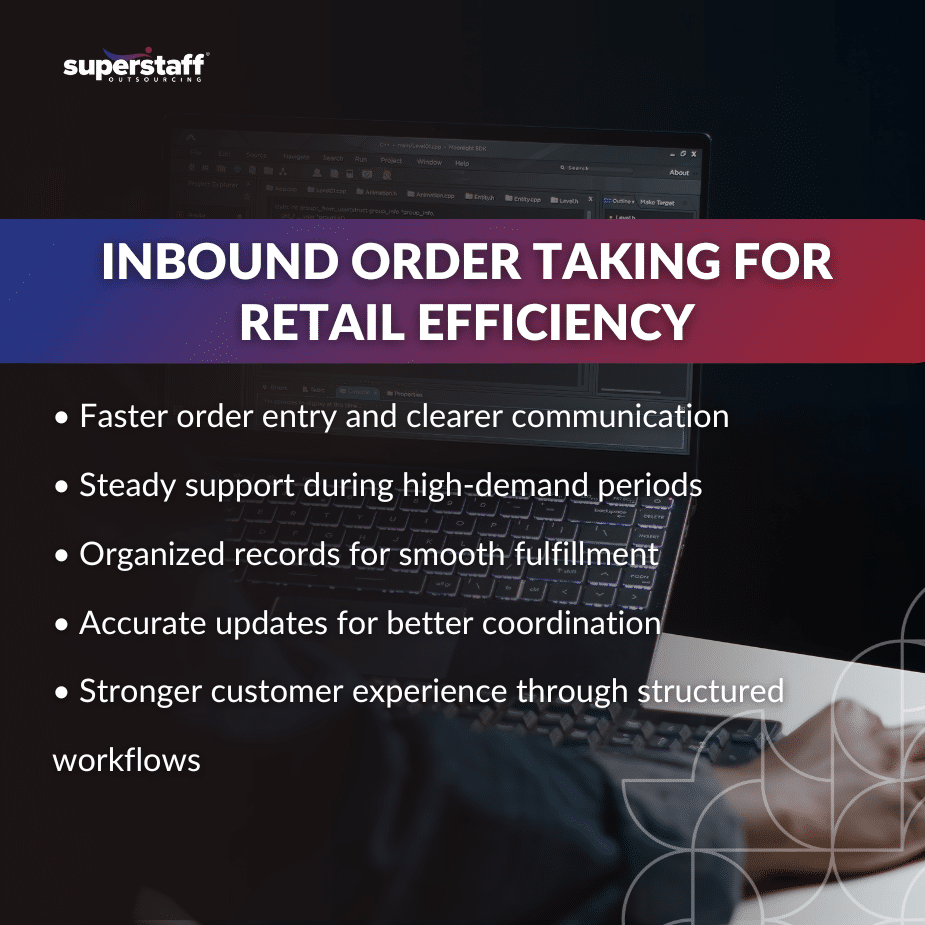
A strong order-taking system helps retail teams work faster and maintain organized communication.
1. Managing Customer Requests Clearly
Inbound order-taking services help agents answer questions quickly and guide customers through simple steps. This creates smoother transactions and helps reduce confusion between what customers want and what the store delivers.
2. Reducing Pressure on In-House Teams
Retail staff often deal with store operations, inventory checks, and customer movement on the floor. When inbound order-taking services handle calls and online requests, in-house teams work more efficiently because they focus on their main tasks.
3. Maintaining Accurate Communication
A structured order-taking process prevents message gaps. With inbound order-taking services, customers receive consistent information about pricing, availability, delivery options, and promotions.
4. Supporting Peak Seasons
Retailers often face higher activity during holidays or sale periods. Inbound order-taking services help manage the extra workload so teams avoid long queues and slow processing speeds.
5. Creating Stable Order Documentation
Inbound order-taking services use clear recording procedures to capture all order details. This helps retail teams validate information quickly and avoid missing data during fulfillment.
Key Benefits of Structured Order Taking
Retail workflows improve when order-taking processes follow clear routines.
1. Faster Order Processing
Inbound order-taking services rely on organized steps that help agents record information accurately. As a result, orders move through the system faster and without unnecessary delays.
2. Reduced Manual Tasks
Retail teams often spend time on updates, clarifications, or repeated calls. When inbound order taking services handle these steps, employees focus on tasks that need on-site attention.
3. Improved Coordination
Inbound order-taking services ensure that customer notes, changes, and special requests reach the correct person. This prevents bottlenecks and strengthens coordination between the order desk, warehouse, and fulfillment team.
4. Consistent Customer Coverage
Since inbound order-taking services operate on scheduled hours, retailers maintain steady customer support even during unexpected rush periods or staff shortages.
5. Better Inventory Awareness
Inbound order-taking services help teams input data correctly, which improves the inventory view. With more accurate numbers, retail staff make better stock decisions.
Factors to Review Before Using Order Taking Support
Retailers must check several elements before choosing a vendor.
1. Communication Workflows
Retailers should confirm how teams pass information between departments. Strong communication routines help reduce errors and support smoother updates.
2. Integrated Tools
Inbound order-taking services work best when systems connect properly. Tools that share customer info, product lists, and order status updates help avoid repeated steps.
3. Data Safety
Retailers must protect customer details. Secure systems, controlled access, and reliable communication channels prevent unwanted risks.
4. Defined Roles
When vendors and in-house staff know their responsibilities, the process works faster. Clear roles also decrease duplicate work and confusion.
5. Training Plans
Inbound order-taking services require updated product knowledge. Regular training ensures that agents provide accurate information and follow current procedures.
6. Performance Checks
Vendors often track call handling, order accuracy, and response times. These reports help retailers review progress and adjust workflows.
7. Scalable Support
Retailers benefit from vendors that offer flexible staffing for sales events, seasonal activity, and new store launches.
How Order Taking Improves Daily Retail Operations
Inbound order-taking services support everyday tasks by organizing interactions from the first inquiry to the final delivery.
1. Handling Calls Smoothly
Agents guide customers through product questions, order status checks, and delivery instructions. This creates a consistent experience across all communication channels.
2. Precise Order Entry
Trained staff capture details in real time, which helps prevent errors that may appear later during fulfillment.
3. Updated Inventory Records
Inbound order-taking services notify teams when items go low or are out of stock. Timely updates prevent incorrect listings and overselling.
4. Reduced Backlogs
When teams document details correctly, managers avoid unnecessary follow-ups. This helps the overall workflow stay organized.
5. Effective Department Coordination
Because information moves clearly between support agents and store teams, fulfillment teams work faster and respond more accurately to customer needs.
Use Cases for Retail Order Taking
Retailers apply inbound order taking services in many daily situations.
• Phone-Based Order Placement
Customers confirm product details and place orders in one interaction.
• Order Changes
Agents update sizes, quantities, or delivery instructions quickly.
• Product Availability Requests
Customers receive immediate updates about what is currently in stock.
• Payment Support
Agents guide customers through billing details and payment confirmations.
• Delivery Tracking
Inbound order taking services help customers check the status of their shipments.
• Returns and Exchanges
Agents guide customers through store policies and next steps.
• Promotional Order Handling
Teams manage inquiries about discounts and limited-time offers.
• Seasonal Surge Management
Extra support ensures shorter customer wait times during peak months.
How Inbound Teams Support Internal Retail Staff
Inbound order taking services help internal teams manage workloads with less pressure.
1. More Time for Store Tasks
When calls move to external teams, staff focus on stocking, selling, and assisting walk-in customers.
2. Fewer Repeated Corrections
Accurate records reduce time spent fixing errors or clarifying old orders.
3. More Reliable Reports
Vendors provide updates on performance, volume trends, and customer behavior. Managers use these insights to plan schedules and stocks.
4. Better Customer Experience
Consistent replies reduce confusion and help customers trust the overall process.
5. Smoother Workload Distribution
Teams coordinate more efficiently because responsibilities remain clear.
Choosing a Reliable Partner
Retailers who want strong results often evaluate the following:
- Experience in retail workflows
• Clear communication guidelines
• Reliable order management tools
• Secure data processes
• Transparent pricing
• Scalable service plans
• Structured onboarding and training
Vendors in the Philippines often meet these needs because the country has strong experience in call center outsourcing Philippines and order processing support Philippines. These strengths explain why companies outsource order taking tasks to the Philippines.