Customers expect their orders to arrive on time, in good condition, and with accurate delivery updates. However, the final stage of the delivery process can be difficult to manage. Traffic, incorrect addresses, driver shortages, failed delivery attempts, and rising transportation costs can all affect performance. These last-mile delivery challenges can increase operating expenses, frustrate customers, and put pressure on logistics teams.
Businesses are responding by improving route planning, using delivery data, communicating more clearly with customers, and getting additional operational support. They are also reviewing how their teams handle delays and delivery exceptions. By addressing problems early, companies can make deliveries more reliable while keeping costs under control.
Common Last-Mile Delivery Challenges
The final stage of delivery involves several moving parts. Drivers, dispatch teams, warehouses, and customers all need accurate information to keep orders moving. A problem at any point can affect the delivery schedule and create extra work.
A recent SCMAP report on last-mile delivery highlights how inefficient routing, failed deliveries, rescheduling, and customer inquiries add to logistics costs. These problems show why businesses need to look beyond transportation expenses when reviewing delivery performance.
1. Traffic and Route Delays
Heavy traffic can cause drivers to fall behind schedule. Road closures, accidents, bad weather, and unexpected stops can make it difficult to reach several delivery locations on time.
When routes are not planned properly, drivers may spend more time on the road and complete fewer deliveries. Businesses need to account for traffic conditions and adjust schedules when unexpected delays occur.
2. Incorrect Delivery Information
Incomplete addresses, incorrect contact details, and unclear delivery instructions can prevent drivers from reaching customers. These problems may lead to additional calls, longer delivery times, or failed attempts.
Businesses can reduce these issues by checking customer information before orders leave the warehouse. Clear instructions also help drivers complete deliveries with fewer delays.
3. Rising Transportation Costs
Fuel, vehicle maintenance, labor, and other transportation expenses can put pressure on logistics budgets. Repeated delivery attempts and poorly planned routes add even more costs.
Companies need to review how they assign deliveries, use vehicles, and manage driver schedules. Small improvements in planning can help reduce unnecessary trips.
4. Delivery Workforce Shortages
Finding and retaining qualified drivers can be difficult, especially during busy seasons. When there are not enough drivers, existing employees may need to handle more deliveries or longer shifts.
This can affect delivery schedules and increase the risk of mistakes. Businesses need a workforce plan that accounts for regular demand as well as seasonal increases.
5. Missed Customer Availability
Customers may not always be available when a delivery arrives. If no one can receive the package, the driver may need to return later, adding time and transportation costs.
Providing estimated arrival times, delivery notifications, and rescheduling options can help customers prepare. These steps also reduce unnecessary delivery attempts.
Why Delivery Visibility Matters
Customers want to know where their orders are and when they can expect them. When tracking information is missing or outdated, they may contact customer service several times to request updates.
Poor visibility also makes it harder for logistics teams to identify delays and take action. Dispatchers may not know that a driver is behind schedule until a customer reports a missed delivery.
Businesses can improve visibility by keeping shipment records updated, monitoring delivery progress, and creating clear procedures for reporting exceptions. When everyone has access to accurate information, teams can respond more quickly and keep customers informed.
Practical Ways to Improve Delivery Performance
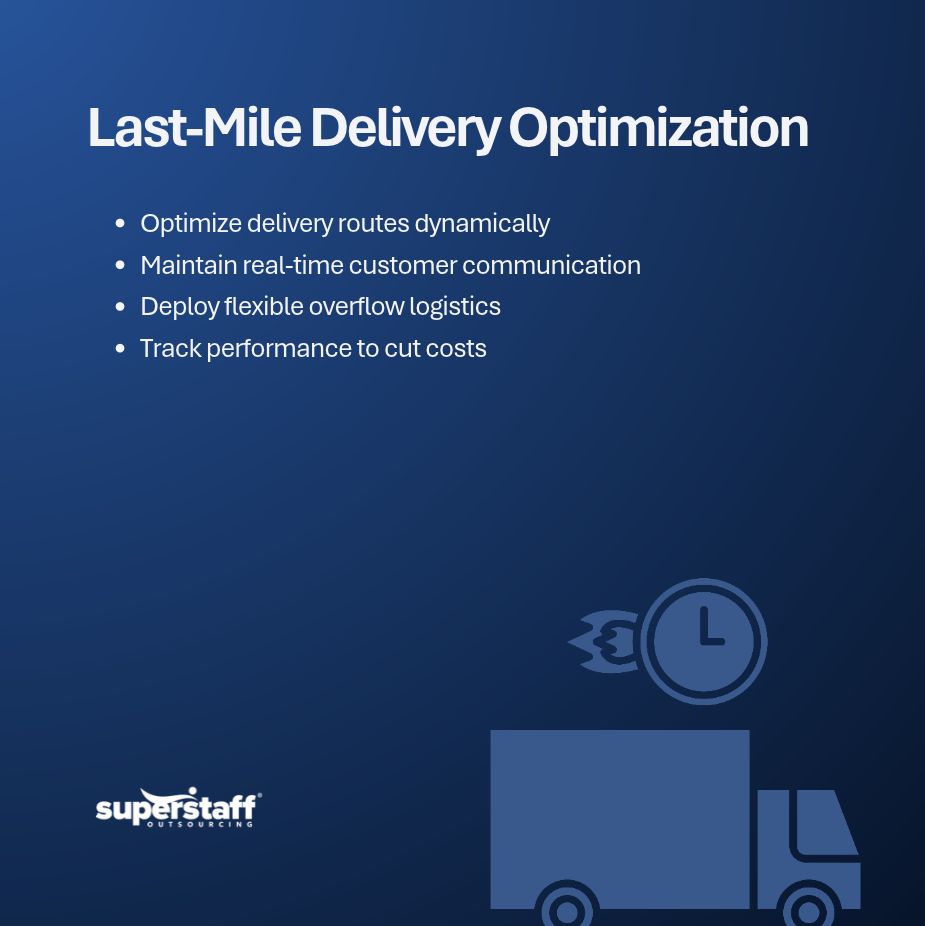
Companies can address many delivery problems by improving how they plan routes, communicate with customers, and monitor daily operations. These changes do not always require major investments. Better coordination and clear procedures can already make a difference.
1. Improve Route Planning
Delivery teams should consider traffic patterns, delivery locations, vehicle capacity, and driver schedules when assigning routes. A well-planned route helps drivers avoid unnecessary travel and complete more stops within their shifts.
Businesses can also use route planning tools to adjust schedules when conditions change. Managers should review delivery records regularly to identify routes that consistently cause delays.
2. Keep Customers Updated
Customers should receive order confirmations, estimated arrival times, and notifications when delivery schedules change. These updates help manage expectations and reduce repeated inquiries.
Businesses should also make it easy for customers to report address changes or request another delivery time. Clear communication can prevent problems before drivers reach the destination.
3. Review Delivery Performance Data
Delivery data helps managers understand where delays and failed attempts happen most often. Useful measures include on-time delivery rates, average delivery time, failed delivery rates, customer complaints, and the number of route changes.
Reviewing these figures regularly allows businesses to identify patterns and make informed decisions. Managers can then adjust schedules, improve driver instructions, or update delivery procedures.
4. Prepare for Busy Periods
Holiday sales, special promotions, and seasonal demand can increase delivery volumes quickly. Businesses should estimate expected order volume and prepare enough drivers, dispatchers, and customer support staff before these periods begin.
Planning ahead helps reduce backlogs and prevents existing employees from becoming overwhelmed.
5. Build Reliable Logistics Partnerships
External logistics and workforce partners can provide additional support when internal teams reach their limits. Depending on the arrangement, they may assist with dispatch coordination, shipment tracking, documentation, and customer inquiries.
Businesses exploring this option can review e-commerce logistics outsourcing for efficient order fulfillment to understand how external support can help manage different stages of the delivery process.
How Outsourcing Helps Address Delivery Challenges
Outsourcing can strengthen logistics operations by giving businesses access to additional people who handle specific tasks. Internal teams can continue managing core logistics activities while external professionals support dispatch, tracking, customer communication, and administrative work.
This approach is especially useful when delivery volumes change throughout the year or when companies need support beyond their regular operating hours.
1. More Consistent Customer Support
Customers often contact businesses to ask about delivery schedules, missing packages, address changes, or shipment delays. If internal teams are already busy, these inquiries can take longer to resolve.
Outsourced customer support representatives can handle routine questions, provide shipment updates, and direct more complex concerns to the appropriate team. This helps businesses maintain communication without adding the same workload to internal employees.
2. Additional Dispatch and Tracking Support
Dispatch teams coordinate drivers, monitor shipments, and respond when delivery plans change. When these responsibilities become difficult to manage, delays and communication gaps may increase.
External support teams can assist with driver updates, load tracking, proof-of-delivery checks, and delivery exception handling. Businesses can learn more about outsourced dispatching and logistics support and how these services help logistics companies manage daily operations.
3. Flexible Support During Peak Demand
Delivery volumes can increase during holidays, sales campaigns, and other busy periods. Businesses may need more people to answer customer inquiries, monitor shipments, and coordinate deliveries.
Outsourcing provides another way to add operational support based on agreed staffing needs. This can help companies manage temporary increases in work without relying entirely on permanent hiring.
4. Faster Administrative Processing
Logistics operations involve more than moving packages. Teams also handle shipment records, delivery reports, invoices, customer details, and other documents.
Additional administrative support can help keep these records organized and up to date. This allows internal logistics employees to spend more time monitoring deliveries and resolving operational issues.
Support for Day-to-Day Logistics Operations
Businesses that need help with dispatch coordination, shipment tracking, and proof-of-delivery checks can consider SuperStaff’s Logistics Support services. These services provide operational support for driver communication, load tracking, and delivery updates.
Clear procedures and performance targets should guide the arrangement. Companies should define how delivery exceptions are reported, when issues need to be escalated, and which team is responsible for updating customers.
What Businesses Should Measure After Improving Delivery Operations
Making changes to logistics processes is only useful if businesses can see whether those changes are working. Managers should compare delivery results before and after introducing new tools, procedures, or external support.
They can review on-time delivery rates, failed delivery attempts, average response times, customer complaints, and cost per delivery. These measures help identify which improvements are producing results and where further changes may be needed.
Regular reviews also help businesses adjust their delivery strategy as customer expectations and order volumes change.
Deliver Better Service Through Smarter Logistics
Last-mile delivery challenges affect more than transportation schedules. They can increase operating costs, create extra work for employees, and leave customers with a poor impression of the business. Companies that improve route planning, delivery visibility, customer communication, and workforce support can make their operations more reliable.
SuperStaff helps businesses manage logistics workloads through dispatch assistance, shipment tracking, customer service, and back-office support. Whether you need help handling delivery inquiries or coordinating daily logistics tasks, our team can support your operations with flexible outsourcing solutions. Contact SuperStaff to discuss your logistics needs and find the right support for your business.