
Strong business relationships often decide the success or failure of an outsourcing partnership. When communication is clear, trust is strong, and collaboration is consistent, both client and provider perform better. This is where a client relationship partner makes a difference.
A client relationship partner ensures that both sides work toward the same goals, address concerns promptly, and maintain quality over time. Instead of focusing only on numbers or reports, they build relationships that lead to real, measurable outcomes. Many companies see stronger client retention and smoother service delivery because their client relationship partners focus on alignment, transparency, and shared progress.
The Role and Value of a Client Relationship Partner
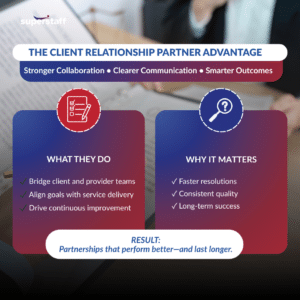
A client relationship partner bridges the gap between clients and service teams. Their job is to make sure the partnership works efficiently and supports long-term success.
1. Understanding the Client’s Vision
A client relationship partner learns about the client’s goals, culture, and business structure. This helps them guide the outsourcing team in meeting specific expectations and ensuring every task supports the client’s larger objectives.
2. Maintaining Clear Communication
Communication issues often cause performance gaps. The CRP ensures that both sides stay updated through regular meetings, reports, and discussions. They create channels where information flows easily and decisions are made faster.
3. Aligning Service Delivery with Strategy
The CRP ensures that outsourcing operations match the client’s priorities. For example, if the client’s goal is efficiency, the CRP focuses on productivity improvement. If the goal is customer satisfaction, they work on service quality.
4. Monitoring and Reporting Results
A client relationship partner reviews performance metrics, client feedback, and service quality reports. They interpret these data points and present insights that help both sides understand progress and areas for improvement.
5. Building Long-Term Collaboration
The CRP focuses on relationship building. By understanding what motivates the client, they can maintain a partnership based on trust, consistency, and shared accountability.
Client Relationship Partner vs. Account Manager
Although both roles seem similar, they have different purposes in outsourcing management.
1. Focus and Function
- Account Manager: Handles day-to-day operations, task monitoring, and issue tracking.
- Client Relationship Partner: Works on long-term growth, strategy, and partnership development.
2. Communication Scope
The account manager manages internal coordination, while the CRP handles higher-level communication between executives and key decision-makers.
3. Time Horizon
Account managers solve short-term challenges. CRPs focus on sustainable progress and future opportunities.
4. Value Contribution
While account managers keep things running smoothly, CRPs ensure that operations contribute to business goals and client satisfaction.
5. Collaboration
Both work closely. The account manager supports execution, and the client relationship partner ensures the relationship stays strong and goal-oriented.
How Client Relationship Partners Improve Service Outcomes
The question of “How client relationship partners improve service outcomes” can be answered through their direct involvement in performance management, collaboration, and strategy.
1. Setting Measurable Goals
They set clear expectations with both sides to avoid confusion and ensure accountability.
2. Encouraging Open Feedback
CRPs create a culture of transparency by encouraging feedback and ensuring all voices are heard.
3. Coordinating Quick Resolutions
They help resolve issues faster by connecting the right people and removing communication barriers.
4. Tracking Progress Regularly
By using consistent reports and check-ins, a client relationship partner keeps everyone informed about milestones and next steps.
5. Driving Continuous Improvement
CRPs work with teams to apply client feedback, refine processes, and introduce improvements that increase efficiency.
Key Qualities of an Effective Client Relationship Partner
A strong CRP combines communication, leadership, and analytical skills to maintain successful outsourcing partnerships.
1. Communication and Interpersonal Skills
Clear communication helps prevent misunderstandings and ensures all parties stay aligned.
2. Strategic Thinking
A client relationship partner looks beyond daily operations to find ways to create lasting value.
3. Problem-Solving Ability
They handle challenges calmly and find balanced solutions that benefit both client and provider.
4. Accountability and Transparency
Clients appreciate honesty, especially in performance discussions. CRPs maintain transparency in every stage of the process.
5. Business Knowledge
Understanding business functions allows CRPs to connect operational work with larger company goals.
Benefits of Having an Outsourcing Client Relationship Partner
Working with an outsourcing client relationship partner brings measurable advantages to both the client and the provider.
For Clients
- Consistent communication and faster response to issues
- Service adjustments based on goals and feedback
- Improved client retention and trust over time
- Clear understanding of performance metrics
For Providers
- Deeper insight into client expectations
- Better coordination between departments
- Higher satisfaction scores and long-term contracts
- Stronger reputation through reliable service quality
By strengthening these connections, the CRP ensures that both sides benefit from the relationship.
Best Practices for Maintaining Strong Partnerships
A good partnership is built on consistent effort and collaboration. CRPs use structured practices to keep the relationship effective and transparent.
1. Regular Review Meetings
These sessions help evaluate progress and discuss new business needs.
2. Shared Performance Dashboards
Both sides should have access to performance data to build accountability.
3. Feedback Channels
Having open channels for suggestions helps improve services continuously.
4. Goal Alignment Workshops
These workshops align operational goals with business strategies.
5. Recognition of Achievements
Celebrating milestones keeps morale high and motivates both teams to keep improving.
The Growing Importance of the CRP Role
As outsourcing becomes more integrated with core business functions, the client relationship partner has become essential to maintaining stable, value-driven partnerships. Companies now expect their providers to understand their goals, challenges, and expectations.
CRPs meet this need by combining strategic insight with reliable communication. They use data, client feedback, and collaboration tools to guide both teams toward shared success. Over time, their involvement results in stronger partnerships, better performance, and more sustainable growth.
Strengthening Relationships, Strengthening Results
A strong partnership starts with a trusted connection. The client relationship partner helps build that connection by combining communication, analysis, and collaboration in one role. They ensure that both client and provider work toward a shared purpose and that challenges are handled with clarity and speed.
SuperStaff values the importance of having a dedicated CRP to guide every partnership. Our teams focus on alignment, service quality, and measurable results that support your business goals.
Reach out to us today to learn how our client relationship partners can help strengthen your outsourcing relationships and drive consistent, long-term success.