AI can process thousands of records, answer customer questions, review documents, and make recommendations within seconds. However, speed does not guarantee that every output is correct. A wrong answer, missed detail, or unusual case can quickly become a business problem.
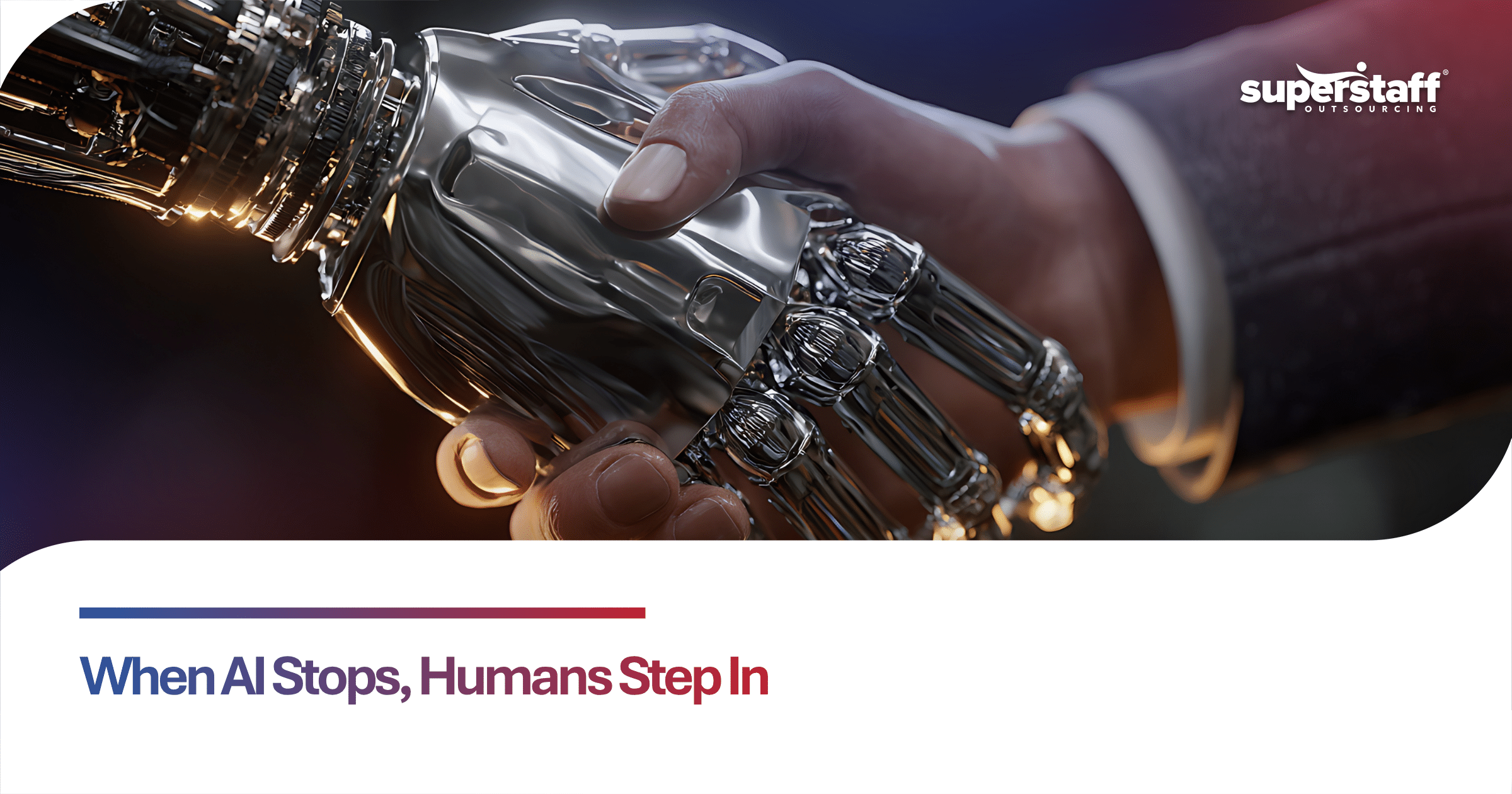
That is where human-in-the-loop, or HITL, becomes useful. Instead of allowing AI to handle every task alone, businesses place people at selected points where review and judgment matter. This approach can reduce AI operational risk without removing the speed and efficiency that automation provides. The key is knowing where human review adds real value. Companies need people at points where errors could affect customers, money, data, compliance, or important business decisions.
Where AI Operational Risk Needs Human Review
Not every automated task requires constant supervision. However, businesses should add human review when an AI error could create serious financial, legal, or customer problems. The NIST AI Risk Management Framework offers guidance for identifying and managing risks associated with AI systems.
1. High-Impact Business Decisions
AI can analyze data and recommend actions, but people should review decisions with major consequences. For example, businesses may use AI to support lending, insurance, hiring, or account decisions.
Human reviewers can check whether the recommendation fits the available facts. They can also identify unusual details that the system may not handle correctly.
2. Customer-Facing AI Responses
Chatbots and virtual assistants can answer common questions quickly. However, they may misunderstand complex requests or provide inaccurate information when the situation falls outside their training.
Therefore, businesses should create clear escalation rules. A human agent can take over when the AI detects uncertainty, receives a complaint, or handles a sensitive request.
3. Financial Transactions
AI can support invoice processing, payment reviews, fraud detection, and expense management. Yet an incorrect flag or approval can delay payments or create financial losses.
Human reviewers can examine unusual transactions before the system takes further action. As a result, businesses can automate routine work while keeping additional controls around higher-risk transactions.
4. Sensitive Data Handling
AI systems may process personal, financial, medical, or confidential business information. Mistakes involving this data can create privacy and compliance concerns.
For this reason, businesses can assign trained employees to review sensitive workflows. They can check whether systems follow internal policies and handle information correctly.
5. Unusual or Unclear Cases
AI usually performs best when it encounters patterns similar to its training data. However, unusual cases may produce weak or unexpected results.
Human reviewers can assess cases that fall outside normal conditions. Consequently, companies can reduce AI operational risk without manually checking every routine transaction.
How Human Review Improves AI Operations
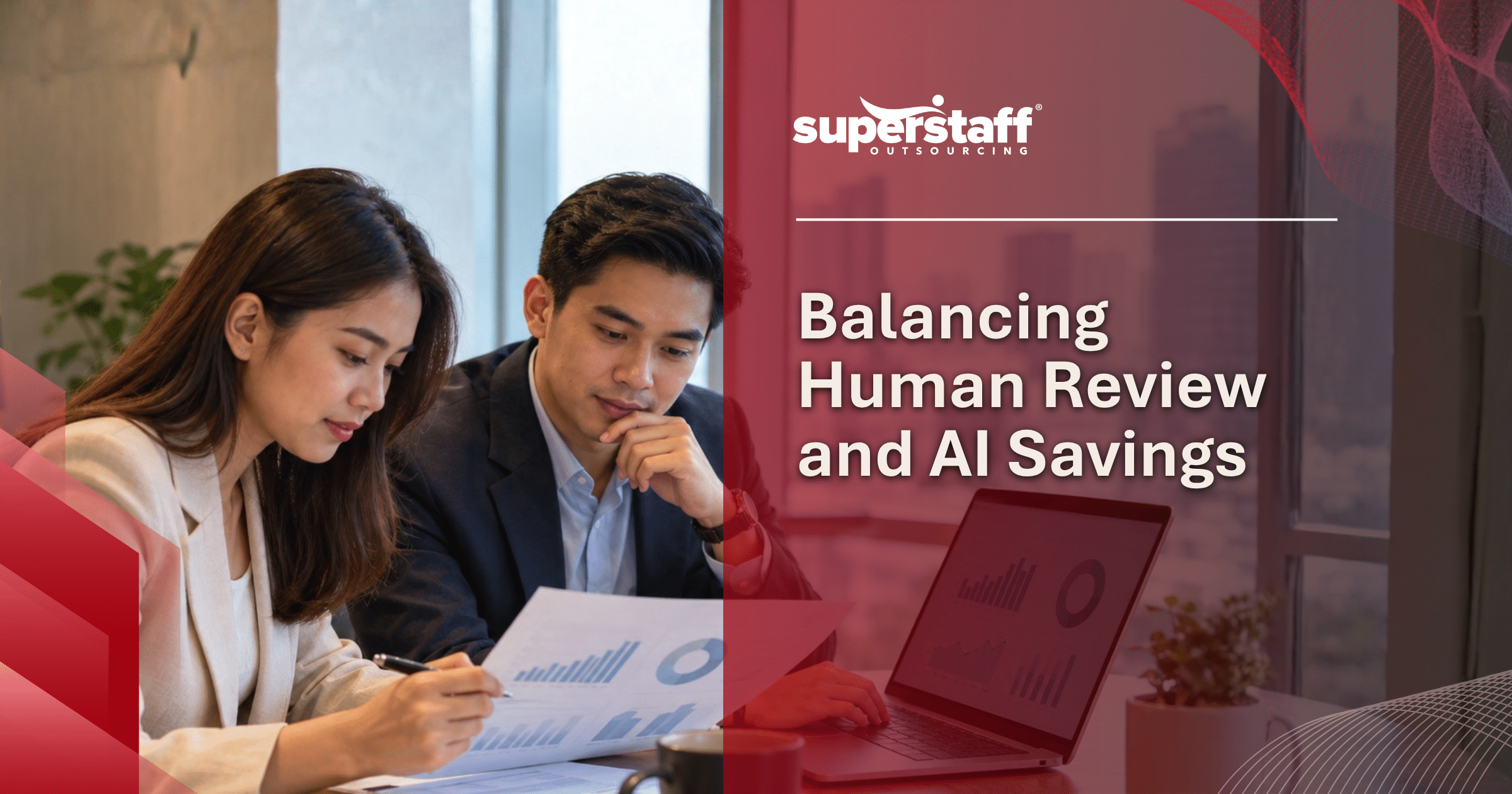
Human-in-the-loop does more than correct mistakes after they happen. When businesses design the process well, human feedback can improve how automated systems perform over time. A structured human-in-the-loop outsourcing model can help businesses combine automated processing with trained reviewers and clear quality controls.
1. People Check AI Outputs
AI can generate answers that appear reasonable even when some details are wrong. Therefore, businesses can require review before using outputs in sensitive situations.
Employees can verify facts, calculations, customer details, or recommendations. This extra check helps stop incorrect information from moving further through a business process.
2. Reviewers Handle Exceptions
Automated systems can manage predictable tasks efficiently. Still, business processes often include exceptions that require context or judgment.
A reviewer can examine these cases instead of forcing the AI to make a decision. This approach allows automation to handle standard work while people manage situations that need closer attention.
3. Human Feedback Improves Performance
Reviewers can record recurring AI errors and provide corrected examples. Technical teams can then use this information to adjust prompts, workflows, rules, or models.
As a result, human review becomes a source of useful operational data. Businesses can identify where errors happen and improve the system based on actual cases.
4. Teams Can Detect New Problems
AI performance can change when customer behavior, data, products, or business rules change. A system that worked well before may start producing less reliable results.
Human reviewers can notice these changes during regular operations. Therefore, they can alert technical teams before the same problem affects a larger number of cases.
5. Employees Add Context
AI evaluates information based on available data and programmed processes. However, it may lack the wider business context needed for certain decisions.
People can consider customer history, internal policies, unusual circumstances, and other relevant factors. This judgment can reduce AI operational risk when automated decisions require more than pattern recognition.
Where HITL Can Support Daily Operations
Human oversight can work across many business functions. However, companies should focus first on processes where errors carry higher costs or affect customers directly.
1. Customer Service
AI can answer FAQs, summarize conversations, classify tickets, and suggest responses. Meanwhile, human agents can handle complaints, unusual requests, billing disputes, and complex customer concerns.
This setup allows companies to automate repetitive work without removing human support. It also gives customers access to a person when automated assistance cannot solve the problem.
2. Healthcare Support
AI can assist with scheduling, document processing, coding support, and administrative workflows. However, trained people should review outputs when mistakes could affect patient information or important healthcare processes.
Human oversight can help confirm information and identify questionable results. Companies must also maintain proper privacy, security, and compliance controls.
3. Financial Services
Banks, insurers, lenders, and financial service providers process large amounts of structured data. AI can help identify patterns, review documents, and flag unusual activity.
However, employees can examine higher-risk cases before taking action. Therefore, human review can help businesses maintain control while using automation to process routine work faster.
4. Content and Data Operations
AI can classify information, summarize documents, create drafts, and organize large datasets. Yet errors may enter business databases if companies accept every output automatically.
Quality teams can sample results, review uncertain outputs, and correct mistakes. Moreover, these corrections can help improve future system performance. Businesses that need to prepare or validate large datasets may also use AI training data annotation and review services to support their workflows.
5. Cybersecurity Operations
Security tools generate large numbers of alerts, and AI can help prioritize them. Still, an automated system may miss context or incorrectly classify suspicious activity.
Security analysts can investigate high-risk alerts and decide what action to take. This combination can help teams focus their attention without giving AI full control over security decisions.
Building a Practical Human-in-the-Loop Process
Adding people to every AI action can slow operations and increase costs. Instead, businesses need clear rules that determine when human intervention provides enough value. Teams can also use outsourcing services for customer support and back-office operations when they need additional trained staff to manage review queues and operational workloads.
Set Risk Levels
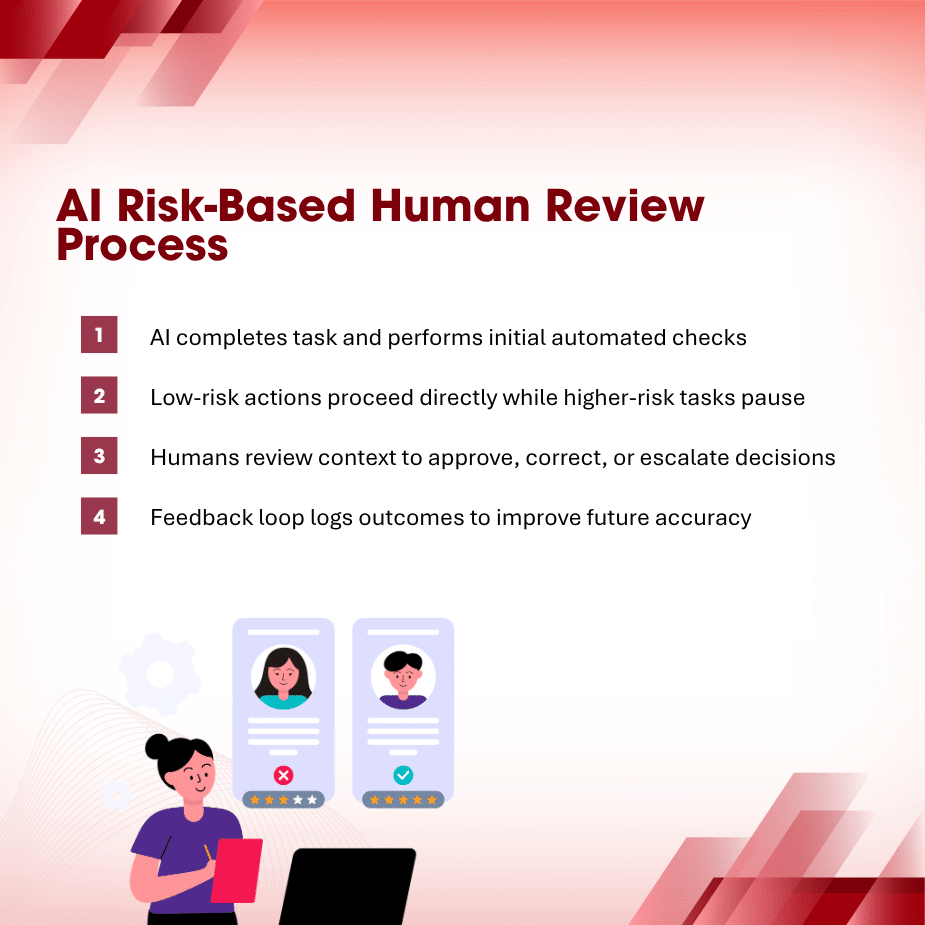
Companies can divide AI tasks into low-, medium-, and high-risk categories. Low-risk work may run automatically, while higher-risk actions can require review.
For example:
- Low risk: Sorting routine support tickets
- Medium risk: Drafting customer responses
- High risk: Approving financial or account decisions
This structure helps teams focus their attention where mistakes could cause greater harm.
Define Clear Escalation Rules
Employees need to know exactly when they should intervene. Businesses can create triggers based on low confidence scores, unusual activity, customer complaints, sensitive data, or high-value transactions.
Clear rules also reduce inconsistent decisions. As a result, employees can follow the same process when reviewing AI-generated outputs.
Measure Human and AI Performance
Companies should track error rates, review times, escalation rates, and repeated problems. These measures can show whether the HITL process actually reduces AI operational risk.
Teams can then adjust review thresholds when necessary. For example, they may automate more tasks when accuracy improves or increase oversight when new errors appear.
Train Reviewers for the Task
Human oversight works only when reviewers understand what they need to check. Therefore, businesses should provide training on workflows, quality standards, AI limitations, privacy requirements, and escalation procedures.
Reviewers should also know when not to approve an AI output. Clear training can make human review more consistent across teams.
Keep People Where AI Needs Judgment
Human-in-the-loop does not require businesses to choose between people and automation. Instead, it gives each one a clear role. AI can handle repetitive processing, while people review uncertain, sensitive, or high-impact cases.
A well-designed HITL process can help companies reduce AI operational risk while keeping automated workflows efficient. However, success depends on clear review points, trained people, strong quality controls, and regular performance checks.
SuperStaff provides outsourcing solutions that can support human-in-the-loop operations, data review, customer support, and other AI-assisted business processes. Businesses can build teams that combine human judgment with automated systems while maintaining consistent service and quality standards.
Companies looking to strengthen their AI-enabled operations can contact SuperStaff to discuss their outsourcing needs.