The Philippines already has a large digital services sector, a strong BPO industry, growing cloud use, and decades of experience in electronics manufacturing. Now, Pax Silica raises another question: where could this international technology partnership fit?
Pax Silica focuses on secure supply chains for technologies linked to artificial intelligence, semiconductors, critical minerals, advanced manufacturing, energy, and digital infrastructure. For the Philippines, participation could connect existing industries with new investment and technical work. However, membership alone will not determine the results.
The Philippine digital economy will still depend on local skills, infrastructure, business participation, investment decisions, and government policy. The key question is where the initiative could realistically add value and where existing gaps may limit its impact.
Where Pax Silica Meets the Philippine Digital Economy
The Philippine digital economy already includes businesses across digital services, e-commerce, IT, telecommunications, financial technology, and online platforms. Pax Silica could add another layer by connecting some of these capabilities with advanced technology supply chains.
1. Semiconductor and Electronics Operations
The Philippines already has an established semiconductor and electronics industry. Companies perform assembly, testing, packaging, and other production activities for global markets.
Pax Silica could support efforts to expand the country’s role in technology supply chains. However, moving into higher-value activities may require further investment in engineering, research, design, equipment, and specialized skills. The Philippines could build on its existing electronics industry while exploring new opportunities tied to Pax Silica and Philippine technology investment.
2. Artificial Intelligence Development
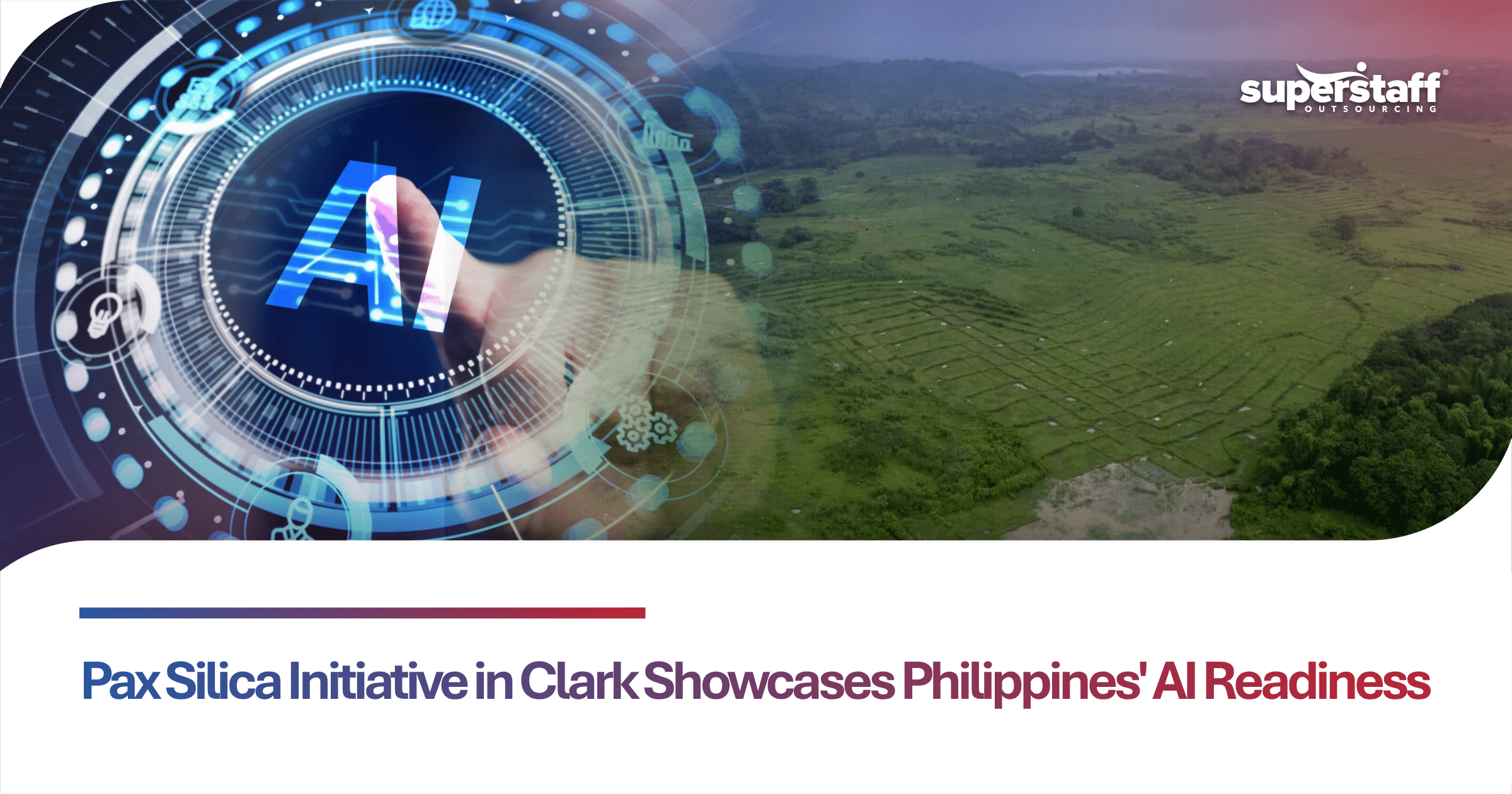
AI sits at the center of many Pax Silica discussions because advanced computing requires chips, data centers, software, energy, and skilled workers. The proposed AI and semiconductor hub in New Clark City could connect several of these requirements in one location.
Still, infrastructure alone cannot create an AI sector. Companies will also need developers, data professionals, engineers, cybersecurity specialists, and researchers who can support commercial projects.
3. Cloud and Data Infrastructure
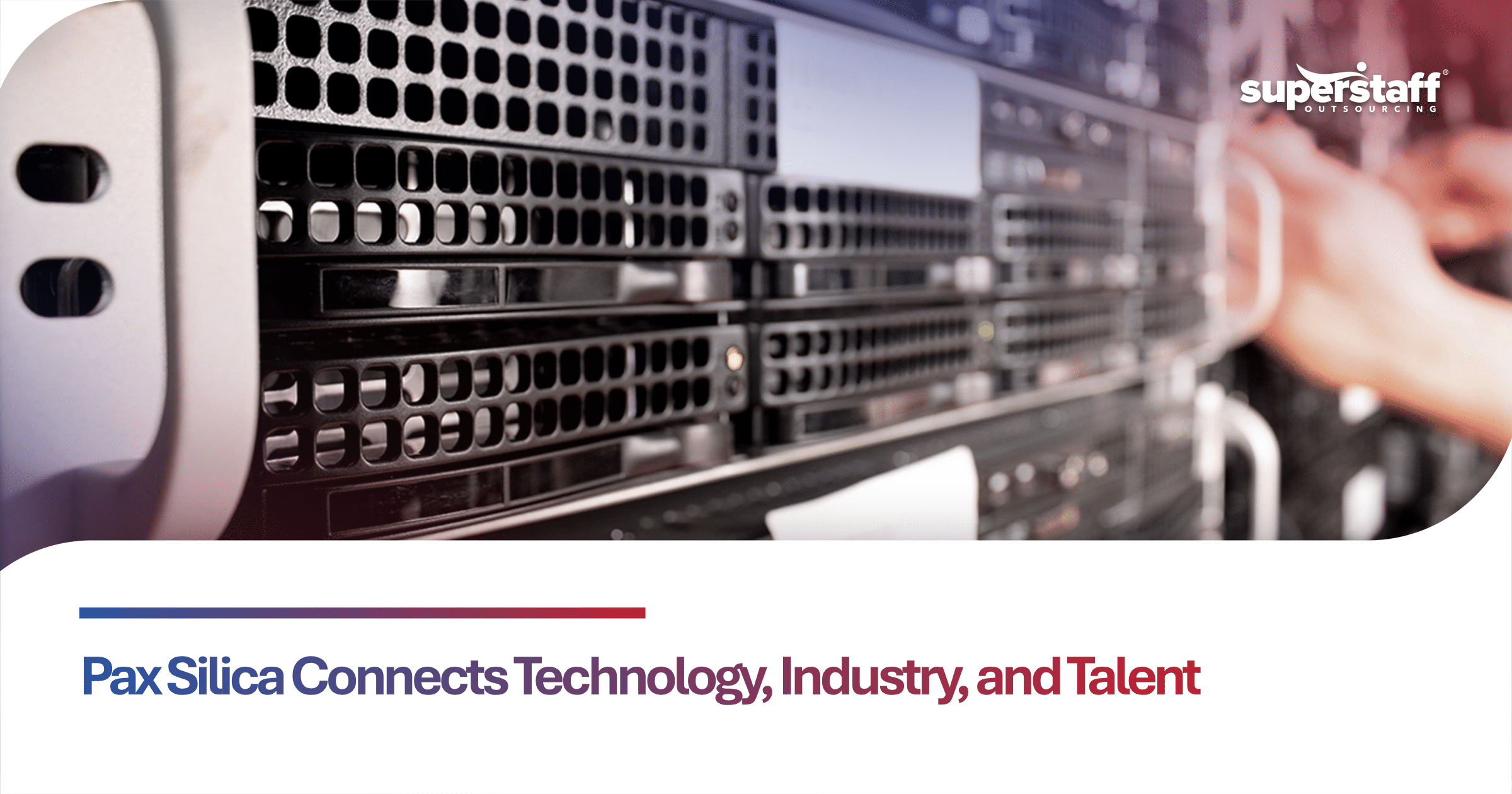
More AI activity could increase demand for data centers, cloud platforms, network capacity, and secure data storage. Consequently, digital infrastructure providers may find opportunities as technology investment expands.
However, data facilities also require reliable electricity, strong connectivity, cybersecurity, and clear rules. These requirements could affect how quickly new projects move from proposals to commercial operations.
4. Digital Business Services
Advanced technology companies still need payroll, finance, recruitment, customer support, procurement, and administrative services. The country’s BPO sector already provides many of these functions to international businesses.
As a result, Pax Silica could have an indirect effect beyond factories and technology laboratories. Outsourcing providers may support companies entering the Philippines without becoming part of semiconductor production itself. Businesses can outsource customer support and back-office operations while allowing internal teams to focus on core activities.
5. Cybersecurity Services
Secure technology supply chains require companies to protect data, networks, systems, and intellectual property. Therefore, cybersecurity could become another area where the Philippine digital economy connects with Pax Silica.
Local providers may support threat monitoring, network security, compliance, and incident response. At the same time, companies may need to strengthen their own controls to meet the requirements of international partners.
Which Industries Could See New Opportunities?
Pax Silica covers several connected industries rather than one specific sector. Its potential business impact could therefore extend across different parts of the economy.
1. IT and Software Services
Technology projects require software for operations, security, analytics, automation, and business management. Philippine IT companies could compete for some of this work if they meet technical and security requirements.
Software companies may also find opportunities outside the local market. Stronger links with international technology firms could provide access to new customers and business partnerships.
2. Business Process Outsourcing
BPO companies already manage processes for global businesses. As new technology companies establish operations, they may need local teams for finance, HR, technical support, customer operations, and other functions.
However, future demand may favor providers with deeper technical knowledge. BPO firms may need to develop services for semiconductor, AI, cybersecurity, and advanced manufacturing clients to meet these changing requirements.
3. Logistics and Supply Chain Services
Semiconductor and technology production depends on the reliable movement of materials, components, equipment, and finished products. Logistics companies could therefore support new industrial activity connected to Pax Silica.
At the same time, technology supply chains often require strict schedules and detailed tracking. Providers may need stronger digital systems and better supply chain visibility to meet these requirements.
4. Telecommunications
AI facilities, data centers, manufacturers, and digital service providers depend on reliable network connections. Telecom companies could see additional demand for high-capacity connectivity and business network services.
Better connectivity could also support companies outside the main technology hubs. Infrastructure improvements may create wider benefits if access expands across more locations.
5. Education and Workforce Training
New technology investment can create demand for skills that the labor market does not yet supply at scale. Universities, technical schools, and training providers may therefore play a larger economic role.
They could develop programs for AI, electronics, automation, cybersecurity, data engineering, and advanced manufacturing. However, employers need to communicate their actual skill requirements so training programs lead to real job opportunities.
What Could Limit the Economic Benefits?
The Philippine digital economy could gain from stronger technology investment, but several conditions will affect the results. Companies and policymakers need to consider these limits alongside possible opportunities.
1. Skills May Not Match New Jobs
A large workforce does not automatically mean companies can fill specialized positions. AI, semiconductor engineering, automation, and advanced cybersecurity roles require specific training.
The country may need to improve both education and practical industry training. Otherwise, employers could struggle to recruit locally for some higher-skilled positions.
2. Energy Requirements Could Increase
Data centers and advanced manufacturing facilities can require significant amounts of electricity. Reliable energy supply and pricing may therefore influence investment decisions.
Rapid development could also place additional pressure on local infrastructure. Energy planning will need to keep pace if large projects move forward.
3. Smaller Businesses May Face Entry Barriers
Large technology supply chains often require suppliers to meet strict standards for quality, cybersecurity, compliance, and financial stability. Smaller Philippine companies may find these requirements difficult or expensive.
Targeted training and supplier development programs could improve access. Local firms also need enough information to decide whether certification costs make commercial sense.
4. Investment Plans Can Change
Announcements do not always lead to immediate construction, hiring, or contracts. Financing, market demand, policy changes, and business decisions can alter project timelines.
Companies should avoid making large investments based only on projected activity. A phased approach allows businesses to respond as confirmed opportunities appear.
5. Benefits May Concentrate in Certain Areas
Technology investment may initially focus on Clark, major cities, and established industrial zones. Businesses and workers outside these locations may therefore see fewer direct benefits.
Better digital connectivity, regional training, and remote service delivery could widen participation. However, that outcome will require deliberate planning rather than happening automatically.
What Should Philippine Businesses Watch Next?
Pax Silica is still developing, so businesses should focus on specific signals instead of broad predictions. Actual projects, contracts, regulations, and hiring plans will provide better evidence of commercial impact.
Companies should watch for:
- Confirmed investment and construction timelines
- Semiconductor and AI projects entering operation
- Supplier and procurement requirements
- New cybersecurity and data standards
- Government incentives for technology investment
- University and industry training partnerships
- Demand for technical and outsourced services
- Infrastructure projects around major technology hubs
The Philippine digital economy will not change because of one agreement alone. Its impact will depend on how these developments connect with businesses already operating across technology, outsourcing, manufacturing, and digital services.
Companies should examine where they can provide practical value. A BPO company may find opportunities in technical support, while a logistics provider may focus on technology supply chains. An IT company may provide cybersecurity, software, or cloud support.
The proposed New Clark City industrial hub is one development worth watching as the Philippines seeks to attract high-value industries and major investments. Businesses should follow confirmed project details rather than assume every announcement will translate into immediate contracts or jobs.
Build Digital Capacity Around Real Opportunities
The Philippine digital economy already has strengths in BPO, IT services, electronics, telecommunications, and digital operations. Pax Silica could connect some of these industries with new semiconductor, AI, infrastructure, and advanced manufacturing investments.
However, the outcome will depend on execution. Businesses need the right talent, systems, security controls, infrastructure, and commercial opportunities before potential benefits become measurable results.
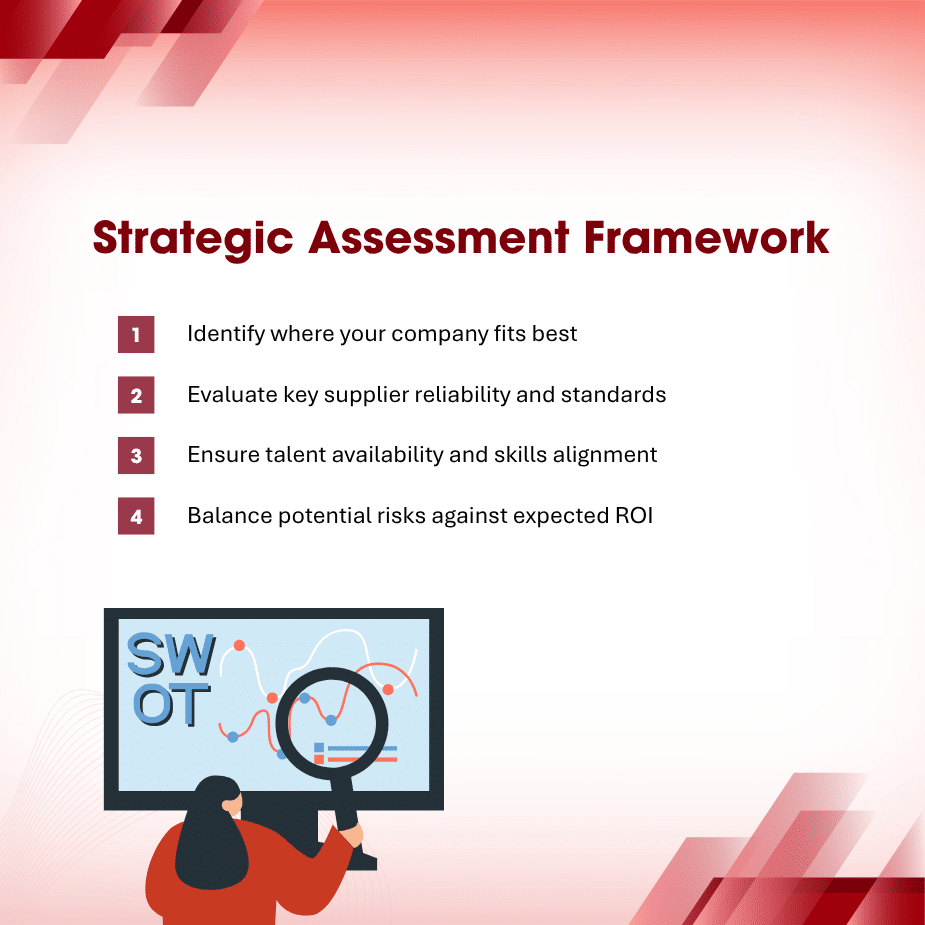
Companies can prepare by identifying the services they already deliver well, assessing skill gaps, and deciding whether new technology projects fit their capabilities. This approach helps businesses prepare for credible opportunities without committing resources based on uncertain forecasts.
SuperStaff supports companies that need scalable outsourcing solutions as their operations expand or change. From customer service and back-office functions to technical and knowledge-based support, businesses can build teams around actual demand instead of projected growth. Companies planning to expand their operations can discuss their outsourcing needs with SuperStaff.